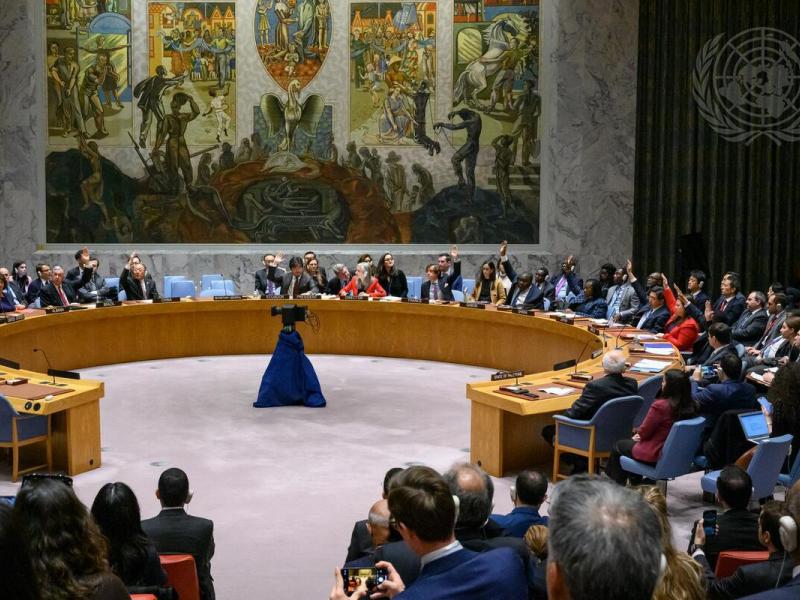
french national day: France reaffirms support for peace efforts in DRC at UN security council
- Politics
On the occasion of France’s National Day, the French ambassador to the Democratic Republic of the Congo, Rémi Maréchaux, delivered a speech on Tuesday, July 14, 2026, reaffirming France’s support for peace initiatives in eastern DRC, strengthening Franco-Congolese cooperation, and promoting multilateralism.
In his address, delivered at his residence in the presence of numerous guests and dignitaries, the French diplomat emphasized that France was not celebrating the anniversary of its independence or President Emmanuel Macron’s tenure. Instead, it was commemorating the 1789 French Revolution and its enduring commitment to the core values of liberty, equality, and fraternity.
Discussing the security situation in eastern DRC, Rémi Maréchaux reiterated France’s commitment within the United Nations Security Council to achieving a lasting resolution to the conflict. He highlighted France’s active role in shaping key UN resolutions aimed at restoring peace in the region.
“The Democratic Republic of the Congo today faces immense challenges—particularly a prolonged war in its eastern provinces. France has been at the forefront of Security Council efforts, contributing to the adoption of critical resolutions. Resolution 2773, unanimously adopted, sets out the framework for resolving the conflict: the M23 must cease hostilities, withdraw its forces, and dismantle illegitimate parallel administrations. Rwanda must halt its support for the M23 and withdraw its troops from DRC territory,” declared the French ambassador.
He also referenced Resolutions 2808, which extended the MONUSCO mandate by one year, and 2825 (2026), which renewed the sanctions regime against the DRC until July 1, 2027. This resolution also extends the mandate of the Expert Group tasked with monitoring sanctions implementation.
“Two additional resolutions enable MONUSCO to support the implementation of the Washington Agreement and renew sanctions against armed groups, along with the Expert Group’s mandate—critical for documenting the situation on the ground. France commends and supports mediation efforts led by the United States, Qatar, and the African Union. As President Tshisekedi reiterated on June 30, diplomacy is not a sign of weakness. A negotiated solution must uphold the DRC’s sovereignty and territorial integrity,” emphasized the French ambassador.
Beyond multilateral engagement, Rémi Maréchaux underscored the strengthening of bilateral cooperation between Paris and Kinshasa, particularly in security matters.
“Our multilateral commitment complements bilateral efforts to bolster state authority and capabilities through police and military cooperation. In March, I visited Kisangani to oversee the regeneration of a Jungle Brigade battalion by French instructors. A second battalion will be regenerated in October.”
“The DRC is not only making a historic return to the international stage—it is also playing a pivotal role in global governance. For the first time in 35 years, the DRC holds a seat on the UN Security Council, which it currently chairs. It is also a member of the UN Human Rights Council and chairs the International Conference on the Great Lakes Region. Additionally, its leadership in the Francophonie is highlighted by the candidacy of Juliana Lumumba for Secretary-General of the International Organisation of La Francophonie,” noted the ambassador.
Maréchaux described these developments as positive not just for the DRC but for the world. In an era where international relations are increasingly defined by power dynamics, he championed multilateralism as the most effective response to global challenges.
“Amid today’s brutalization of international relations, France believes the answer lies in inclusive multilateralism—one that integrates Africa more deeply into global governance. The DRC’s return to the international stage comes at a time when, despite ongoing crises, the country is gaining renewed attention. This is driven by a growing recognition of its potential and strategic role in the global energy transition and the fight against climate change,” he stated.”
France’s stance aligns with the current diplomatic landscape, marked by the Washington Peace Agreement—mediated by the United States—between the DRC and Rwanda. The agreement outlines de-escalation measures, the gradual withdrawal of Rwandan forces from Congolese territory, and the neutralization of armed groups in eastern DRC, including the FDLR, which Kigali views as a security threat. While widely praised, the security situation in eastern DRC remains dire.
Meanwhile, the Doha Process, facilitated by Qatar, aims to foster dialogue between the Congolese government and the M23 rebellion. However, progress has been limited. On the ground, the M23—backed by Kinshasa, the UN, and international partners—continues to control key cities like Goma and Bukavu, as well as vast areas in North Kivu and South Kivu. Fighting persists in several zones, and diplomatic initiatives struggle to yield tangible results, underscoring the persistent gap between promises and reality.
Clément Muamba
Related posts
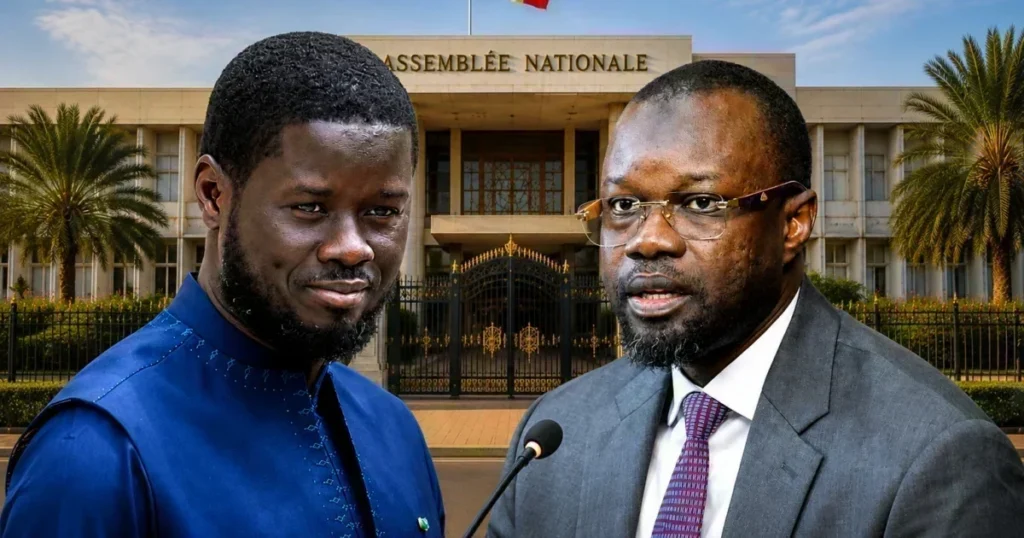
Diomaye’s allies defy parliament: what’s driving the escalating political standoff in Senegal
The refusal of senior presidential advisor Demba Dieng to appear before Senegal’s parliamentary inquiry commission has...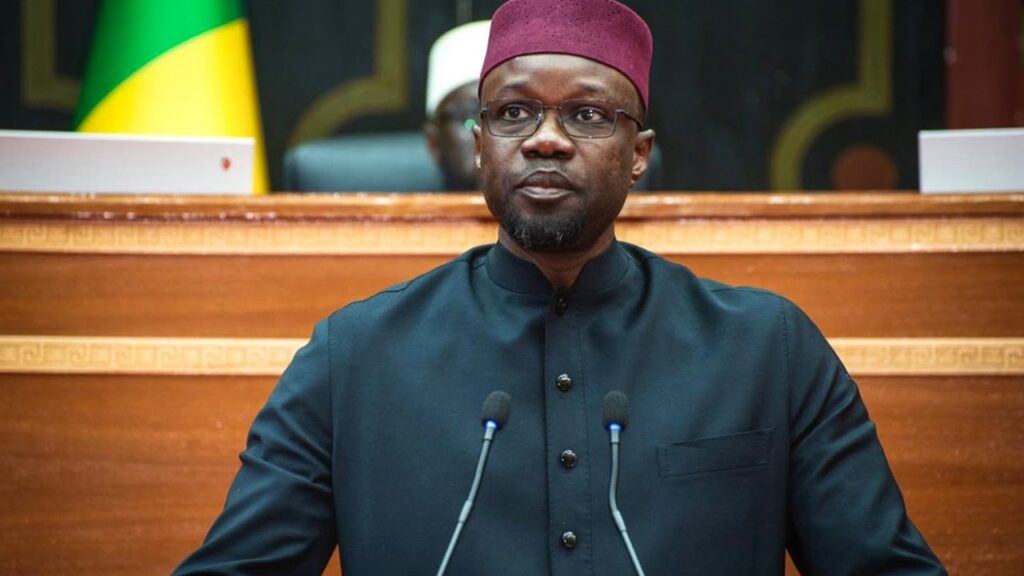
Senegal’s constitutional council vs Pastef: escalating political showdown and public outrage
Pastef Ousmane Sonko Bassirou Diomaye Faye The Senegalese Constitutional Council’s repeated rulings against the Pastef party...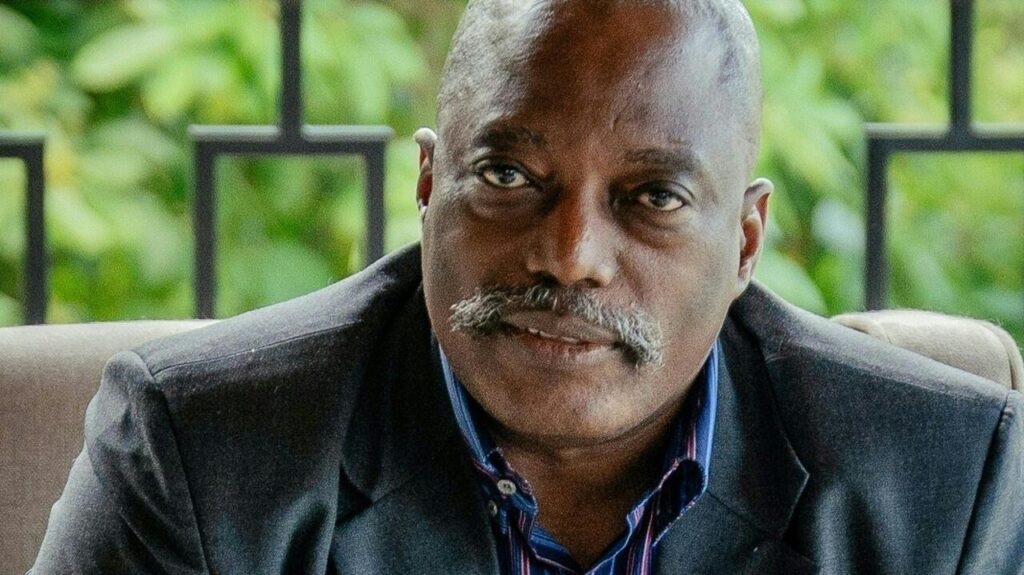
The decisive shift in Congo: Joseph Kabila takes charge of the FRN rebellion
Le grand invité Afrique RDC: «prendre la tête de la rébellion permet à Joseph Kabila de...