
Senegal’s leadership reshuffle: Diomaye and Sonko take decisive action
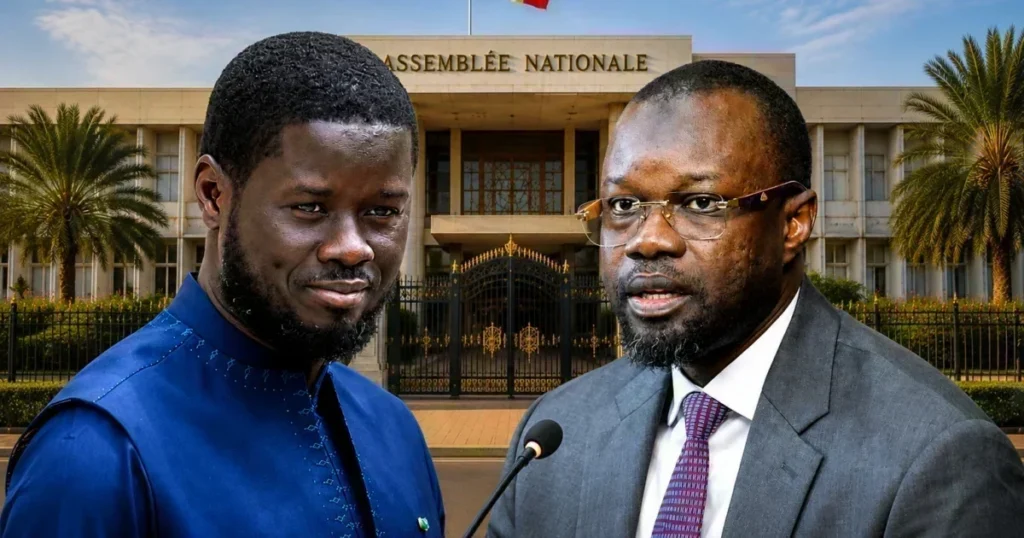
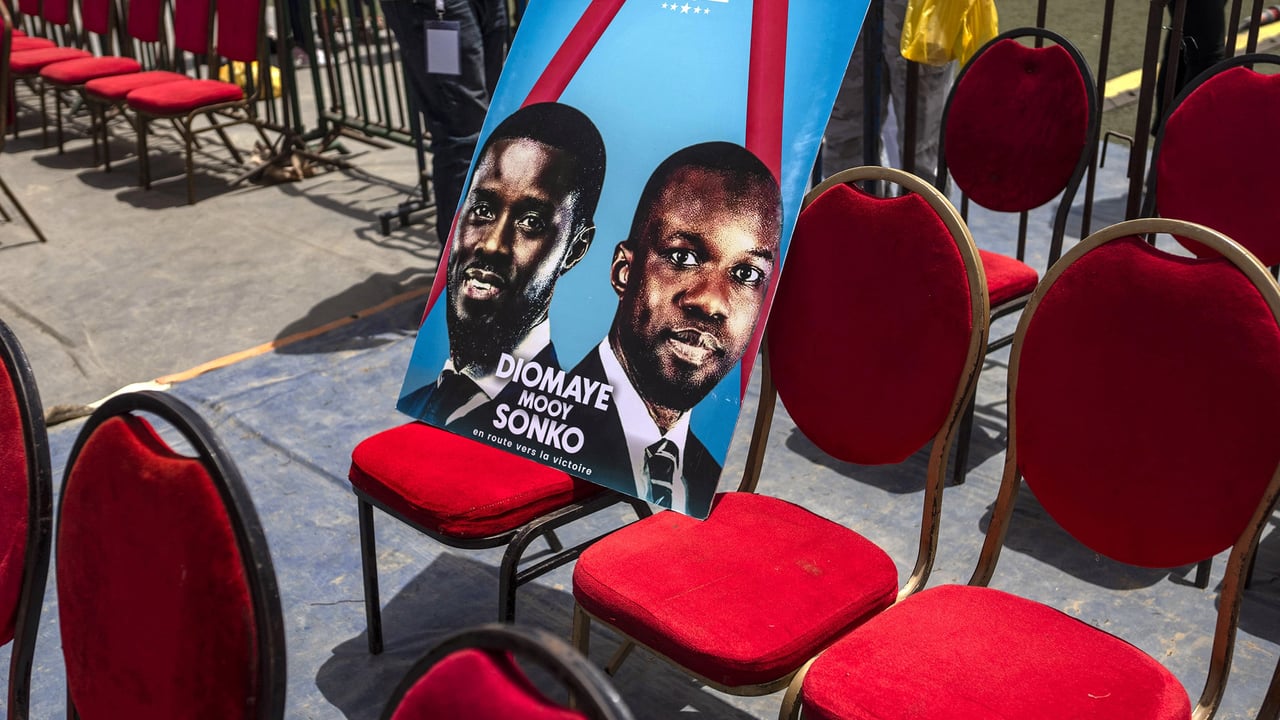
In a sweeping move to strengthen their political base, President Bassirou Diomaye Faye and opposition leader Ousmane Sonko have initiated a major housecleaning within their ranks. The reshuffle involves multiple resignations, dismissals, and expulsions, signaling a bold attempt to consolidate control and eliminate dissent.
Unprecedented purge targets disloyal elements
Sources close to the administration confirm that several high-profile figures have been removed from key positions. The shake-up, described as the most significant since the new government took office, reflects a determination to eliminate any perceived threats to the leadership’s authority.
Key departures shake the political landscape
The purge has already claimed prominent names across government and party structures. Among those affected:
- Senior cabinet members who were seen as obstacles to the new administration’s agenda
- Party officials accused of undermining cohesion within the ruling party
- Allies of the past regime who failed to align with the current leadership’s vision
The dismissals span multiple sectors, including finance, defense, and foreign affairs, indicating the breadth of the operation. While some departures were billed as voluntary resignations, insiders suggest pressure played a role in several cases.
Strategic implications of the shake-up
Political analysts warn that the abrupt removals could have far-reaching consequences. The consolidations may strengthen the leadership’s grip on power but risk alienating influential factions within the coalition. The timing, coinciding with early legislative sessions, suggests a preemptive strike against potential rivals.
Critics argue that the purge, while framed as a bid for efficiency, smacks of political opportunism. Supporters, however, view it as a necessary step to purge remnants of the old guard and usher in a new era of governance.
Public and institutional reactions
The moves have sparked mixed reactions across Senegal. Civil society groups have expressed concern over the lack of transparency, while business leaders cautiously welcome the streamlined decision-making process. Meanwhile, international observers are monitoring the situation closely, particularly regarding compliance with democratic norms.
Within the ruling party, loyalists defend the strategy as essential for maintaining stability and advancing the government’s reform agenda. Opposition voices, however, decry the tactics as heavy-handed, warning of deeper divisions ahead.
What’s next for Senegal’s political scene?
With the dust still settling, all eyes are on the next phase of the leadership’s strategy. Will the purge continue, or has the administration achieved its immediate objectives? The coming weeks will reveal whether this bold gamble pays off in terms of governance and public trust.