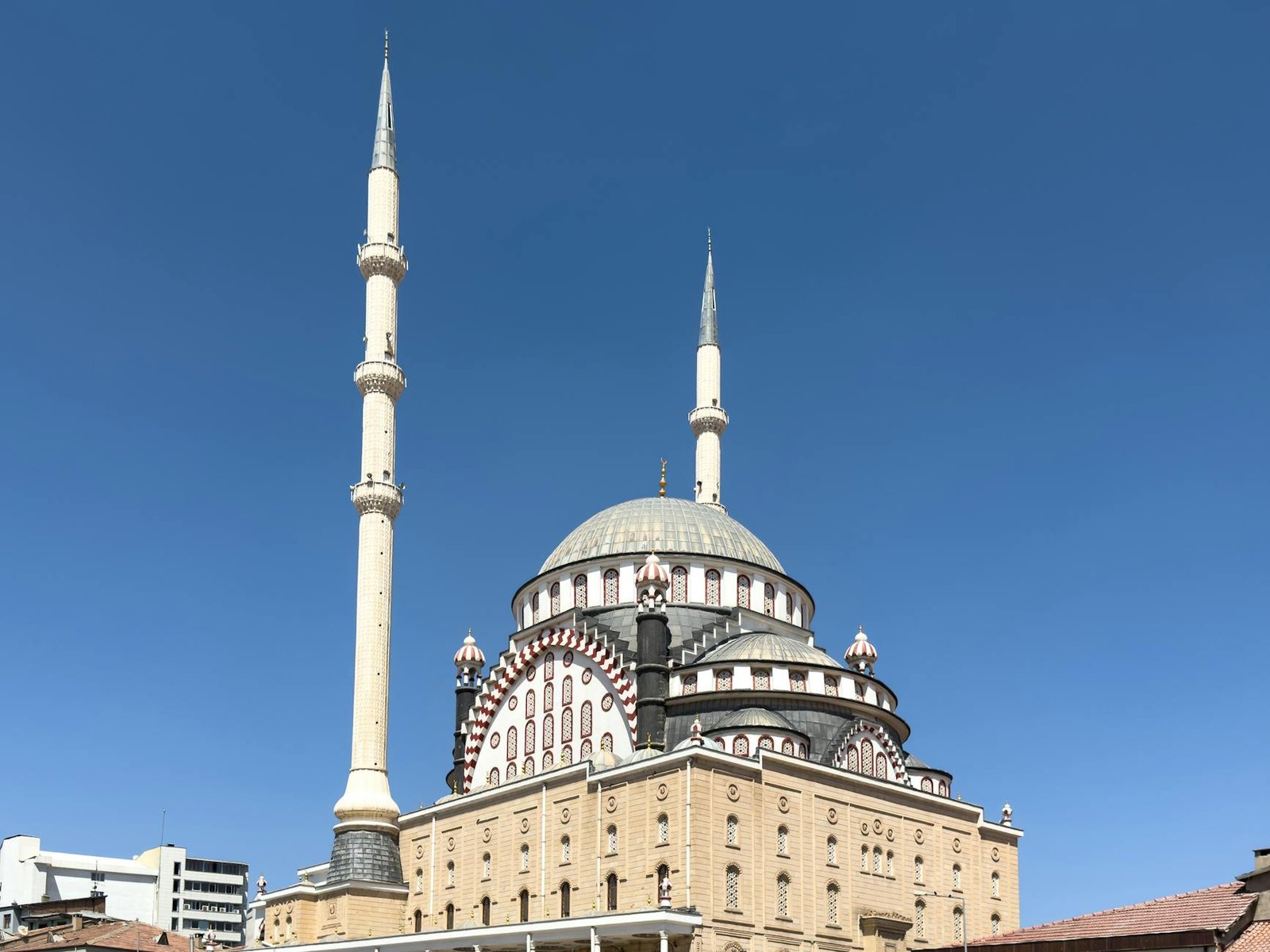
The grand Sunnite mosque of Ouagadougou, one of the most visited Islamic prayer sites in the Burkina Faso capital, has been sealed off by police forces since May 29. The transitional government led by Captain Ibrahim Traoré enforced an indefinite closure under the pretext of preventing potential public disturbances. Security personnel now maintain a constant presence around the premises, blocking all access to the facility.
The decision arrives at a critical moment in the Islamic calendar, just before the Eid al-Adha celebrations locally known as Tabaski. On the eve of the holiday, hundreds of worshippers gathered outside the mosque to demand information about their missing imam, who vanished several days earlier. This unusual display of public mobilization—rare in a nation where civic freedoms have significantly eroded since the September 2022 coup—prompted swift government intervention.
Week-long unrest follows imam’s disappearance
The mosque’s closure is not an isolated incident but the climax of a tense week-long saga. Community members have mobilized relentlessly, seeking answers about their spiritual leader’s fate. Authorities have provided no official details regarding the imam’s whereabouts, and no statement has confirmed whether security forces detained him.
Over recent months, Burkina Faso has seen a troubling pattern of disappearances targeting outspoken figures. Judges, media professionals, traditional leaders, and civil society activists have faced military requisition or prolonged detention under expanded legal frameworks, justified by the transitional regime’s counterterrorism efforts against armed Islamist factions.
Strategic timing raises political questions
The timing of the closure has drawn scrutiny. By shutting down a mosque of such significance mere hours before the country’s largest Muslim festival, authorities appear to send a strong message to a community that holds both demographic and symbolic importance in Burkina Faso—a nation where Islam is the dominant faith. The grand Sunnite mosque is far more than a structure; it serves as a cornerstone of Burkina Faso’s Sunni Muslim organization, particularly within the Sunni Movement, and typically draws thousands of worshippers for major prayers.
The move underscores the junta’s struggle to balance internal stability while battling armed insurgencies across multiple regions. Since seizing power in 2022, the military leadership has repeatedly signaled a hardline stance against internal dissent, whether from civil society, suspended political parties, or now, religious institutions. Such a closure remains an exceptional—and potentially inflammatory—measure that risks fueling perceptions of encroachment on religious liberties.
Religious harmony under strain
Burkina Faso has long been recognized for its model of interfaith coexistence among Muslims, Christians, and practitioners of traditional beliefs. This delicate balance, already strained by jihadist violence that frequently targets houses of worship across faiths, now faces further pressure from a direct confrontation between the central government and the organized Sunni community in the capital.
Observers of Burkina Faso’s transition period emphasize that the coming days will be crucial. A prompt reopening of the mosque, clear disclosure regarding the imam’s status, and potential dialogue with Sunni leaders could serve as gestures of reconciliation. Conversely, prolonging the security blockade risks deepening divisions within a community that has, until now, remained largely detached from public dissent against the regime. Worshippers continue to demand answers regarding their imam’s fate.