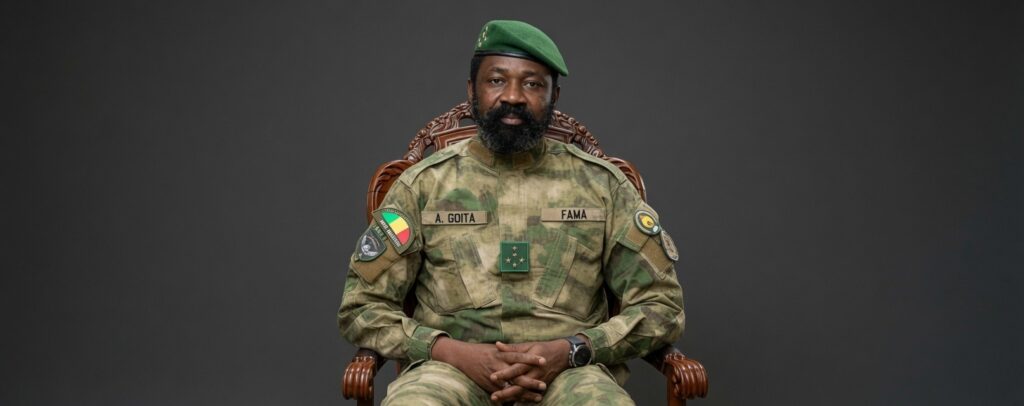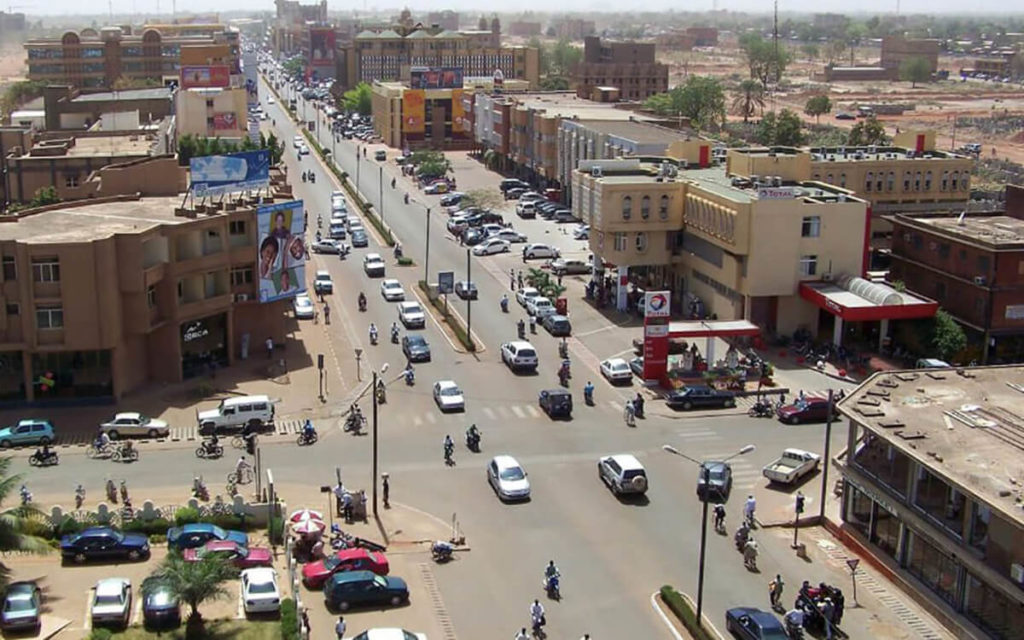
The government of Burkina Faso has adopted a sweeping reform to redefine urban classification across the nation. During a ministerial council meeting led by Captain Ibrahim Traoré, Head of State, a landmark decree was approved to modernize the criteria for classifying localities as cities.
The move comes amid rapid urbanization, shifting territorial dynamics, and pressing challenges spanning security, demographics, and socio-economic development that are reshaping Burkina Faso’s urban landscape.
What now defines a city in Burkina Faso?
Under the new decree, a locality qualifies as a city if it meets the following updated standards within a fully operational municipality:
- A continuously built-up settlement;
- A minimum population of 15,000 residents;
- Reliable access to potable water;
- Consistent electricity supply;
- A functioning transportation network;
- A dominant presence of secondary and tertiary economic activities.
Additionally, all provincial capitals and municipal headquarters are automatically recognized as cities, regardless of population size.
Three-tier urban classification system
The reform introduces a structured classification of urban centers into three distinct categories:
- Metropolitan cities — major urban hubs driving national growth;
- Medium-sized cities — regional centers supporting balanced development;
- Small cities — emerging urban nodes fostering local integration.
This tiered system supports tailored public policies in urban planning, infrastructure development, and territorial governance.
A response to outdated urban policies
The decree replaces an obsolete definition that had remained unchanged since the 2008 National Housing and Urban Development Policy. By aligning urban classification with current realities, the government aims to equip state agencies and local authorities with a modernized framework for sustainable urban management and strategic territorial planning.