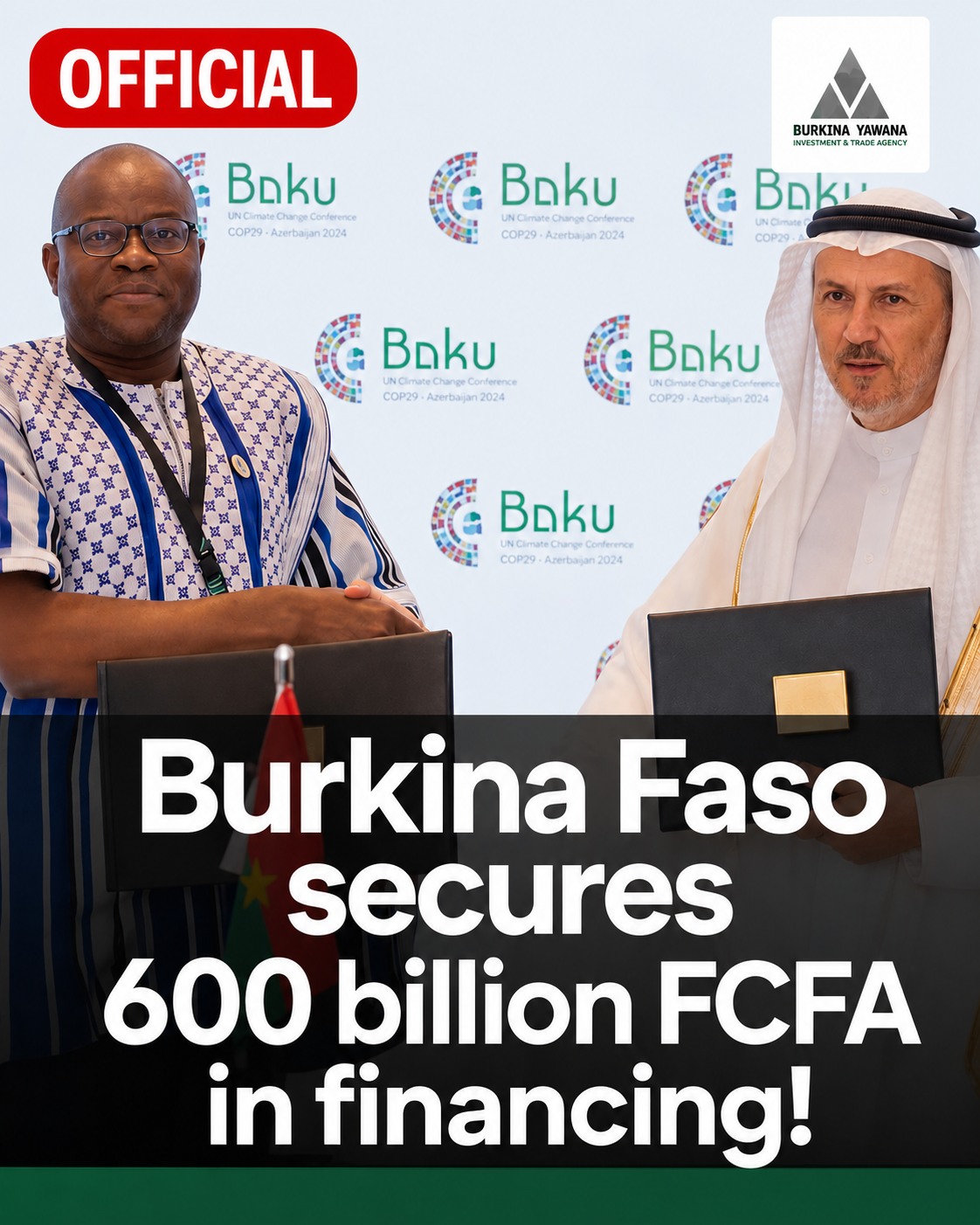
The signing of a new financing agreement between Burkina Faso and the International Islamic Trade Finance Corporation (ITFC) in Baku underscores a critical moment for the nation’s economy. Under this accord, funds will be allocated to essential sectors such as energy, agriculture, and small and medium-sized enterprises (SMEs), providing much-needed liquidity to a struggling market.
While the agreement may not have garnered significant public attention, its impact on Burkina Faso’s economic stability is undeniable. Without this financial infusion, maintaining adequate fertilizer supplies for agricultural cycles or stabilizing fuel prices would have proven exceedingly difficult. The deal serves as a lifeline, yet it also exposes the fragility of the country’s financial autonomy.
Contradictions in official rhetoric
For months, government officials and public figures have repeatedly emphasized Burkina Faso’s capacity for self-reliance, championing the slogan « no external credit. » This narrative of economic independence resonates with many citizens, particularly in a context where debt aversion is widespread. However, the reality of such financing deals raises pressing questions about the feasibility of this approach.
How can a nation that publicly rejects foreign borrowing enter into substantial financial agreements thousands of kilometers from its capital? The disconnect between rhetoric and action highlights a growing disconnect between policymakers and the economic pressures facing ordinary Burkinabè.
The risks of ignoring financial dependence
The illusion of a « zero-debt » economy may offer temporary reassurance, but it also perpetuates a dangerous oversight. By downplaying the nation’s reliance on external financing, authorities risk leaving the population unprepared for the long-term consequences of mounting debt obligations. The potential consequences are stark: Burkina Faso could find itself trapped in a cycle of debt, despite the bold claims of financial sovereignty.
Economic realities cannot be overridden by political posturing. While self-financing remains an admirable goal, the immediate economic well-being of Burkina Faso’s citizens continues to hinge on international agreements—however discreetly they may be framed.