The recent surge in Burkina Faso’s strategic and financial partnerships with Russia, under the guise of breaking free from colonial legacies, has begun to reveal a troubling paradox. While the rhetoric of national sovereignty resonates deeply with a population longing for emancipation from former colonial powers, the reality unfolding in Ouagadougou suggests a shift rather than a break from external control.
From colonial shadows to Russian embrace
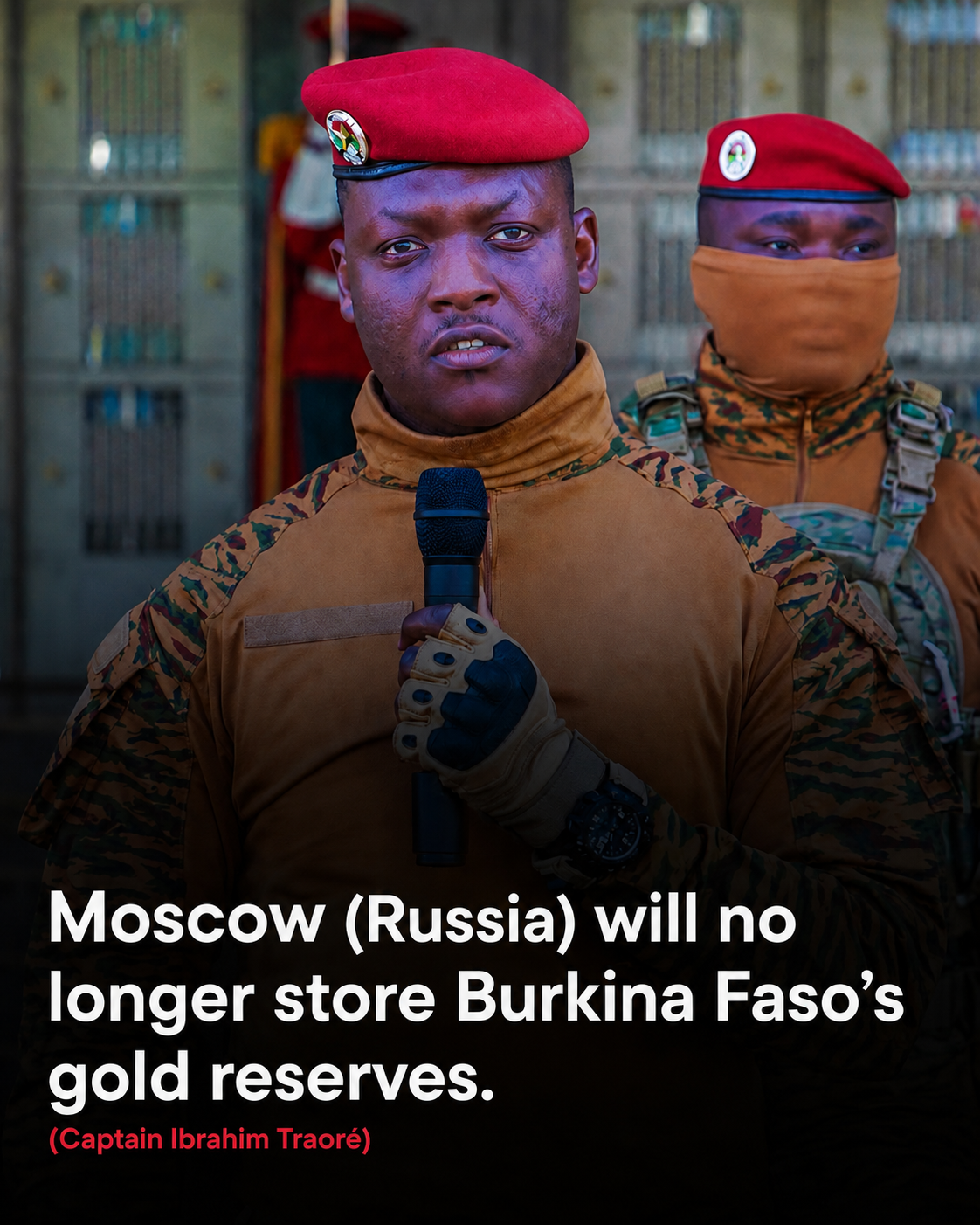
Since Captain Ibrahim Traoré’s transitional government took charge, the narrative has been clear: reclaiming Burkina Faso’s autonomy. This message has struck a chord with many, particularly the youth, who see it as a long-overdue rejection of France’s historical dominance. Yet, the expanding and unconditional alignment with Russia is casting doubt on whether this alliance truly fosters independence or merely replaces one form of dependency with another.
The economic and military concessions being made to Moscow are raising serious questions. Far from achieving self-reliance, Burkina Faso appears to be trading one set of constraints for another, with far-reaching consequences for its future.
A gold rush with hidden costs
Burkina Faso’s gold sector, which accounts for nearly 80% of the country’s export earnings, has become the latest bargaining chip in this evolving relationship. Discussions are underway to formalize agreements that would place the management and security of these resources under Russian oversight. While proponents argue this is a move to shield gold reserves from Western influence, critics warn it is a dangerous gamble that could further undermine the country’s economic sovereignty.
Entrusting a foreign power with the control of a nation’s primary revenue stream is not a pathway to independence. Instead, it risks turning Burkina Faso into a mere supplier of raw materials for a distant capital, with little say in pricing, processing, or long-term benefits. The irony is stark: the very resources meant to fuel national development could end up financing someone else’s agenda.
Security outsourcing: a high-stakes gamble
The military dimension of this partnership has also raised eyebrows. The deployment of Russian instructors and paramilitary forces—often associated with entities like the Africa Corps—was supposed to tip the balance in Burkina Faso’s favor against the growing threat of armed groups. Yet, the results have been underwhelming, with violent attacks persisting despite the foreign presence.
Worse still, the financial burden of this arrangement is unsustainable for a country already grappling with economic instability. By tying its security to Russia’s geopolitical priorities, Ouagadougou risks leaving itself vulnerable. If Moscow decides to recalibrate its commitments or impose stricter financial demands, Burkina Faso may find itself with little leverage to negotiate.
From one overlord to another?
The most glaring contradiction lies in the government’s own logic. How can it credibly reject Western paternalism while embracing an alternative that offers no real guarantees of autonomy? Russia’s engagement in Africa is driven by strategic interests: securing access to critical resources, circumventing international sanctions, and expanding its diplomatic influence. It is not a partnership rooted in solidarity or shared liberation.
The Burkina Faso government’s pivot to Russia may feel like a bold move against colonialism, but it risks replacing one form of subjugation with another. Sovereignty is not achieved by swapping masters; it is built through self-determination, robust institutions, and economic resilience.
Diplomatic isolation: a self-inflicted wound
This exclusive relationship with Russia is also isolating Burkina Faso on the regional and global stage. By distancing itself from traditional donors and straining ties with neighboring countries, the transitional government is narrowing its diplomatic options. A truly sovereign nation diversifies its alliances to balance power dynamics—not by locking itself into a one-sided arrangement where it plays the perpetual supplicant.
For the people of Burkina Faso, the reckoning may come sooner than expected. True independence is measured not by the volume of anti-Western rhetoric, but by the ability to shape one’s destiny without seeking approval from Paris, Washington, or Moscow. By mortgaging its gold and outsourcing its security, the current regime risks mortgaging the country’s future for decades to come.