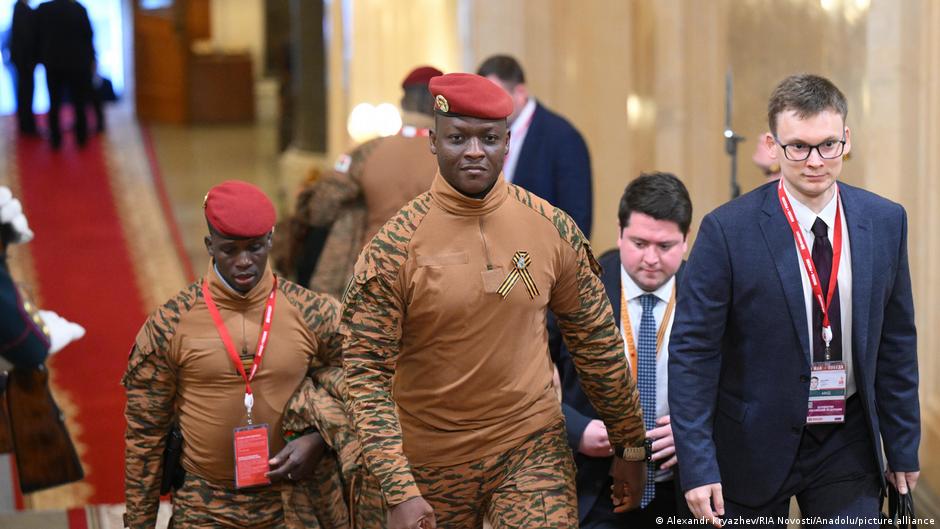
In late September 2022, Captain Ibrahim Traoré assumed leadership of Burkina Faso’s military junta, initially promising a temporary stewardship. Yet, over time, his stance has hardened, with repression intensifying while invoking the legacy of revolutionary icon Thomas Sankara.
This paradox has fueled intense debate about the nation’s trajectory. The recent adoption of the Charte de la Révolution progressiste populaire (RPP)—ratified unanimously by the transitional legislature—has only deepened the divide. Replacing the 2024 Charte de la Transition, this new framework now shapes the country’s political roadmap, though critics argue its implementation lacks democratic safeguards.
Human rights advocates have not remained silent. Amnesty International has urgently called for the reversal of the military government’s decision to dissolve over 100 associations, including prominent human rights groups—a move seen as a suppression of civic freedoms.
As Burkina Faso marks the halfway point of its participation in the Alliance des États du Sahel (launched September 2023), questions persist about regional stability and governance. Is the RPP a genuine step toward progress or merely an illusion masking authoritarian consolidation?
These pressing issues take center stage in today’s discussion. The panel, composed of leading analysts and civil society figures, will dissect:
- Teehl Loé Konaté: Project coordinator and panafrican analyst specializing in international relations, alongside his role as secretary-general of Kamita—a think tank focused on culture, history, and panafrican foresight.
- Paul Amegakpo: Founder and president of the Tamberma Institute for Governance (ITG).
- Mayra Djibrine: Chair of the Sahel Democrats Alliance.