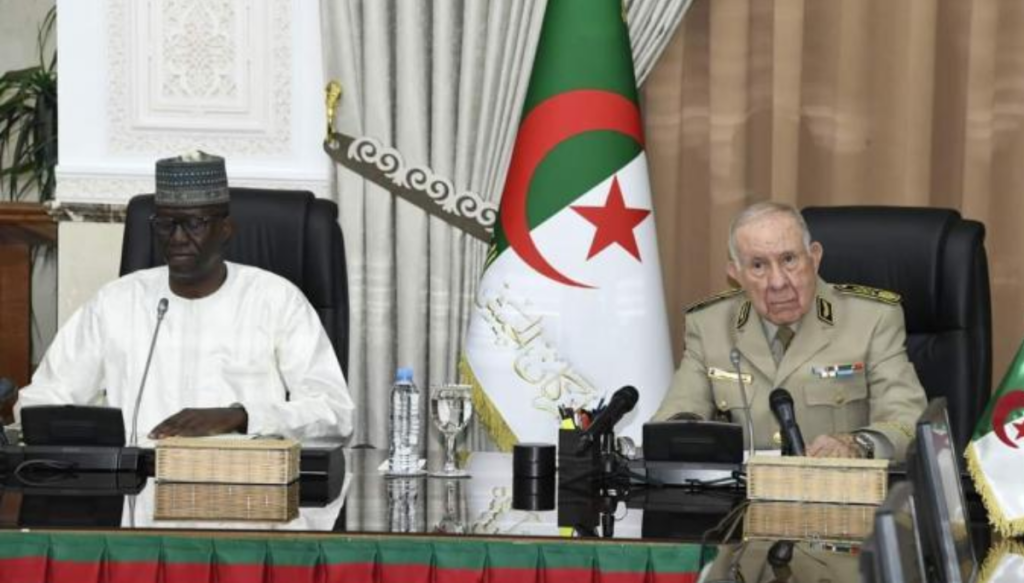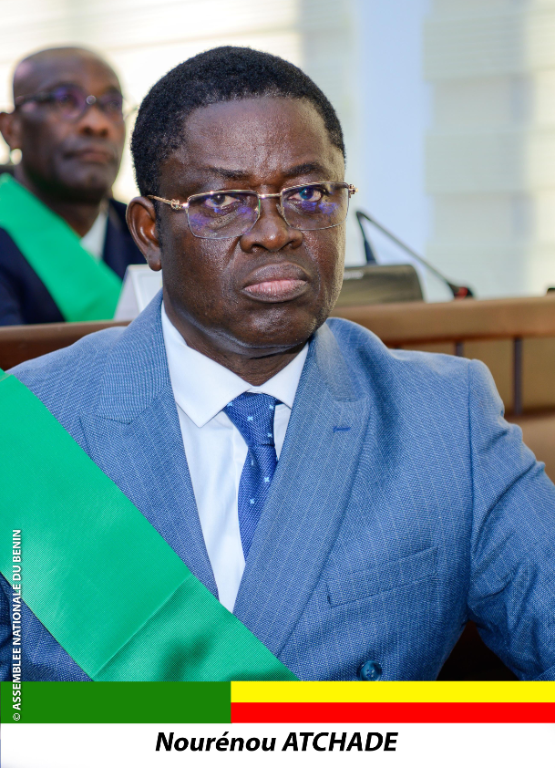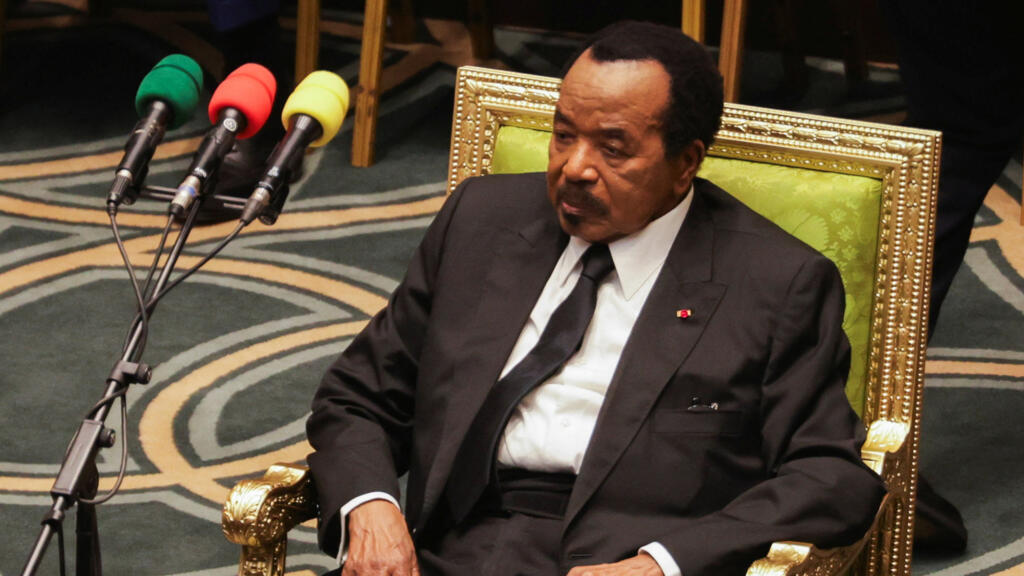
Cameroon has taken a decisive step toward revitalizing its judicial system by appointing new members to the Supreme Council of the Judiciary, a move long awaited by legal professionals and citizens alike.
The fourteen newly selected individuals—announced on June 2—will serve a five-year term, succeeding a leadership that had not convened in nearly six years. This prolonged inactivity has left the judiciary in a state of paralysis, with critical functions grinding to a halt. The Council, chaired by the President of the Republic, plays a pivotal role in overseeing judicial appointments, career progression, and institutional governance.
Reviving a stagnant justice system
The absence of Council meetings has had far-reaching consequences. For years, hundreds of newly trained judges have been unable to assume their roles, their careers frozen in limbo. Meanwhile, promotions and transfers within the judiciary have stalled, leaving both magistrates and the public frustrated. The appointment of these fourteen members signals the first tangible effort to break this deadlock and restore momentum to Cameroon’s legal framework.
The Council’s reactivation could pave the way for broader administrative reforms, including long-overdue government reshuffles and the filling of vacant high-level positions—such as the Vice Presidency, created in April but still unoccupied.
What’s next for Cameroon’s judiciary?
Legal experts and stakeholders are cautiously optimistic, hoping this move will spark a chain reaction of progress. The Council’s first order of business is expected to be the integration of waiting magistrates and the resumption of career management processes. However, the true test will lie in whether these appointments lead to tangible, sustained improvements in the justice system’s efficiency and credibility.