
historic meeting sets stage for border reopening
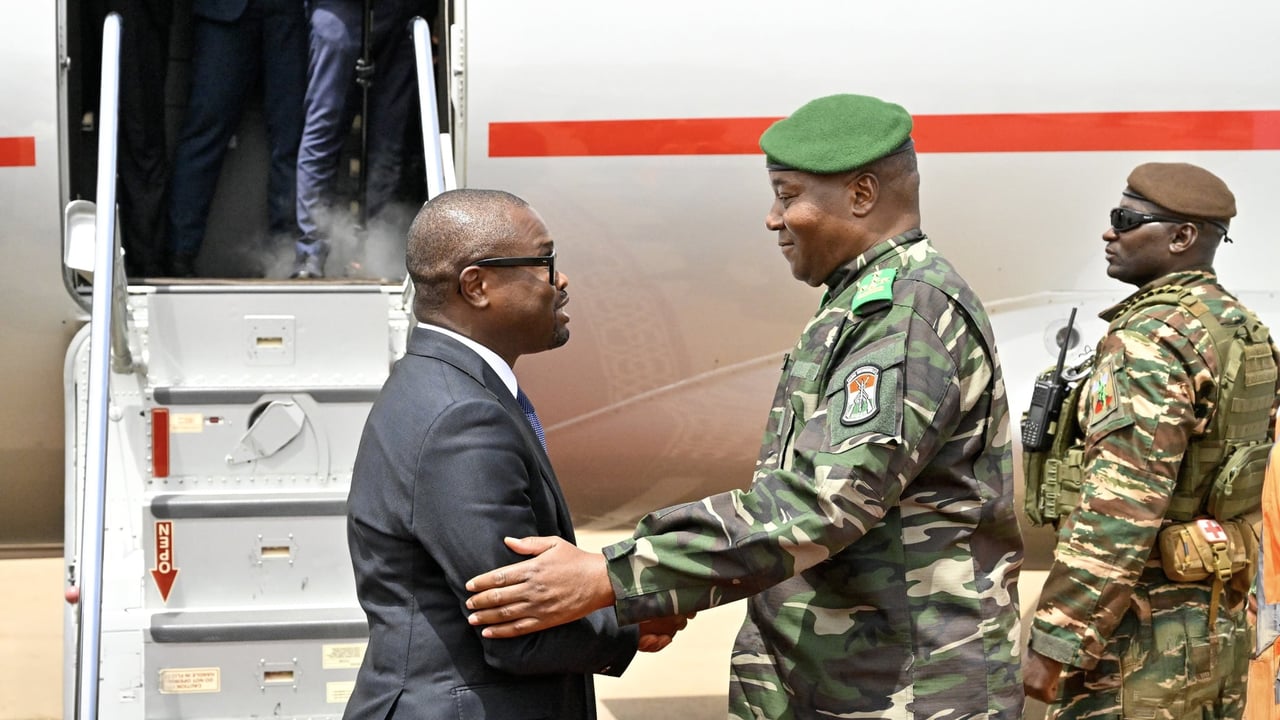
In a landmark development for West African diplomacy, Bénin’s Minister of Foreign Affairs, Romuald Wadagni, and Niger’s transitional leader, Abdourahamane Tiani, concluded a high-stakes meeting in Niamey on Monday, June 2, 2026. The two officials formally committed to fast-tracking the reopening of their nations’ shared border, a critical step toward restoring economic and social ties that have been strained for years.
diplomatic breakthrough after years of tensions
The announcement marks a significant shift in bilateral relations, following prolonged border closures that disrupted trade flows, severed family connections, and weakened regional cooperation. Both leaders emphasized the urgent need to rebuild trust and revitalize cross-border commerce during their discussions at the presidential palace.
Wadagni underscored how the border’s closure had inflicted economic hardship on communities on both sides, particularly small-scale traders and farmers who rely on seamless movement of goods. Tiani, for his part, highlighted the strategic importance of restoring stability in the Sahel region, where security and economic integration are intertwined.
roadmap to reopening: safety and logistics in focus
While the decision to reopen the border was welcomed by local populations and regional partners, both ministers acknowledged that careful planning is essential. Security concerns remain a priority, given the volatile security landscape in the Sahel. They outlined a phased approach, starting with enhanced patrols and joint border management initiatives.
The leaders also agreed to establish a technical working group to address logistical challenges, including customs procedures, infrastructure upgrades, and health protocols for travelers. The goal is to ensure a smooth and sustainable reopening within the next six months.
economic and social implications
Analysts predict that reopening the border could inject renewed dynamism into the economies of both countries. The Bénin–Niger corridor is a vital trade artery, facilitating the movement of agricultural products, manufactured goods, and energy resources. Restoring this link is expected to boost regional trade volumes, create jobs, and strengthen food security in landlocked Niger.
Beyond economics, the border’s reopening holds profound social significance. Families separated by the closure can finally reunite, and students and workers will regain access to educational and employment opportunities across the border. Communities on both sides have long awaited this moment, which promises to heal old wounds and foster long-term cooperation.
next steps: what to expect in the coming months
With the political will firmly in place, the focus now shifts to implementation. Both governments are expected to roll out public awareness campaigns to inform citizens about the reopening timeline and updated travel requirements. Additionally, infrastructure projects—such as road repairs and border post upgrades—are already in the pipeline to support the initiative.
The leaders’ commitment sends a strong signal to other West African nations grappling with similar challenges. It demonstrates that diplomacy, when prioritized, can overcome even the most entrenched obstacles and pave the way for shared prosperity.