can 2025: why Senegal lost its african cup title
The CAF has stripped Senegal of its African Cup title, awarding it to Morocco after an appeal. This unprecedented decision raises questions: how can a completed tournament result be overturned, and what happens next with Senegal’s appeal to the CAS on march 25, 2026?
why the caf revoked Senegal’s title and awarded it to Morocco
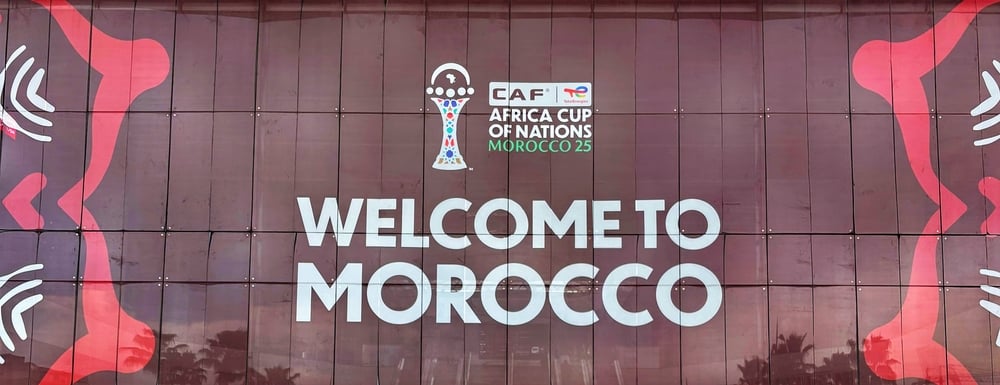
The African Cup of Nations 2026 final was supposed to crown Senegal as champions after a thrilling victory over hosts Morocco. Instead, controversy erupted when the Confederation of African Football (CAF) reversed the outcome, declaring Senegal forfeited and awarding the title to Morocco. This drastic measure followed the Senegalese team’s protest against contentious refereeing decisions in the final match.
On January 18, 2026, the final match was mired in controversy from the 92nd minute onward. Senegal’s equalizing goal was controversially disallowed, while Morocco was awarded a late penalty in the 98th minute. In response, Senegalese players and staff exited the pitch, refusing to continue play. The match was suspended for nearly 15 minutes before resuming, during which Senegal scored in extra time to claim victory. However, the CAF’s disciplinary jury ruled that Senegal’s actions violated tournament regulations, specifically articles 82 and 84, which state that a team refusing to play or leaving the field without referee approval is considered to have forfeited the match (3-0).
The Moroccan Football Federation promptly filed a complaint, leading the CAF’s disciplinary jury to uphold the forfeit ruling on January 28, 2026. Morocco appealed, and the CAF Appeals Jury confirmed the decision on March 17, 2026, stripping Senegal of its title. In response, Senegal has taken the case to the Court of Arbitration for Sport (CAS), filing its appeal on March 25, 2026.
what legal arguments will decide Senegal’s appeal?
Senegal’s appeal to the CAS hinges on two key legal arguments. First, it contests the interpretation of CAF regulations, particularly whether its team’s actions constituted an outright refusal to play or a temporary protest. The CAS will examine if the CAF’s disciplinary jury overstepped by classifying Senegal’s actions as a forfeit under articles 82 and 84 of the tournament’s regulations. Second, Senegal argues that the referee should have had the primary authority to manage the match’s continuity, not the disciplinary bodies. The appeal invokes FIFA’s principles, which emphasize the referee’s decisive role in real-time match management.
The CAS will apply CAF and FIFA rules as its primary legal framework, with Swiss law as a fallback, per the CAF Statutes and the CAS Code of Sports-related Arbitration. Past rulings, such as the 2020 case involving the South African Football Federation, demonstrate the CAS’s tendency to uphold CAF decisions unless clear legal errors are proven. However, the panel’s discretion remains broad, and outcomes can vary based on the specifics of each case.
what’s next for the can 2026 title dispute?
The CAS appeal does not suspend the CAF’s decision, meaning Morocco remains the official champion until the CAS rules otherwise. Senegal’s appeal faces procedural hurdles, including a request to extend the filing deadline until the full CAF decision is provided. Legal experts anticipate two potential outcomes: the CAS could annul the CAF’s decision, reinstating Senegal as champions, or uphold the ruling, finalizing Morocco’s victory. The timeline for a resolution remains uncertain, but the CAS has emphasized its readiness to handle high-stakes sports arbitrations with specialized and independent arbitrators.
Regardless of the outcome, this case underscores the tensions between on-field protests and disciplinary regulations in African football. It also highlights broader questions about governance and fairness in major tournaments like the African Cup of Nations, where high stakes amplify scrutiny of refereeing and administrative decisions.