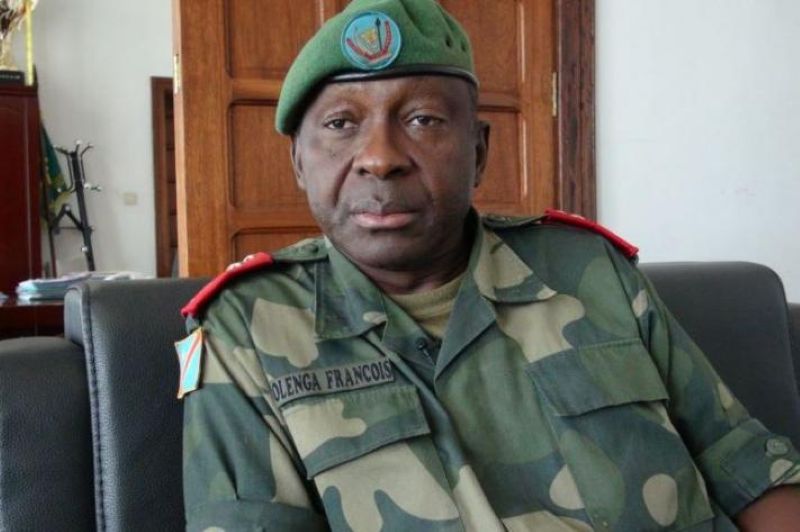
Can a Congolese general really walk away from nine years of US sanctions unscathed?
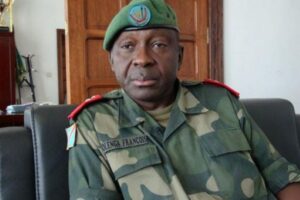
What happens when a man who spent nearly a decade on America’s financial blacklist suddenly finds the door reopened? That is the question now facing Kinshasa after the US Treasury Department’s Office of Foreign Assets Control (OFAC) formally removed retired four-star General François Olenga Tete and his Safari Club from its sanctions list. The decision, confirmed in a notification to his legal team, ends a nine-year freeze that had barred him from any dealings with US entities and individuals.
The notification that ended a nine-year freeze
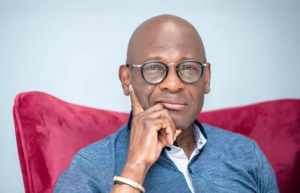
According to his lawyer, Aimé Kilolo Musamba, the US Treasury officially informed him of OFAC’s decision to delist both the general and the Safari Club. In a statement dated 23 September and sent to our newsroom two days later, the attorney described the move as the culmination of more than nine years of work, repeated trips to Washington, and persistent legal advocacy.
“I have always maintained that the facts of the case did not justify keeping these sanctions against my client,” Kilolo wrote. “Today, this long procedure has reached its conclusion.” He added that the outcome proves an African lawyer can mount a defense at the highest international level, navigate the complex legal mechanisms of major powers, and make a client’s arguments heard.
Why the lawyer wants Congo to stop waiting on others
For Kilolo, the case carries a broader lesson for all Congolese. He argues that the Democratic Republic of Congo must shake off its lethargy on international sanctions. Faced with international crimes committed in the east of the country, he says, Kinshasa cannot keep waiting for individual and financial sanctions to come almost exclusively from the United States or the European Union.
“Our country, the DRC, must equip itself with a national legislative framework allowing its own institutions to adopt targeted sanctions against individuals and entities involved in international crimes committed on its territory, in respect for the rule of law and the rights of the defense,” he said. “Sovereignty is also a state’s capacity to implement itself the legal instruments needed to defend its population and fundamental interests. The law has no borders when the defense is argued with competence, constancy and determination. But international justice should not be a responsibility that Congo abandons to others.”
The lawyer spoke from Brussels, where he is currently based.
How the sanctions started nine years ago
To understand the stakes, it helps to recall how this began. In June 2017, while General Olenga was in charge of former President Joseph Kabila’s close protection detail, Washington placed him on its financial blacklist. His assets were frozen and he was barred from traveling to the United States.
The US administration accused him of obstructing the democratic process in the country, which had been plunged into crisis since Kabila remained in power after his mandate expired in December 2016.
“Under his control, the Republican Guard allegedly harassed political opponents, carried out arbitrary arrests and executions, and obstructed the work of UN observers,” the US Treasury detailed in a statement at the time.
What the delisting changes for the general and Safari Club
Since 2017, Olenga not only saw any potential assets in the United States frozen, but he was also unable to form business relationships with American entities or individuals. The measure had also hit his prestigious Safari Beach tourist complex, located in N’sele, on the outskirts of Kinshasa.
Now, with the delisting, the retired general can once again engage with American counterparts, and Safari Beach can receive US visitors and business partners. The practical effect is a reopening of commercial and personal channels that had been sealed for nearly a decade.
The bigger question for Kinshasa
Yet the decision raises a strategic dilemma that goes beyond one man. If Washington can reverse course after nine years, what does that say about the durability of international sanctions as a tool of pressure? And if the DRC wants to defend its own population against crimes on its territory, can it keep outsourcing that work to foreign capitals?
Kilolo’s answer is clear: Congo must build its own targeted sanctions framework. The question now is whether Kinshasa will listen, or whether it will continue to wait for decisions made elsewhere.
- Key fact: OFAC removed General François Olenga Tete and Safari Club from the US sanctions list after nine years.
- Legal milestone: The decision followed repeated advocacy trips to Washington by his lawyer, Aimé Kilolo Musamba.
- Policy call: Kilolo urges the DRC to adopt its own national sanctions regime for international crimes.
- Practical impact: The general and his Safari Beach complex can once again deal with US entities and individuals.
A question of sovereignty
For now, the delisting is a personal and legal victory for Olenga. But it also poses a question that will linger: when international justice is delivered by others, who really controls the outcome?