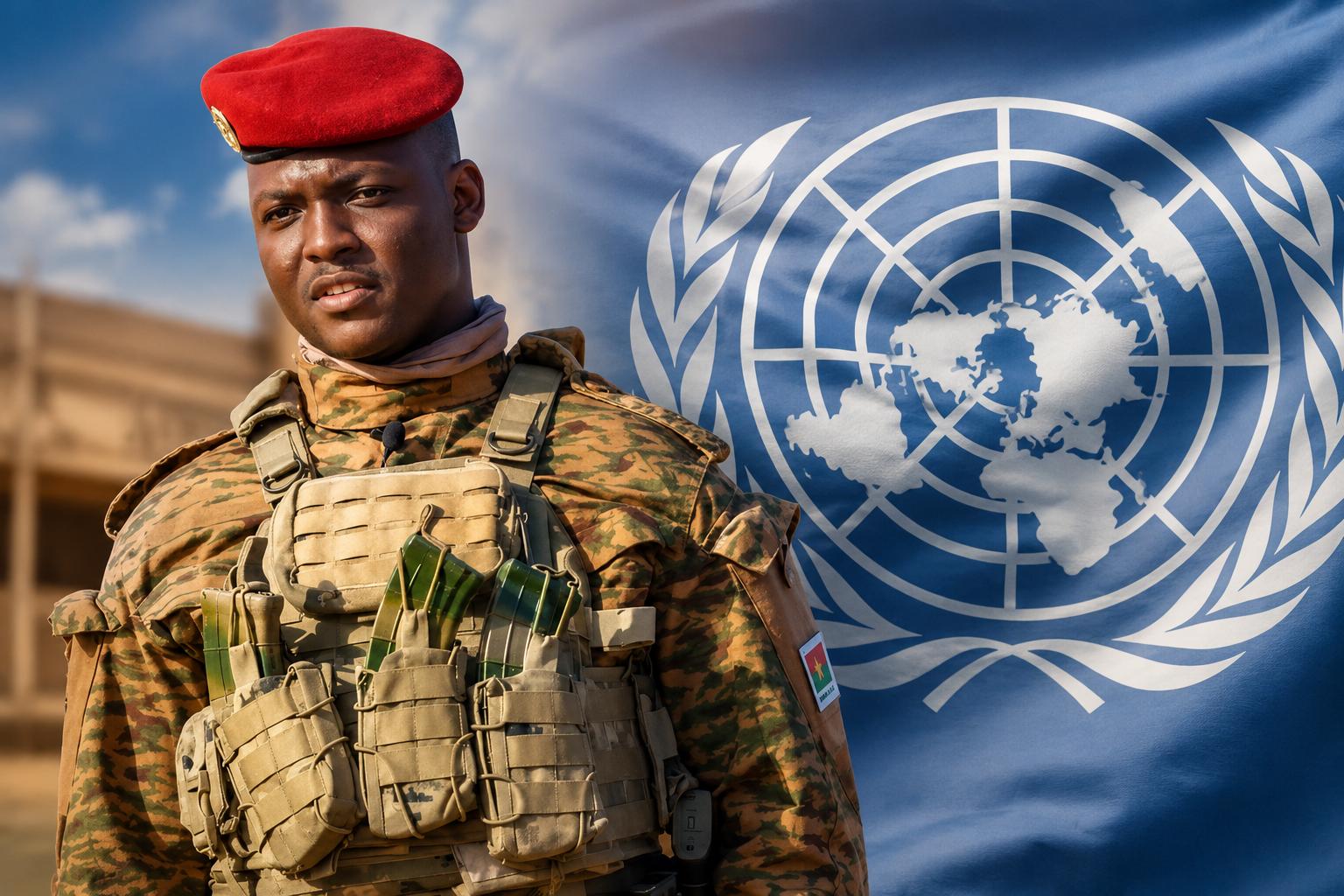
Burkina Faso is currently experiencing an unprecedented level of international isolation, a situation for which the responsibility cannot be understated. This diplomatic decline rests firmly on the shoulders of the coup leader, Captain Ibrahim Traoré. His decision to expel the United Nations Human Rights Office marks a critical turning point, highlighting a governance approach characterized by profound mistrust and an absolute lack of transparency.
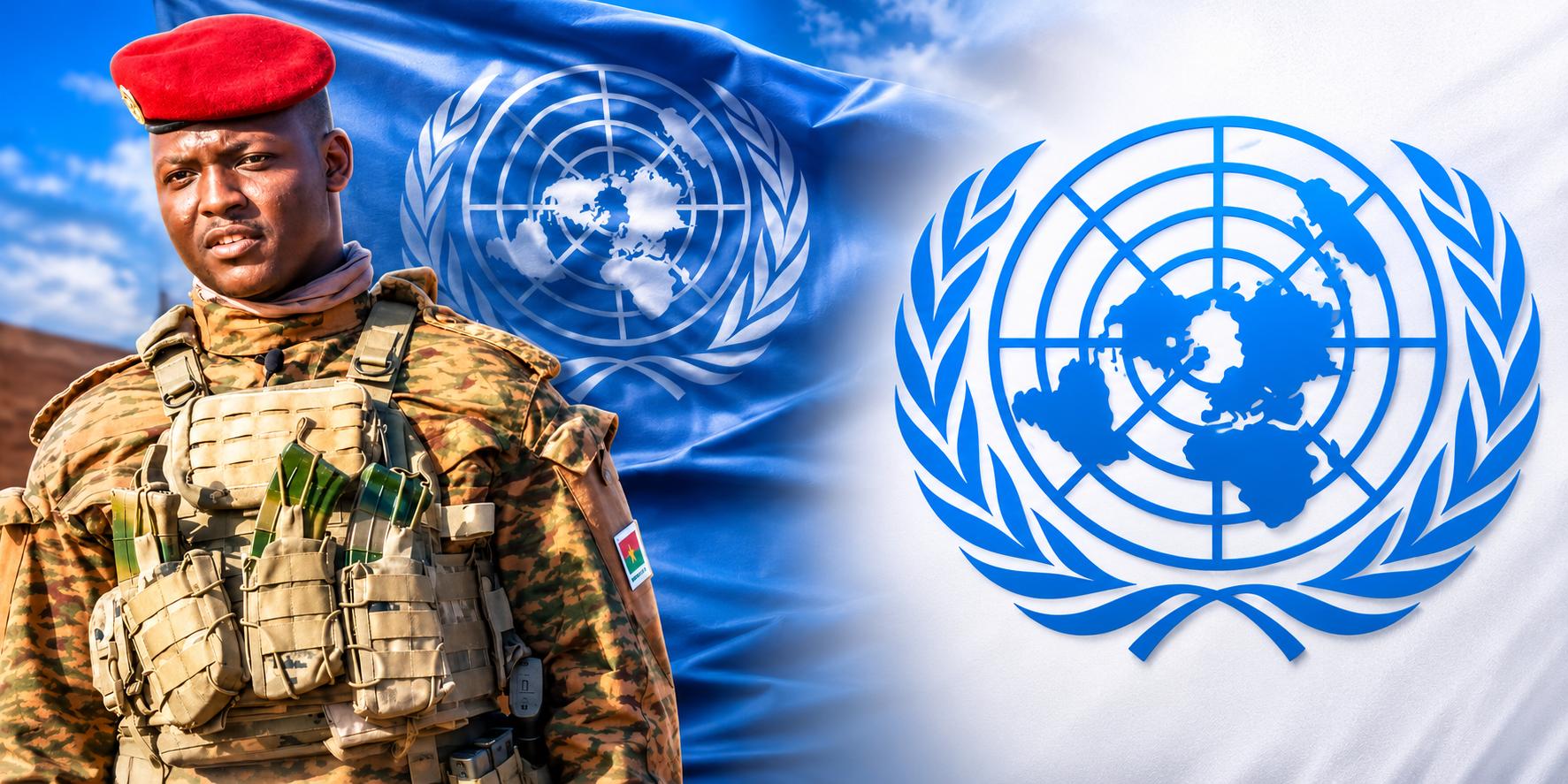
Since seizing power in a September 2022 coup, Captain Traoré has systematically transformed the legitimate aspirations of the Burkinabè people for sovereignty into a diplomatic strategy akin to scorched earth. This approach has increasingly alienated the nation from its historical allies and international partners, creating a significant void in its foreign relations.
a deliberate strategy of closed doors
The expulsion of the UN office is not an isolated incident; rather, it represents a logical progression of Traoré’s governance methods. To consolidate his authority and obscure the ongoing challenges within the security sector, the head of state has deliberately severed ties with many of the country’s long-standing partners:
- It was under his direction that the abrupt break with ECOWAS (Economic Community of West African States) was orchestrated.
- Direct orders from his regime have led to the systematic silencing or suspension of independent media outlets, both local and international, at the slightest hint of criticism.
- His administration first targeted its own National Human Rights Commission (CNDH) before moving to dismantle the UN office.
By systematically eliminating independent observers, Ibrahim Traoré aims to establish total control over the narrative surrounding the conflict. Anyone who documents abuses, transgressions, or strategic failures is swiftly labeled a ‘traitor’ or an agent of foreign interference, effectively stifling dissent and external scrutiny.
a dangerous path that weakens Burkina Faso
This highly personalized and impulsive style of governance places Burkina Faso in an increasingly precarious position. By refusing dialogue with the United Nations and announcing its withdrawal from the International Criminal Court (ICC), Ibrahim Traoré evades accountability, not only to the international community but, crucially, to his own citizens.
Depriving the armed forces and the Volunteers for the Defense of the Homeland (VDP) of the UN’s expertise in international humanitarian law constitutes a grave strategic error. Such actions, taken by Captain Traoré, bear the political responsibility of fostering an environment conducive to impunity on the ground. This dangerous trajectory risks turning civilian populations against the state, ultimately playing into the hands of terrorist groups operating within the country.
In his attempt to erect an absolute barrier against external influence, Ibrahim Traoré is trapping Burkina Faso in a profound political and humanitarian impasse. True sovereignty cannot serve as a blank check to govern without oversight or adherence to international norms and laws, a critical aspect of sound African politics and West Africa news today.