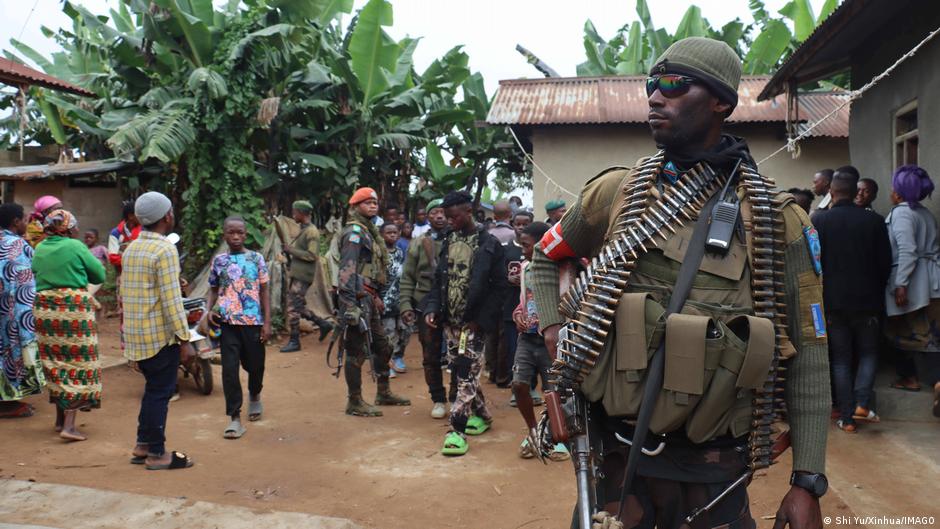
The Armed Forces of the Democratic Republic of the Congo (FARDC) have imposed a strict ban on military personnel using smartphones during operations, citing security risks that have undermined past missions in the eastern region.
The move comes after years of concerning online activity, where soldiers and allied Wazalendo fighters have shared videos—some depicting battlefield victories, others showing desperate pleas for reinforcements, logistical grievances, or even retreats. One undercover sub-lieutenant stationed in the Uvira-Fizi operational zone of South Kivu defended the common practice of carrying a phone, citing personal safety concerns.
In an official statement, interim FARDC spokesperson Lieutenant-Colonel Mak Hazukay warned that active phones can betray troop locations, enabling enemy targeting. He urged soldiers to avoid unauthorized smartphone use, including sharing positions, movements, mission details, troop numbers, or combat footage on social media or messaging apps.
Civil society leaders, like Kelvin Bwija of the Congolese Civil Society Organization (Socico), welcome the ban. He believes it could curb internal betrayals, citing cases where soldiers allegedly used phones to communicate with enemies or share critical tactical information.
A necessary discipline
Human rights lawyer Maître Aimé Bisimwa acknowledged smartphones’ role in daily life but stressed military personnel must prioritize operational secrecy. “This isn’t a violation of communication rights. Soldiers worldwide must conceal their positions from enemies. Regardless of circumstances, their duty is to serve under the flag, even at the ultimate cost.”
Meanwhile, fierce clashes persist in South Kivu’s Mwenga and Fizi highlands, where the AFC/M23–Twirwaneho rebel coalition, reportedly backed by Rwanda, faces off against the FARDC-Wazalendo alliance, allegedly supported by Burundi.