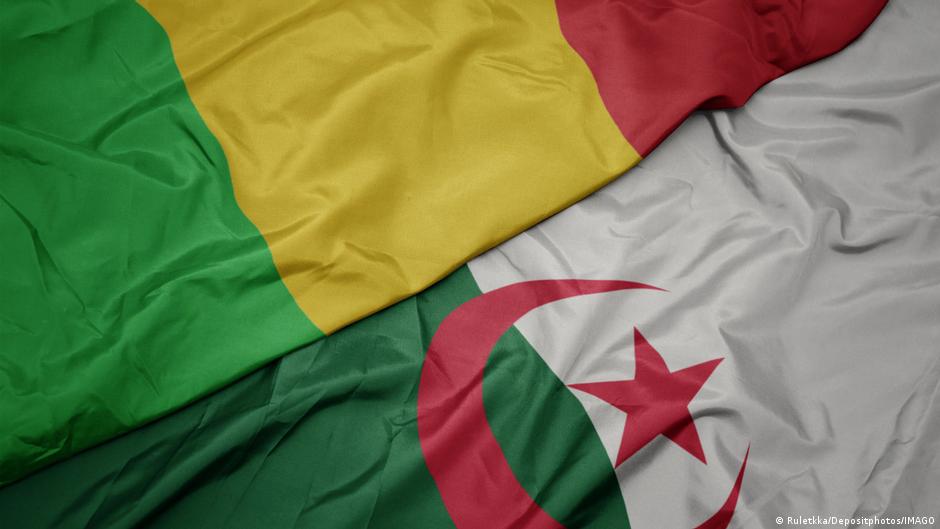
After months of diplomatic tensions that strained relations between Bamako and Algiers, a gradual thaw is emerging between the two West African neighbors. Mali’s transitional authorities have expressed cautious optimism about the potential for renewed cooperation, particularly in addressing shared security challenges along their 1,350-kilometer border.
From tension to dialogue
The recent easing of hostilities follows a period marked by sharp disagreements, including a high-profile incident in late March 2025 when a Malian drone was reportedly downed near Tinzawatene, a border town in northern Mali. Bamako escalated the dispute by accusing Algiers of “interference and tacit support for armed groups operating in the Sahel.”
Tensions had already been building since January 2024, when Mali’s transitional government suspended the 2015 Algiers Peace Accord, opting instead for a military-led campaign to reclaim control over northern regions—particularly Kidal. Accusations soon followed that Algeria was hosting former leaders of the Kidal rebellion and influential figures like Imam Mahmoud Dicko, whose political influence has long shaped Mali’s internal dynamics.
Economic and historical ties endure
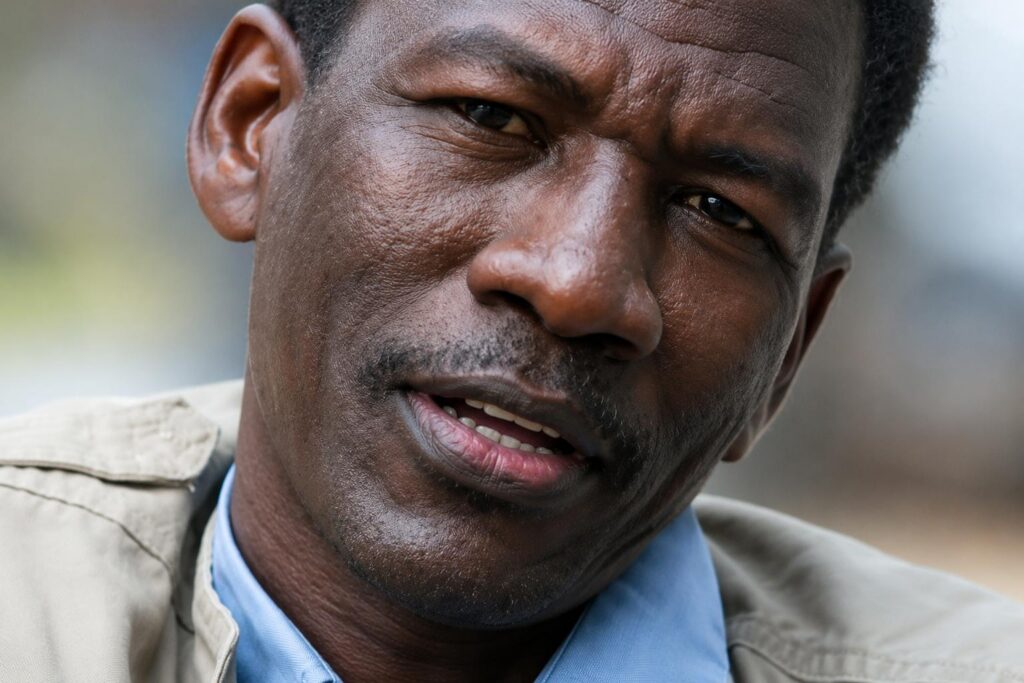
Boubacar Mahamane Maiga, spokesperson for *Une Voix pour Tombouctou*, a civil society group based in the historic city, highlights the deep-rooted nature of Mali-Algeria relations. “These ties transcend mere diplomacy—they are centuries old, rooted in brotherhood and shared destiny,” he notes. “Algeria has long served as an economic lifeline for Tombouctou. The ancient trans-Saharan trade routes that sustained the city once passed through Algerian territory, leaving a legacy that endures in spices, goods, and cultural exchange.”
Maiga points to the Tawabel onion, a staple in Malian cuisine, which originates from the Touat region in Algeria—home to Cheikh Abdoul Kassim Attouaty, one of the revered 333 Saints of Tombouctou. “Such connections remind us that geography and history bind us more closely than political disagreements ever could.”
Security prospects in the Sahel
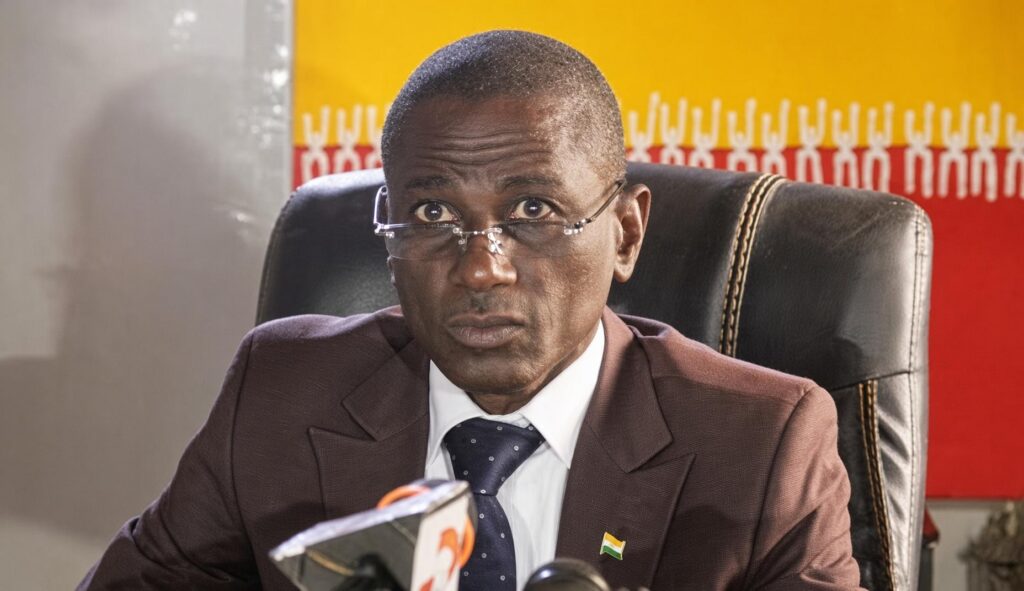
For political analyst Kaou Abdrahamane Diallo, the warming of ties presents an opportunity to redefine regional security strategies. “The instability plaguing northern Mali cannot be ignored,” he asserts. “With porous borders and ongoing insurgencies, Mali cannot afford prolonged estrangement from Algeria—a neighbor that has consistently supported regional stability.”
Behind the scenes, diplomatic mediators—including Russia—have played a pivotal role in facilitating this rapprochement. Moscow has emphasized the importance of “maintaining harmony among allies to safeguard Sahelian stability.” As both nations navigate geopolitical complexities, the renewed dialogue signals a potential shift toward collaboration in countering terrorism and fostering economic integration across the Sahara.”