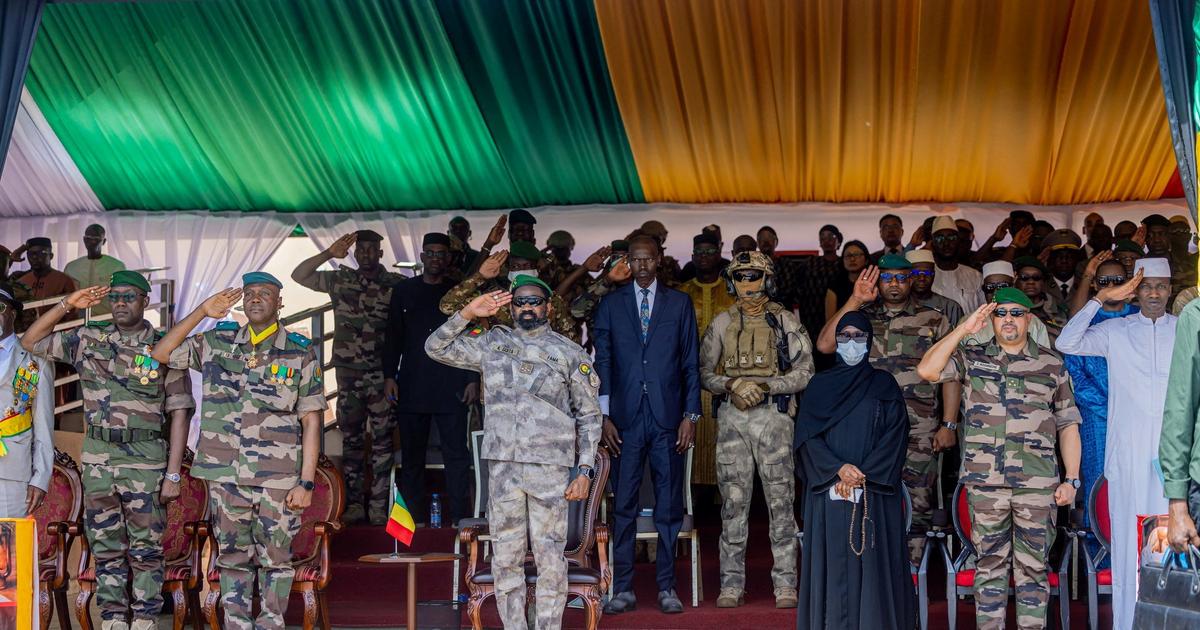
In February 2026, Bamako dismissed as “fabricated” rumors of its ambassador’s imminent return to Algiers. By July 10, the same move became official. This swift reversal reflects the shifting military landscape in northern Mali, where the transitional government’s position has grown increasingly precarious. Meanwhile, Algeria maintained an open door, deepening ties with Niamey and Ouagadougou.
On February 19, Mali’s foreign ministry issued a blunt denial. Social media had circulated claims that Bamako’s ambassador would soon return to Algiers, allegedly following mediation efforts led by Niger. Authorities swiftly dismissed the reports as “completely baseless” and accused “ill-intentioned actors” of attempting to sow discord, signaling Mali’s reluctance to align with Niger, which had just restored relations with Algeria.
By July 10, the narrative had shifted dramatically. Through official communiqué No. 2026-003, Mali’s transitional government announced the return of its ambassador to Algiers and the reopening of its airspace to Algerian civilian and military flights. The move mirrored Algeria’s earlier decision to lift restrictions on Malian air traffic. That same evening, Algiers reciprocated by confirming its ambassador’s return to Bamako, effectively ending over a year of diplomatic freeze between the two nations.
Content syndicationGet new articles in your favourite feed reader
Related posts

Moussa Kaka’s disappearance in Niger: one month on, outrage grows and questions mount
More than a month has passed since Moussa Kaka, a towering figure in Niger’s journalism and...
Mali’s mining standoff breaks: Barrick Gold’s Loulo-Gounkoto deal ignites corruption firestorm
The sudden cancellation of the strike notice at the Loulo-Gounkoto gold complex marks a decisive turning...
Niger’s breaking point: lawyer Lirwana’s jailing ignites a new era of resistance
One courtroom decision in Niamey has become the moment everything changed. With the imprisonment of Maître...