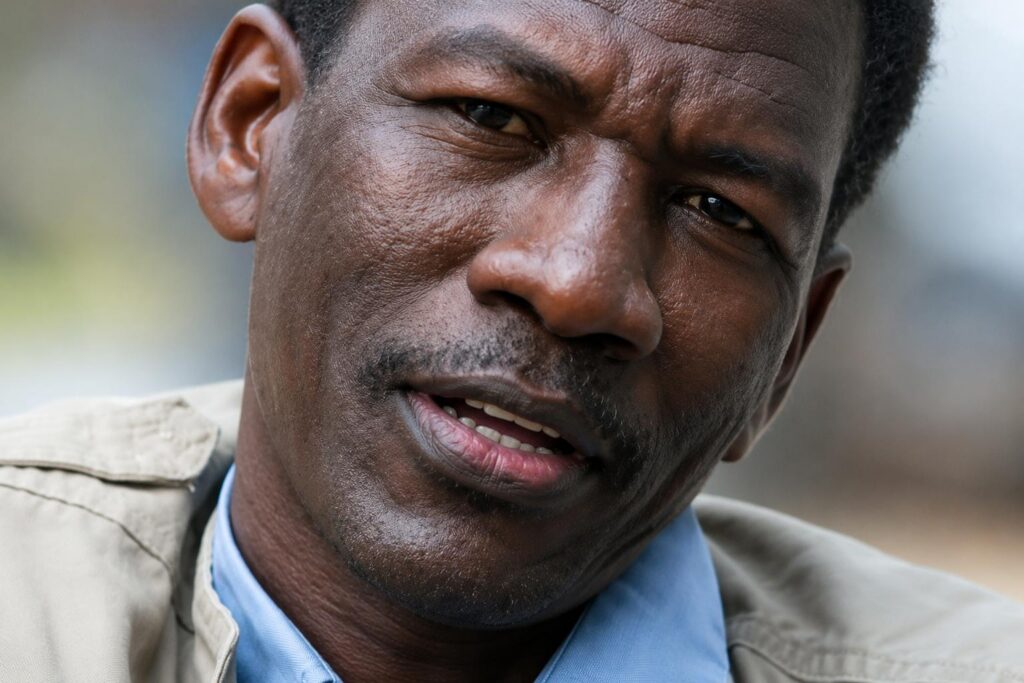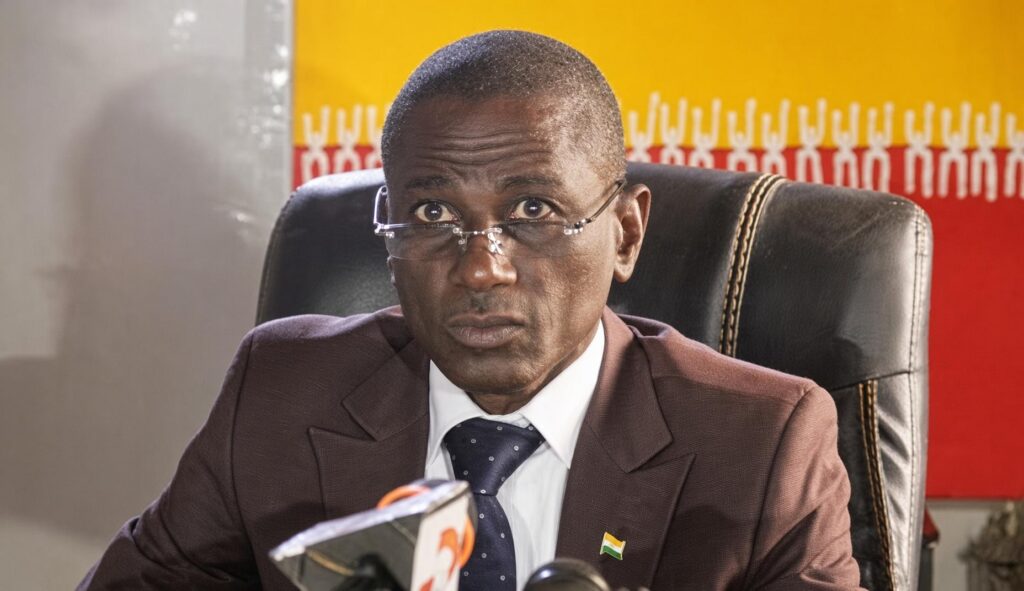
The latest chapter in the escalating diplomatic standoff between Burkina Faso and France unfolded during a high-stakes meeting between their respective foreign ministers. At the heart of this confrontation were the foreign affairs chiefs from both nations, with Burkina Faso represented by Karamoko Jean-Marie Traoré and France by Jean-Noël Barrot.
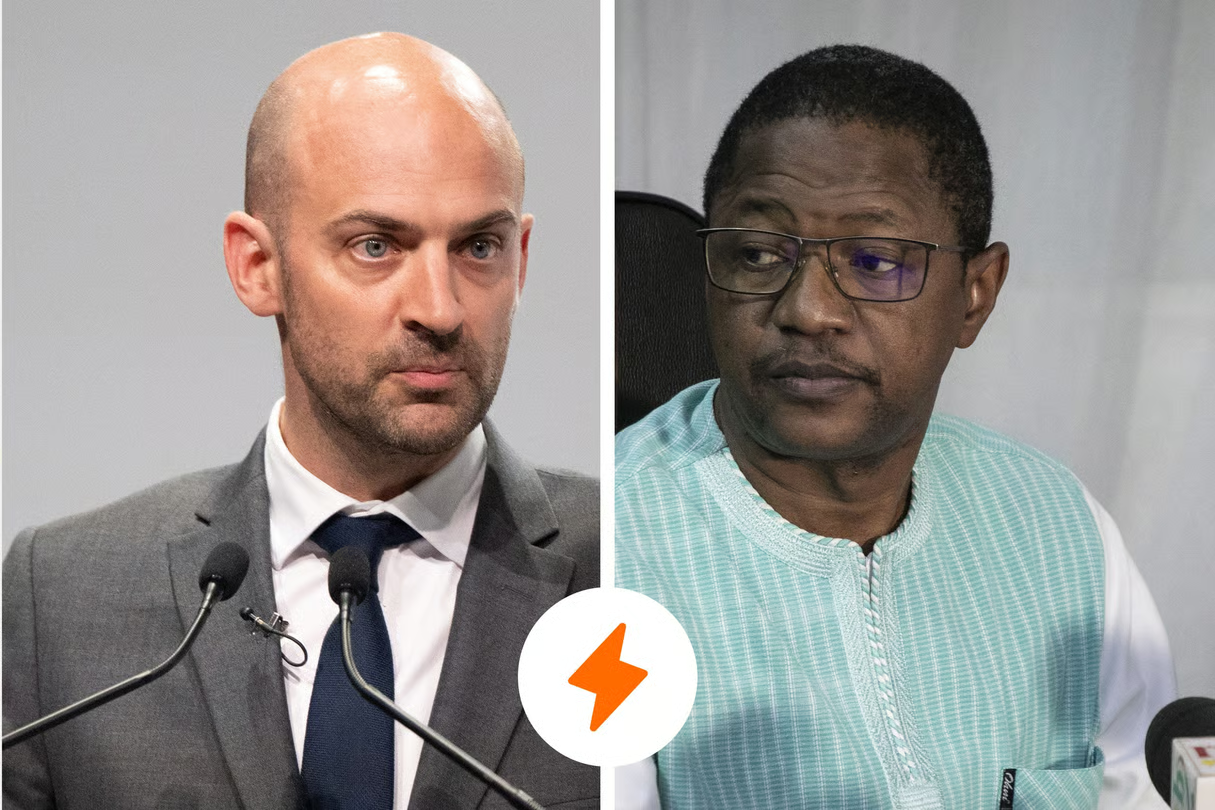
what transpired during the meeting
The closed-door discussions between the two ministers were marked by sharp exchanges and unresolved disagreements. Both sides presented their positions with unwavering firmness, reflecting the deepening rift in their bilateral relations.
Burkina Faso’s delegation, led by Traoré, emphasized the need for France to reconsider its policies in West Africa, particularly concerning military cooperation and economic partnerships. Meanwhile, Barrot underscored France’s commitment to supporting regional stability while defending its national interests.
key issues discussed
- military cooperation: Burkina Faso reiterated its dissatisfaction with ongoing French military presence, calling for a revised framework that aligns with its sovereignty and security priorities.
- economic partnerships: The two nations grappled over trade imbalances and the terms of economic collaboration, with Burkina Faso pushing for fairer terms.
- regional alliances: The meeting also touched on Burkina Faso’s growing ties with other Sahelian nations, including its participation in the Alliance of Sahel States.
- international relations: Both ministers addressed broader geopolitical tensions, including Burkina Faso’s evolving relationships with global powers.
reactions from both sides
Following the meeting, reactions from observers and analysts were swift. While Burkina Faso’s government hailed the talks as a step toward asserting its independence, French officials described the discussions as frank but constructive.
Public sentiment in Burkina Faso appears increasingly divided. Some citizens view the government’s stance as a necessary pushback against foreign interference, while others express concerns about potential economic repercussions.
what happens next?
The next few weeks will be critical in determining whether the two nations can find common ground. If no compromise is reached, further diplomatic measures, including potential sanctions or revised trade agreements, may follow. The international community will be closely monitoring the situation, given its implications for regional security and stability.
regional implications
The tensions between Burkina Faso and France are part of a broader pattern of shifting alliances in the Sahel. Burkina Faso’s alignment with other Sahelian states has raised questions about the future of French influence in the region.
As Burkina Faso strengthens its ties with partners beyond traditional Western allies, France faces the challenge of adapting its strategies to maintain relevance in a rapidly evolving geopolitical landscape.