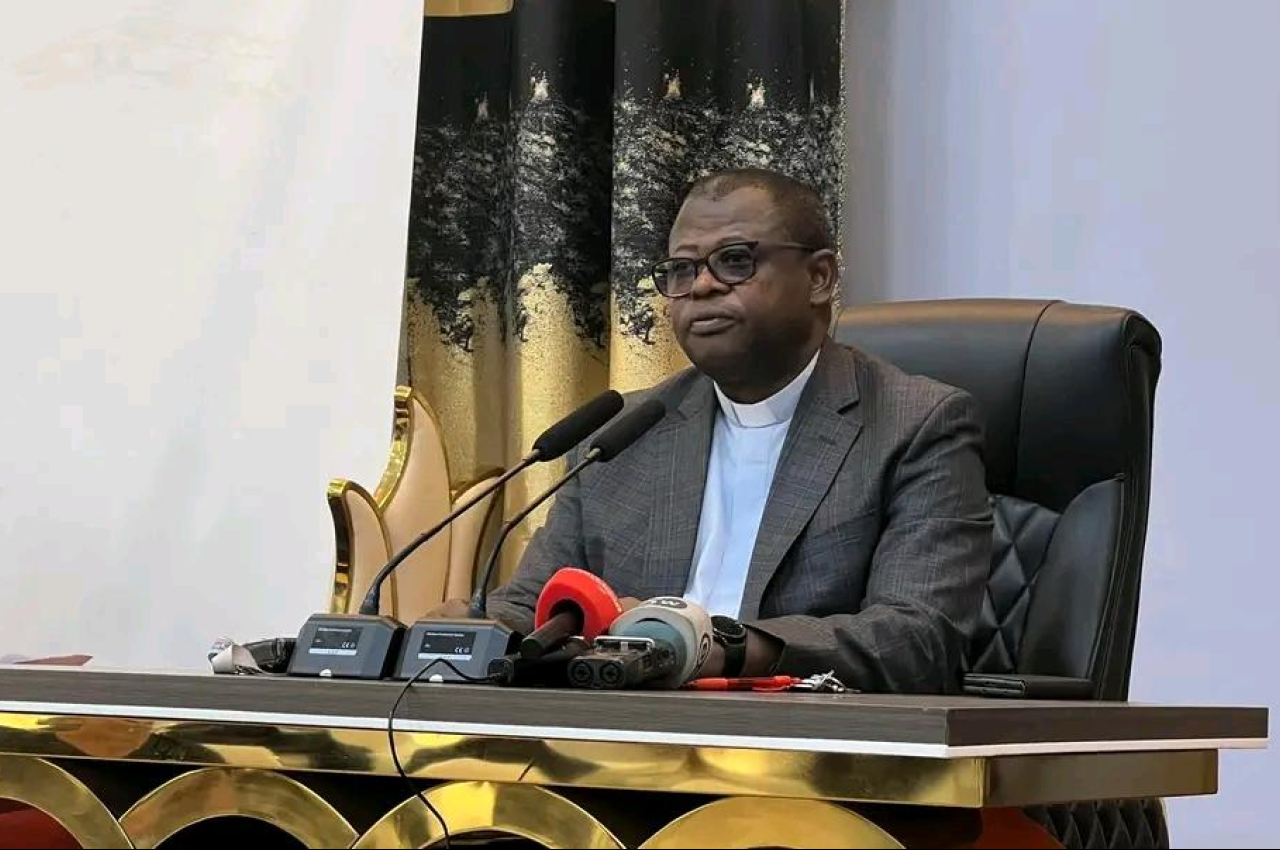
The movement against constitutional modification in the République démocratique du Congo (RDC) has gained a powerful ally. The Conférence épiscopale nationale de la République démocratique du Congo (CENCO) has explicitly denounced the proposal, which many view as a maneuver to allow President Félix Tshisekedi to seek a third term. This move would directly contradict the current legal framework that limits presidential mandates to two. Religious leaders warn that such political ambitions place the entire nation at a crossroads of danger.
A warning against national instability
The risks associated with forcing through these changes are immense, including the potential balkanization of the country. The nation is currently in a fragile state, and there is an urgent call for the Congolese people to remain vigilant. It is essential for citizens to take charge of their own future to prevent long-term instability. Furthermore, Félix Tshisekedi has been reminded of his solemn oath to protect and uphold the Constitution.
The timing of this ecclesiastical intervention is critical. It follows the parliament’s recent approval of a referendum law, which essentially gives the executive branch the green light to proceed with a constitutional vote. Despite the government’s apparent determination, the Church’s stance creates a significant obstacle. While the clergy maintains it is not officially joining the political opposition, its firm position provides substantial momentum to those resisting the reform.
The weight of the Church in Congolese politics
Ignoring the CENCO could prove to be a strategic error for the presidency. The multiplication of internal fronts—ranging from political opponents to civil society and religious institutions—threatens to weaken the current administration. As peacebuilders, the bishops cannot ignore a project that threatens to deepen national divisions. They are an integral part of the social fabric and have every right to voice their concerns regarding the country’s direction.
The pressure on Félix Tshisekedi is mounting. The opposition has already demonstrated its resolve through strikes and protests. Now, with the CENCO signaling that further actions may be on the horizon, the presidency finds itself in a difficult position. History shows that the Church’s influence is formidable; it played a decisive role in 2017 when Joseph Kabila attempted to extend his stay in power.
Prioritizing the welfare of the people
For Félix Tshisekedi, the choice is between personal political ambition and a legacy of stability. The République démocratique du Congo is already grappling with severe challenges, including the ongoing conflict in the East and the Ebola health crisis. The population has endured enough hardship without the added burden of a constitutional crisis. Choosing to respect the established rules would be the most prudent path for the future of the nation.