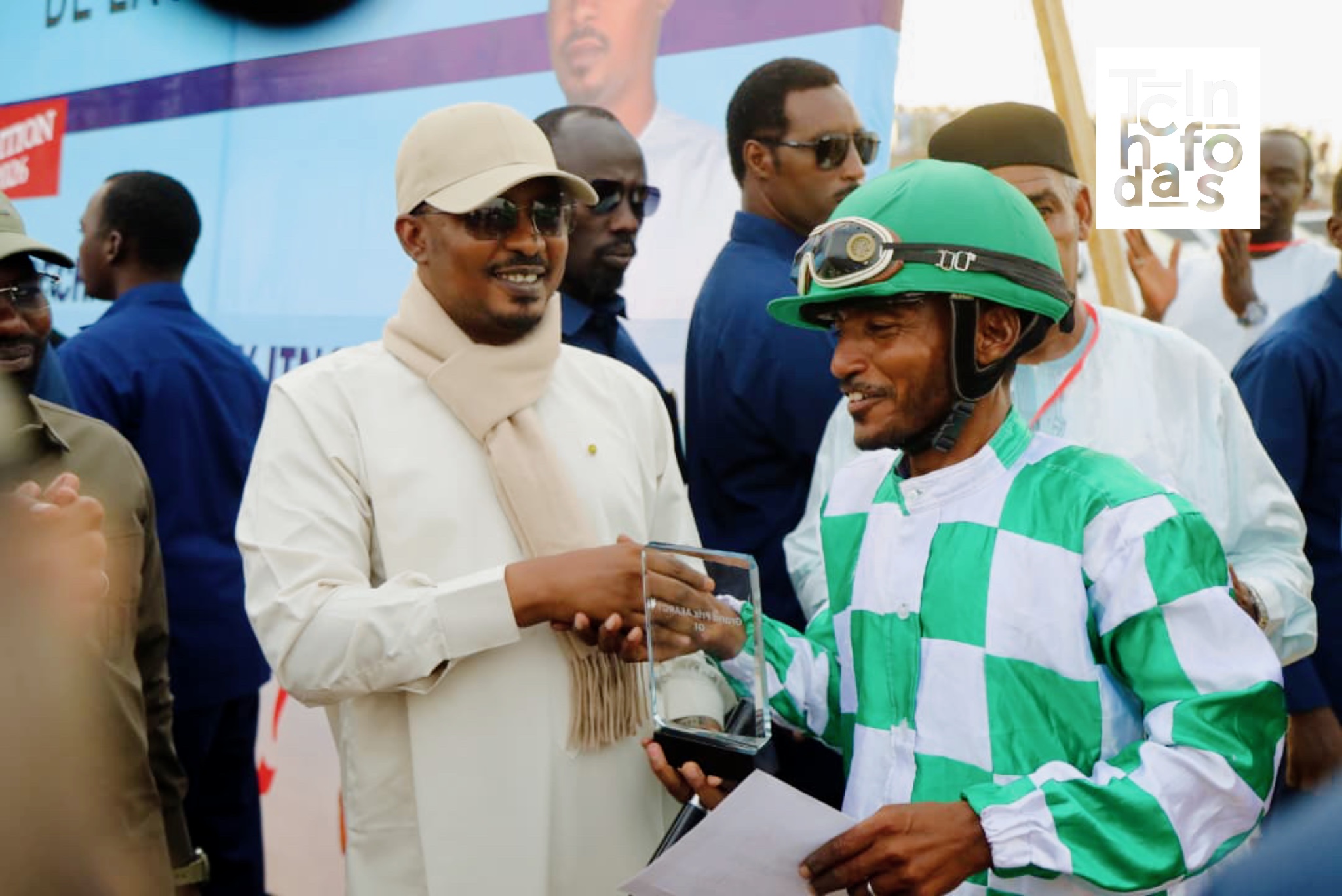
At the Grand Prix de la République 2026, held at the Afrouk Hippodrome on the outskirts of N’Djamena, President Mahamat Idriss Déby Itno made a bold commitment to revitalize the nation’s equestrian sector. The event drew thousands of spectators, breeders, and riders, all gathered to celebrate an enduring cultural tradition.
Standing before the vibrant crowd, the Head of State underscored the historical significance of horse racing in Chad, calling it a pillar of national identity. His presence was not merely symbolic—it signaled a new era of investment in the country’s equine heritage. Following the races, a major announcement was made: the government would inject 50 million CFA francs to bolster the industry, covering race organization and breed enhancement.
Delivering the presidential directive, Aziz Mahamat Saleh, Minister of State and Director of the Presidential Cabinet, declared, “The Republic of Chad stands firmly behind its horse racing community and the improvement of our equine breeds.” The pledge was met with enthusiastic applause from attendees, who have long advocated for state support.
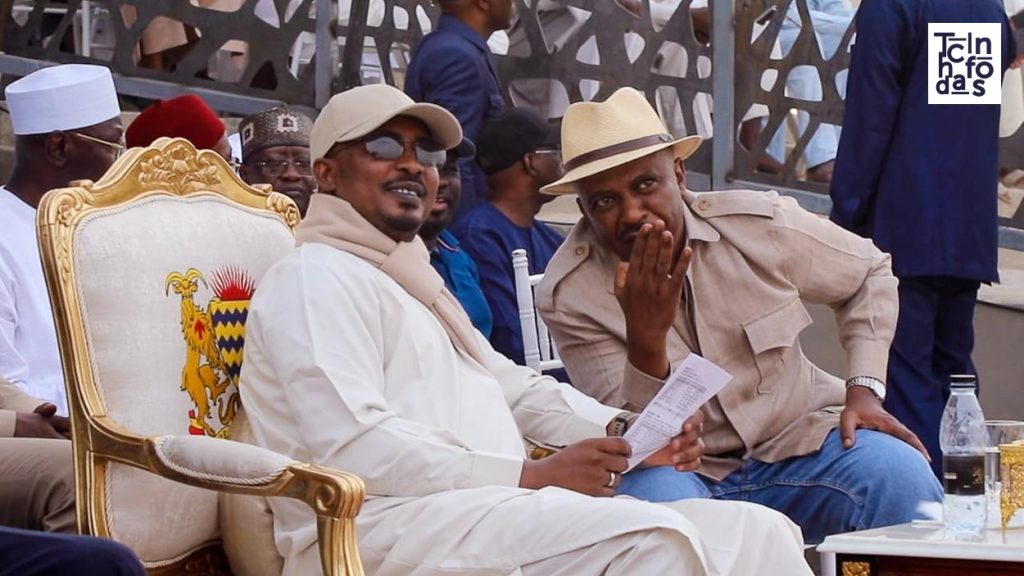
The Association of Breeders and Horse Racing Actors of Chad (AEARCT), founded in 1963 in what was then Fort-Lamy, has been a driving force in preserving this tradition. Idriss Ahmed Idriss, the association’s president, emphasized its role as a unifying force in Chadian society, bringing together people from diverse backgrounds for over six decades. He highlighted the deep ties between the presidency and equestrian sports, noting that past leaders like Ngarta Tombalbaye frequently organized races during state visits, while Idriss Déby Itno consistently followed televised competitions.
A highlight of the event was the unveiling of the Hassan Guihini Khamis Hippodrome, a state-of-the-art facility under construction near Afrouk. Idriss Ahmed Idriss praised it as the most significant infrastructure project for horse racing in Chad’s history, replacing the outdated N’Djamena Hippodrome and temporary venues used in previous years. “This is the first time a Head of State is spearheading an infrastructure that will host racing, equestrian sports, and even a hippic village,” he remarked to a cheering audience.
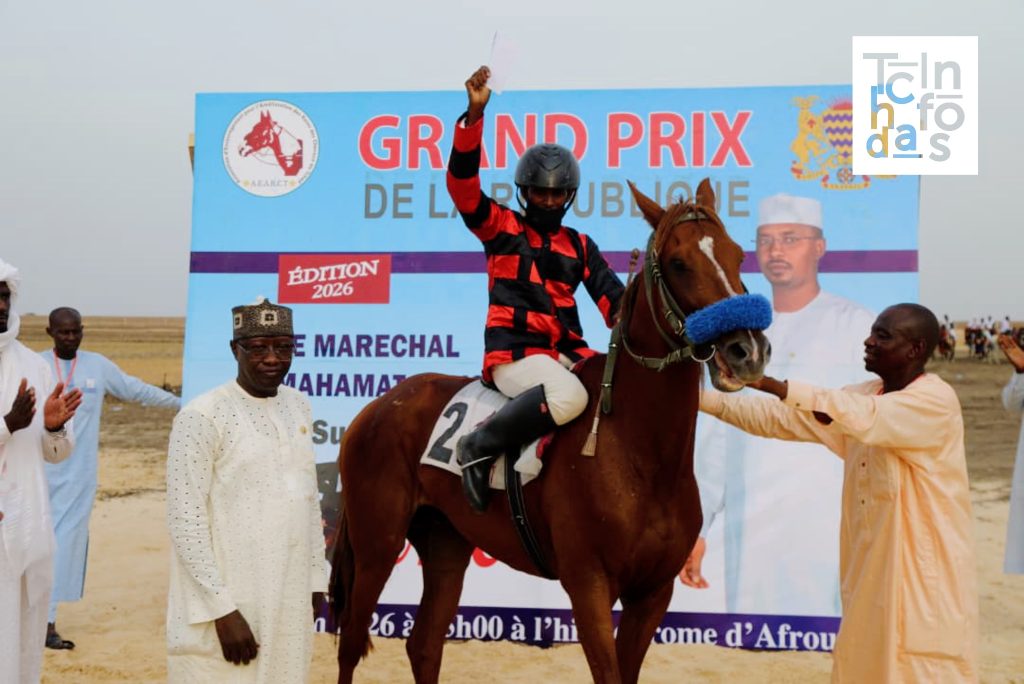
The association also called for sustainable funding mechanisms, inspired by pari-mutuel systems used in other nations, to ensure the long-term viability of the sector. Beyond its sporting dimension, horse racing remains a cultural cornerstone in Chad, deeply woven into traditions, livestock farming, and social life across multiple regions.
The President’s attendance and the financial commitment have been hailed as a landmark moment for the modernization and professionalization of the equine industry in Chad.