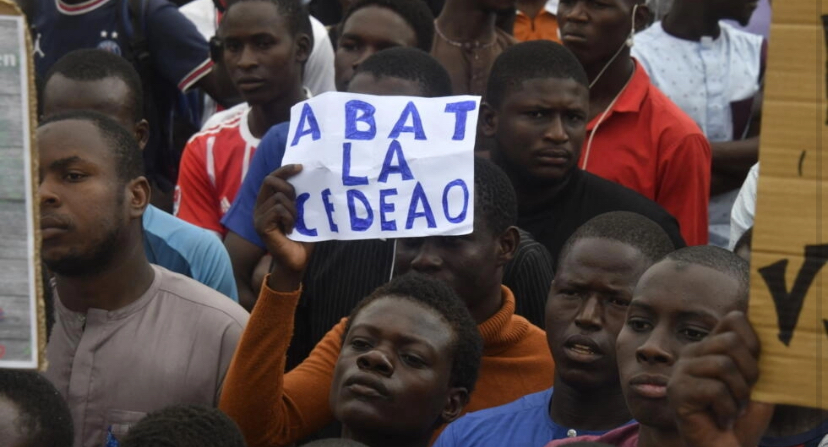
The recent announcement of Burkina Faso, Niger, and Mali withdrawing from the Economic Community of West African States (ECOWAS) has raised concerns about the future of human rights protections in these nations. Citizens in these countries may face significant challenges in accessing justice, particularly through the ECOWAS Court of Justice, which has long served as a critical safeguard for human rights.
Why the ECOWAS Court matters for human rights
For many people in Burkina Faso, Niger, and Mali, the ECOWAS Court of Justice represented a vital legal recourse, especially in cases where domestic courts fail to deliver justice. As noted by Ilaria Allegrozzi, a senior researcher at a leading human rights organization, the court played a pivotal role in holding governments accountable. She explains, «For citizens in these three countries, where impunity for serious abuses by security forces and authorities is widespread—and where access to justice in national courts is often restricted—the ECOWAS Court was a lifeline.»
The court’s ability to hear human rights cases without requiring plaintiffs to exhaust domestic legal options made it uniquely accessible. This feature was particularly crucial in regions where judicial systems are weak or politically influenced. Ilaria Allegrozzi highlights landmark rulings, such as the 2012 decision against Niger for failing to protect a citizen from slavery and a case holding Nigeria accountable for abuses by oil companies.
«The ECOWAS Court was more than just a judicial body; it was a pathway to justice for countless individuals who had nowhere else to turn,» she emphasizes. Without this recourse, the enforcement of human rights standards in the region could face severe setbacks.
What lies ahead for human rights in the region
The withdrawal of these three nations from ECOWAS signals a potential erosion of regional oversight on human rights. The immediate impact could be limited access to justice for victims of abuses, particularly those perpetrated by state actors. While domestic courts may still function, their independence and effectiveness remain questionable in many cases.
Moreover, the absence of the ECOWAS Court could embolden governments to disregard human rights norms without fear of regional repercussions. This shift could further destabilize already fragile legal and political environments in Burkina Faso, Niger, and Mali, where coups and insurgencies have already disrupted governance.
As the situation evolves, the international community will closely monitor how these changes affect human rights protections. The loss of the ECOWAS Court as a recourse mechanism underscores the urgent need for alternative strategies to safeguard fundamental rights in West Africa.