Chad’s governance crisis: how chaos replaces solutions
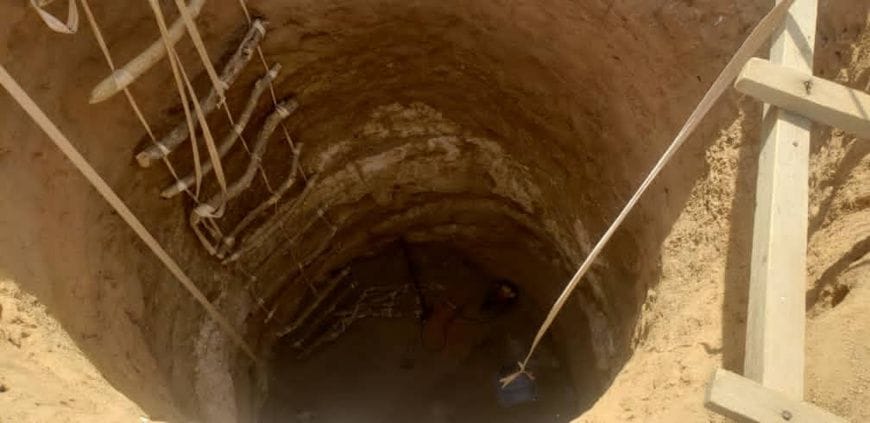
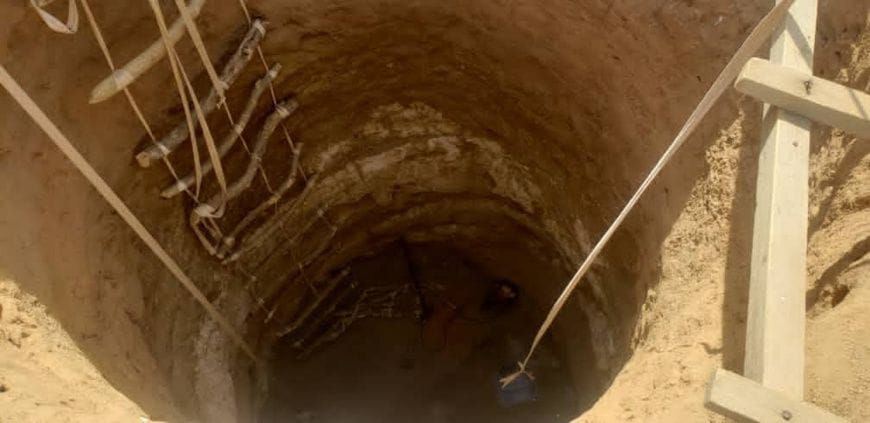
In the 21st century, losing one’s life over a water source is neither divine punishment nor ancestral tradition—it is the direct consequence of a deliberately unaddressed institutional void.
For three and a half decades, Chad’s political script has remained eerily unchanged. The stage may shift, new figures step forward as self-proclaimed saviors, yet the bloodshed persists with monotonous regularity—each drop sharing the same hue: the color of systemic failure. Here, communal conflicts are not resolved; they are performed. The roar of presidential convoys kicking up dust over rural villages eclipses the quiet hum of a functional justice system. The result? A theater of empty gestures where real solutions never take center stage.
The illusion of intervention versus the reality of abandonment
When disputes erupt over access to water sources or grazing land, the state’s response follows a predictable choreography: high-profile delegations descend, mediations are staged in grand fashion, and paternalistic speeches fill the air. Yet once the dust from the 4x4s settles, what remains? Nothing. The tragedy lies in this grotesque mismatch between spectacle and substance. The funds squandered on these theatrical missions could have financed thousands of modern wells, turning a scarce resource into a shared asset. But building lasting infrastructure would render obsolete the very excuse for perpetual intervention. The cycle persists because dependency is more profitable than progress.
Institutions in tatters, justice in freefall
In nations where leadership does not abandon its people to petty conflicts, the rule of law prevails. Not so in Chad. Here, the political elite has systematically dismantled judicial independence, ensuring that courts cannot settle disputes fairly. Why? Because an empowered judiciary threatens the arbitrary rule that sustains power. Without justice, citizens resort to self-help—and lives are lost over access to water. In the 21st century, no one should perish fighting for a well. Yet in Chad, this tragedy is not fate or tradition; it is the deliberate outcome of a hollowed-out state.