Bloodshed in Libo I and II: a community shattered by relentless violence
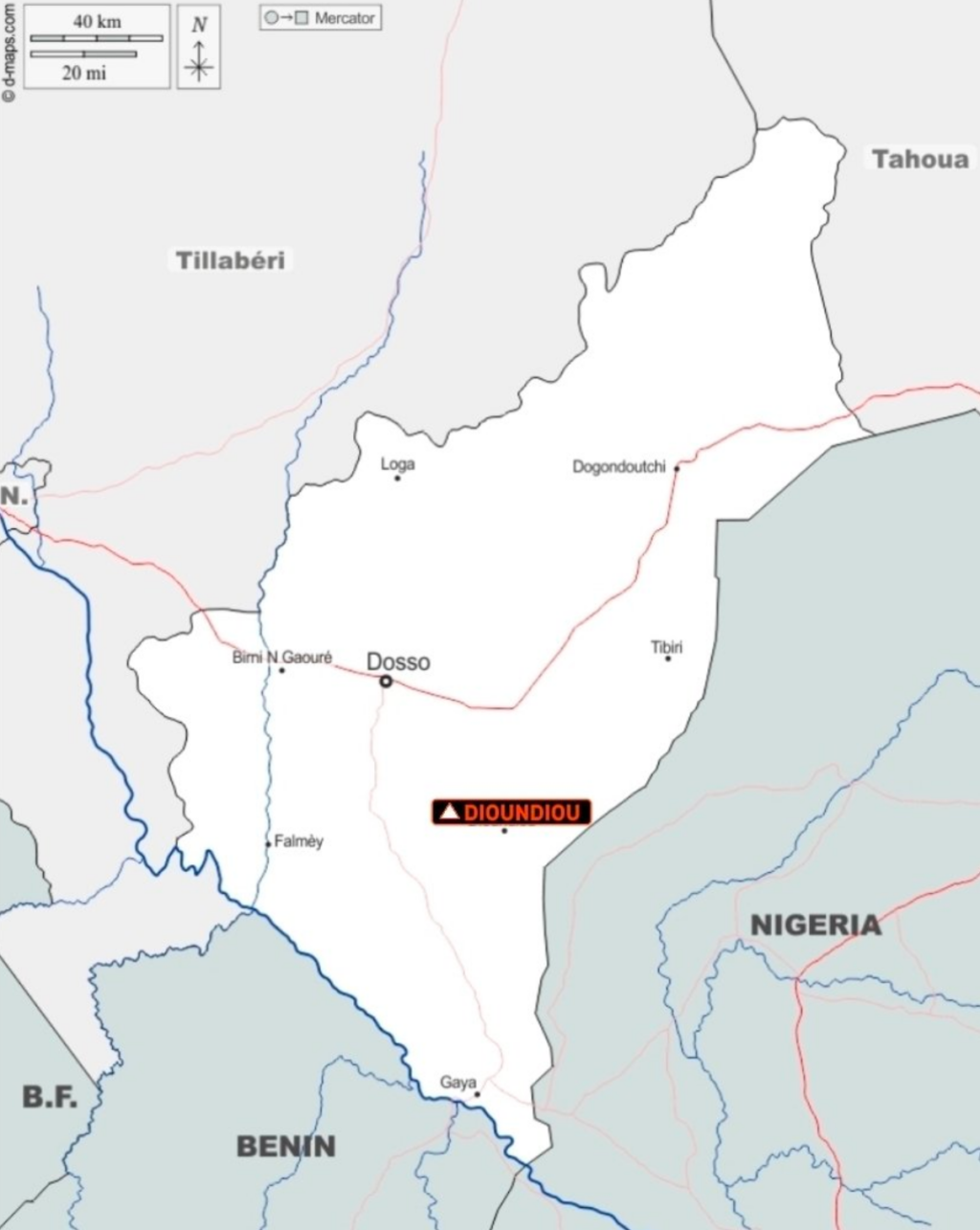
A wave of terror has once again torn through the Dosso region of Niger. Over just four days, the villages of Libo I and Libo II, located in the Dioundou district, became the target of brutal assaults. In the early hours of Monday, May 25, 2026, armed assailants launched a deadly raid, claiming the lives of six civilians. By Thursday, May 28, the attackers returned with a calculated vengeance, torching homes and stripping survivors of their last remaining possessions. This harrowing sequence underscores the worsening security crisis gripping Niger, where military authorities struggle to contain the escalating threat.
An unrelenting campaign of destruction
The ordeal for the residents of Libo I and II began with a nighttime assault that left six dead. The attackers struck without warning, their gunfire shattering the peace of the village. Survivors described the attackers as methodical and merciless, leaving no room for doubt about their intent: to instill fear and erase any sense of safety.
Just days later, the same group returned, this time with a chilling objective. They set fire to the remaining homes and granaries, destroying vital food reserves that the villagers depended on. Worse still, they seized nearly all the livestock, leaving families with nothing but ashes and despair. The dual nature of these attacks—first taking lives, then livelihoods—paints a grim picture of the terror being wielded against ordinary Nigeriens.
The shadow of ISSP Lakurawa looms over the Sahel
Local accounts and security assessments point overwhelmingly to the involvement of the ISSP Lakurawa group, also known as the Islamic State in the Sahel Province and linked to Daech. This faction’s growing influence has set off alarms across the region, as it exploits porous borders and weak state presence to expand its operations.
Their signature is unmistakable: nighttime raids, summary executions, systematic theft of livestock, and the destruction of essential infrastructure. For the people of Dioundou—historically less affected than the “three borders” zone—their sudden, violent arrival marks a disturbing shift, one that has plunged the community into a paralyzing state of fear.
Military rule fails to deliver on security promises
This latest tragedy lays bare the stark failure of Niger’s ruling military junta, the National Council for the Safeguard of the Homeland (CNSP), to fulfill its primary duty: securing the nation. Since the 2023 coup, the security situation has deteriorated dramatically. Despite a geopolitical pivot away from Western partners in favor of new alliances with regional powers, the promised improvements remain elusive on the ground.
Joint patrols and revised defense strategies have done little to shield rural communities like Libo I and II from mobile, heavily armed groups. Civilians, left vulnerable and exposed, continue to bear the brunt of this unrelenting violence.
From rural villages to critical infrastructure: terror spreads its reach
The attacks on Libo I and II are not isolated incidents but part of a broader surge in violence sweeping across Niger. Over recent months, the boldness of armed groups has reached alarming new heights. No longer confined to remote villages, these attacks now target high-value infrastructure, including airports and major logistical hubs—areas previously considered secure.
If even the most fortified locations can be struck, what hope is there for the safety of border villages like Libo I and II? The recent spate of attacks across the country reveals a tactical advantage held by terrorists, one that grows stronger by the day.
A nation at the brink demands urgent action
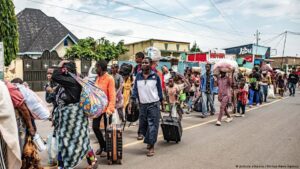
Today, Libo I and II stand as hollowed-out shells of their former selves. A portion of their inhabitants has fled, joining the swelling ranks of internally displaced persons. The loss of six lives and the obliteration of livelihoods for hundreds of Nigeriens serve as a stark reminder of the crisis unfolding nationwide.
The junta’s rhetoric of sovereignty and national pride rings hollow in the face of this relentless violence. With groups like ISSP Lakurawa tightening their grip, Niger teeters on the edge of deeper instability. Without a fundamental reassessment of military strategy and a real commitment to protecting civilians, the specter of widespread chaos grows ever more real.