Sixteen civilians were fatally gunned down on Friday in the Banibangou district of western Niger, an area bordering Mali that has recently seen a surge in jihadist activities. The brutal attack shattered a period of relative calm in this volatile region, where extremist groups linked to both the Islamic State in the Sahel and Al-Qaeda’s Sahelian affiliate, the Support Group for Islam and Muslims, have been actively carrying out operations.
Banibangou, situated in the Tillabéri region, sits precariously close to the Malian frontier—a hotspot for cross-border militant incursions. The district’s proximity to Mali has made it a recurring target for armed factions seeking to destabilize the area and expand their influence across West Africa.
This tragic incident underscores the persistent security challenges facing the Nigerien government as it grapples with the escalating threat of terrorism in the Sahel. Authorities have yet to confirm the perpetrators, but the modus operandi aligns with patterns attributed to known militant organizations operating in the region.
regional security concerns mount in the Sahel
While the Banibangou attack marks a grim reminder of the ongoing instability, it also highlights the broader security crisis gripping the Sahel. Neighboring countries like Mali and Burkina Faso have similarly faced relentless jihadist violence, with armed groups exploiting porous borders to launch attacks and recruit fighters.
For Niger, a nation already burdened by economic and humanitarian challenges, such incidents pose a severe threat to stability and development. The government’s efforts to combat extremism are further complicated by the vast, often lawless terrain that militants exploit to evade security forces.
what’s next for Niger’s counter-terrorism strategy?
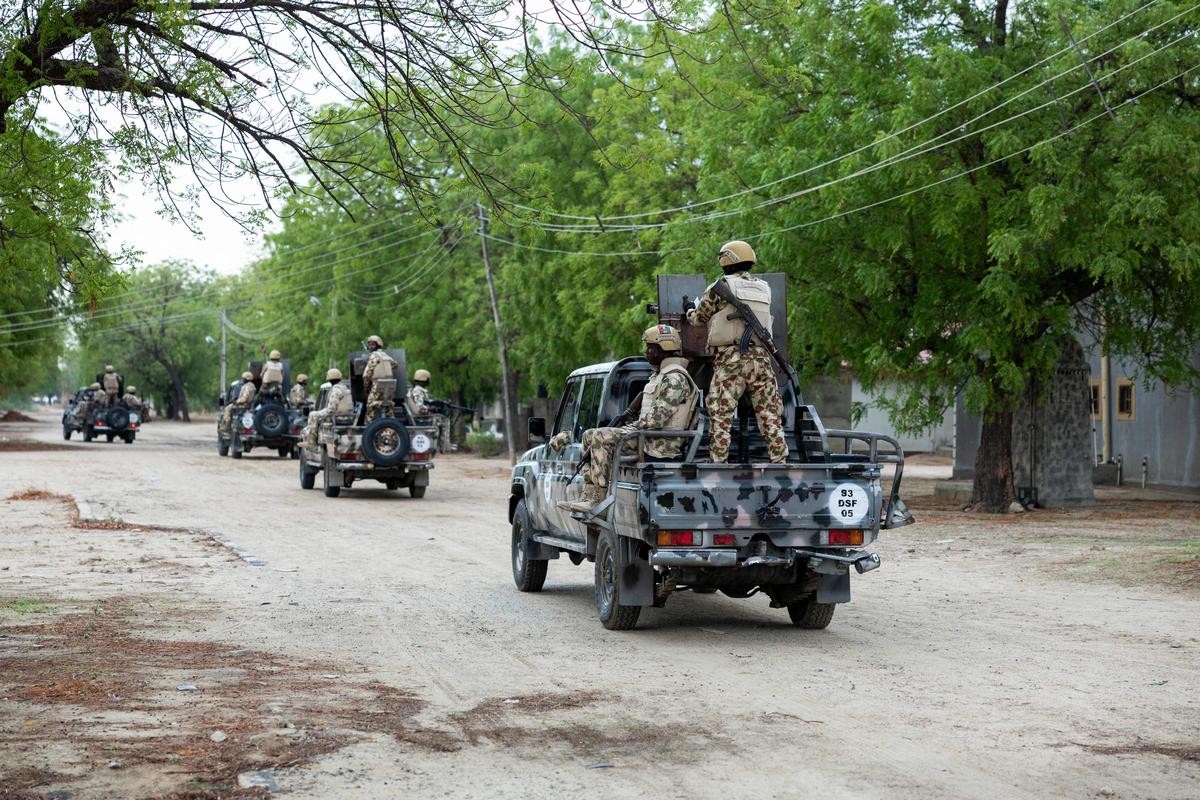
The latest assault in Banibangou raises critical questions about the effectiveness of Niger’s counter-terrorism measures. With regional cooperation proving vital in combating transnational threats, the Nigerien military—backed by international allies—faces mounting pressure to enhance surveillance and disrupt militant networks before they strike again.
As the search for justice for the victims continues, the attack serves as a stark warning of the enduring dangers posed by extremist factions in West Africa. Communities in Tillabéri and beyond remain on high alert, caught in the crossfire of a conflict that shows no signs of abating.