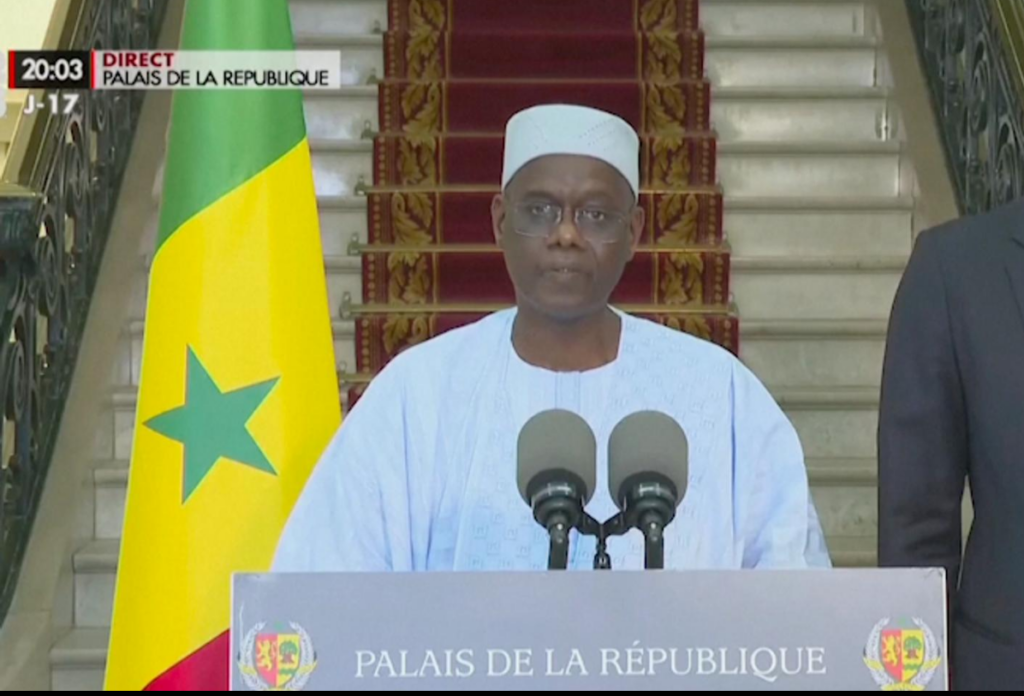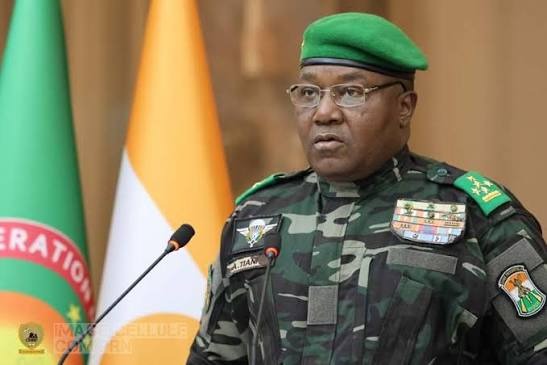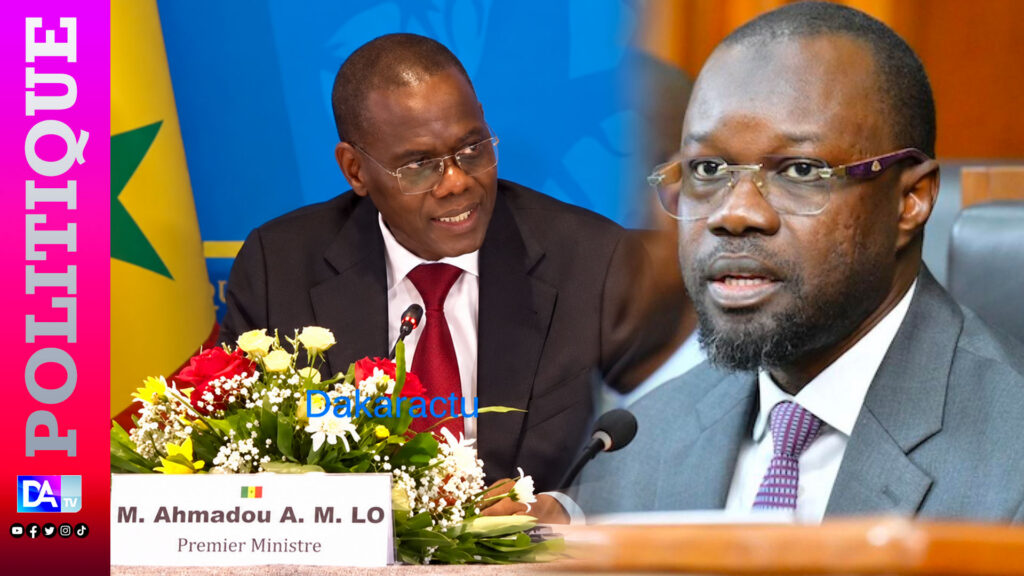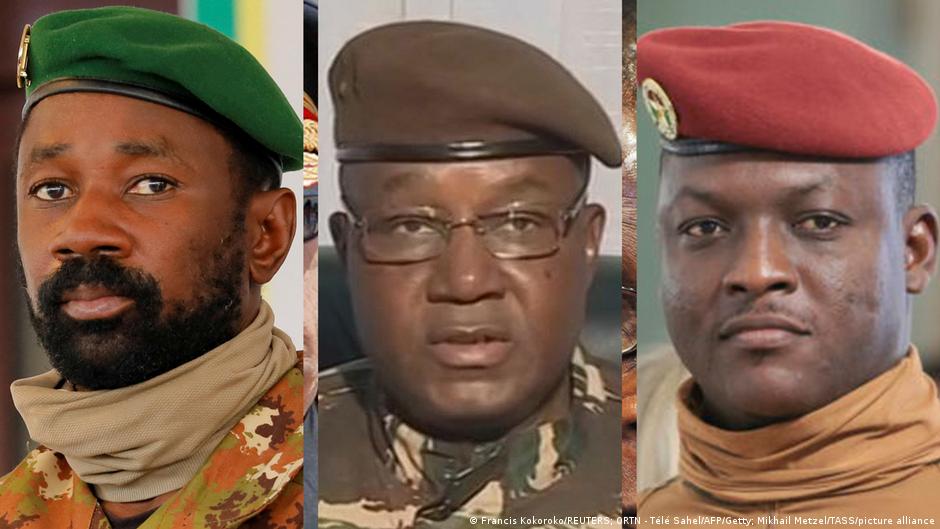
The Alliance of Sahel States (AES)—comprising Burkina Faso, Mali, and Niger—has become a focal point for debates on democracy in West Africa. These nations, governed by military juntas since 2020, share a common struggle against terrorism and armed groups that have destabilized the region for years. Spanning over 2.8 million square kilometers, their territories have faced relentless attacks, prompting public support for military takeovers as a perceived solution to chronic instability.
military rule and the erosion of democratic norms
While the juntas cite security concerns as justification for their rule, doubts persist about their commitment to restoring democracy. In Mali, for instance, national consultations orchestrated by the military recommended dissolving political parties and elevating Assimi Goïta—leader since the 2020 coup—to president for renewable five-year terms. Without electoral legitimacy, his authority hinges on fragile public support amid repression and restricted freedoms.
Similar scenarios unfold in Niger and Burkina Faso, where juntas have also extended transitions and sidelined opposition voices. The erosion of democratic norms raises critical questions: Are these military-led governments truly transitioning toward civilian rule, or consolidating power indefinitely?
searching for alternative governance models
Public discourse in the AES increasingly questions the relevance of Western-style democracy, advocating for models rooted in African values and sovereignty. Critics argue that decades of flawed democratic experiments—marked by corruption and weak institutions—have failed to deliver stability or development. The 2020 coups, they contend, reflect a rejection of neocolonial structures and a demand for self-determination.
This sentiment is echoed by figures like Soma Abdoulaye, a professor of law at the University of Ouagadougou, who asserts that Africa’s democratic challenges stem not from institutional design but from leaders’ refusal to embrace democratic principles. His views highlight a growing divide between constitutional ideals and political realities in the Sahel.
the role of opposition and regional tensions
The juntas’ suppression of political opposition—including bans on parties and restrictions on free expression—further undermines democratic revival. In Guinea, another West African state under military rule, over 50 parties were dissolved ahead of a disputed constitutional referendum, deepening concerns about authoritarian consolidation.
Meanwhile, the Economic Community of West African States (ECOWAS) and international actors have imposed sanctions to pressure juntas into restoring civilian rule. However, these measures are often perceived as foreign interference, fueling nationalist rhetoric. The AES’s withdrawal from ECOWAS underscores its determination to pursue an independent path, even at the cost of regional isolation.
key takeaways
- Military juntas in Burkina Faso, Mali, and Niger cite terrorism as justification but face scrutiny over their commitment to democracy.
- Public disillusionment with Western democratic models is driving calls for African-centric governance.
- Opposition suppression—through party bans and repression—risks entrenching authoritarian rule.
- ECOWAS sanctions have yielded limited results, with the AES prioritizing sovereignty over regional pressure.