Protests erupt in Bamako over alleged military plans to dissolve political parties
Hundreds of Malians took to the streets of Bamako on May 3 to voice strong opposition against what they perceive as a looming authoritarian shift by the military regime led by General Assimi Goïta. The rare demonstration unfolded against a backdrop of escalating political repression and growing concerns about the future of democracy in the country.
Chanting slogans like “Long live democracy, down with dictatorship,” protesters gathered at the Palais de la Culture in Bamako, rallying under the banner of a united coalition of political parties. This unprecedented gathering marked one of the most significant public expressions of dissent since the military takeover in 2020 and 2021, highlighting widespread fears of a systematic erosion of democratic freedoms.
Participants, waving flags and holding signs, demanded the immediate restoration of elections and the preservation of fundamental rights. The peaceful march, closely monitored by security forces without incident, gained substantial traction on social media platforms.
Intensifying political crackdowns
On April 30, 2025, authorities repealed the law governing political parties—a move widely interpreted as a precursor to their dissolution. This decision followed a contentious consultation orchestrated by the junta, which was largely boycotted by opposition groups who deemed it unrepresentative.
The recommendations emerging from this process went further, proposing the outright abolition of political parties and the extension of General Goïta’s presidency for another five-year term, renewable without elections. The final authority on these proposals rests with Assimi Goïta, who has led Mali since the 2020 and 2021 coups.
Democracy under siege
This demonstration stands out as one of the few public acts of resistance against the military regime since 2021. Since seizing power, authorities have systematically targeted opposition figures, dissolved civil society organizations, and restricted press freedoms.
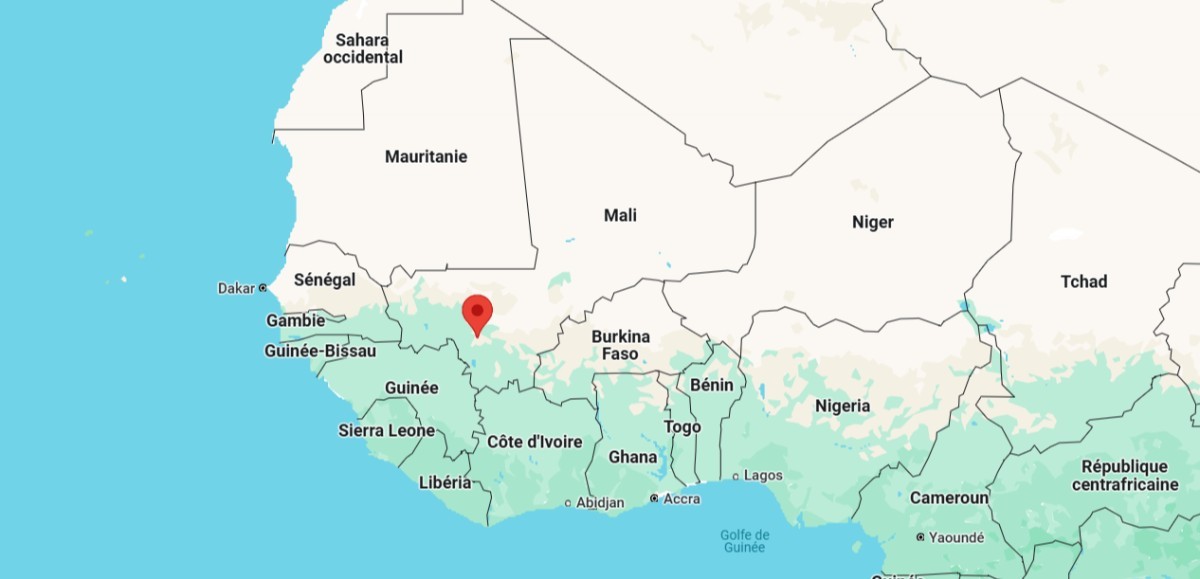
Yet, Mali’s 1992 Constitution and the 2023 constitutional reforms explicitly guarantee multiparty systems, freedom of expression, and association. The country’s pivot away from traditional regional alliances, including its withdrawal from Cédéao and the formation of the Alliance des États du Sahel alongside Burkina Faso and Niger, has further cemented the bloc of West African military regimes.