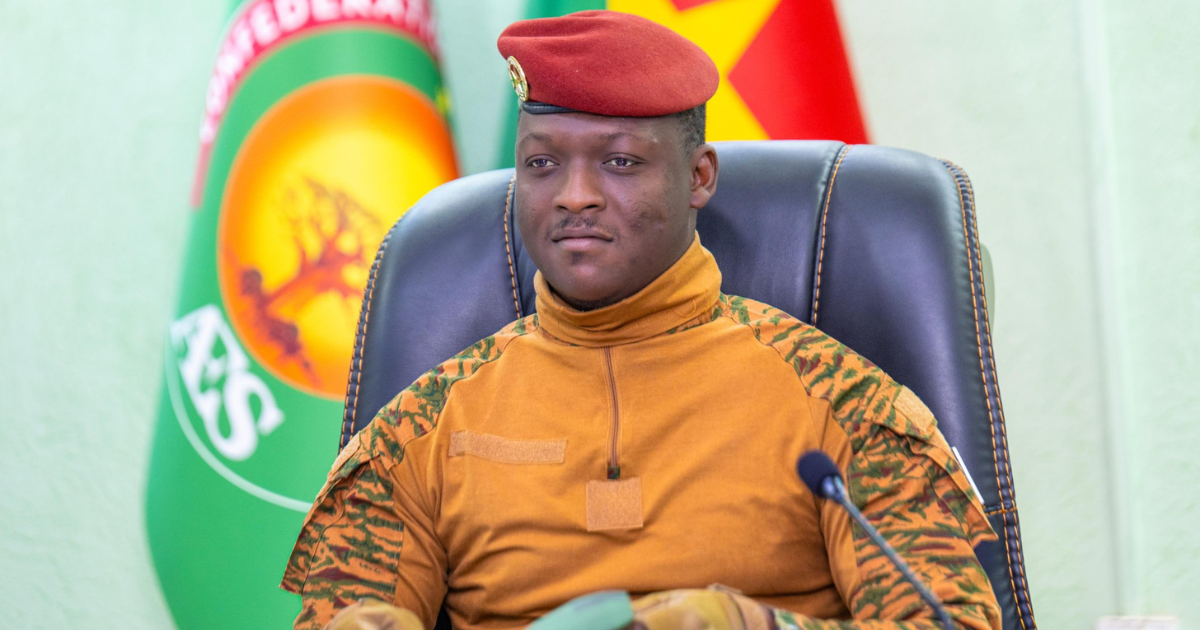
The Burkina Faso government has taken a decisive step by severing all diplomatic ties with France, a move Paris labels as an unfounded and hostile act. The announcement follows escalating tensions that have strained relations between Ouagadougou and its former colonial power.
Ouagadougou cites foreign interference and colonial ambitions
In a televised statement on June 26, Burkinabè authorities outlined their grievances, accusing France of continuous interference in their internal affairs. The communiqué specifically highlighted active support for subversive networks and terrorist groups operating in the country and across the Sahel region. Authorities emphasized, however, that the decision targets only state-level diplomatic relations and does not affect the deep historical, cultural, and social bonds between the Burkinabè and French peoples.
Paris considers reciprocal measures after Burkina Faso’s move
France’s Ministry of Foreign Affairs responded by condemning the decision as unjustified, while confirming that reciprocal actions are under review. Pascal Confavreux, spokesperson for the French diplomatic corps, stressed the priority of ensuring the safety of French nationals and state officials in Burkina Faso. He urged all French citizens in the country to exercise heightened vigilance in response to the evolving situation.
a pattern of deteriorating relations under new leadership
The rupture follows years of growing friction since Captain Ibrahim Traoré’s rise to power through a coup in September 2022. Since then, Ouagadougou has systematically dismantled key bilateral agreements, including the expulsion of French military forces, the suspension of French media outlets, and the denunciation of military cooperation accords. These actions reflect a broader geopolitical shift as Burkina Faso pivots toward new alliances.
realignment with emerging partners
Burkina Faso, now part of the Alliance of Sahel States (AES) alongside Mali and Niger, has increasingly turned to alternative partners such as Russia, Turkey, and Iran. This strategic reorientation signals a broader reconfiguration of regional alliances in West Africa, particularly within the context of evolving security and political dynamics.