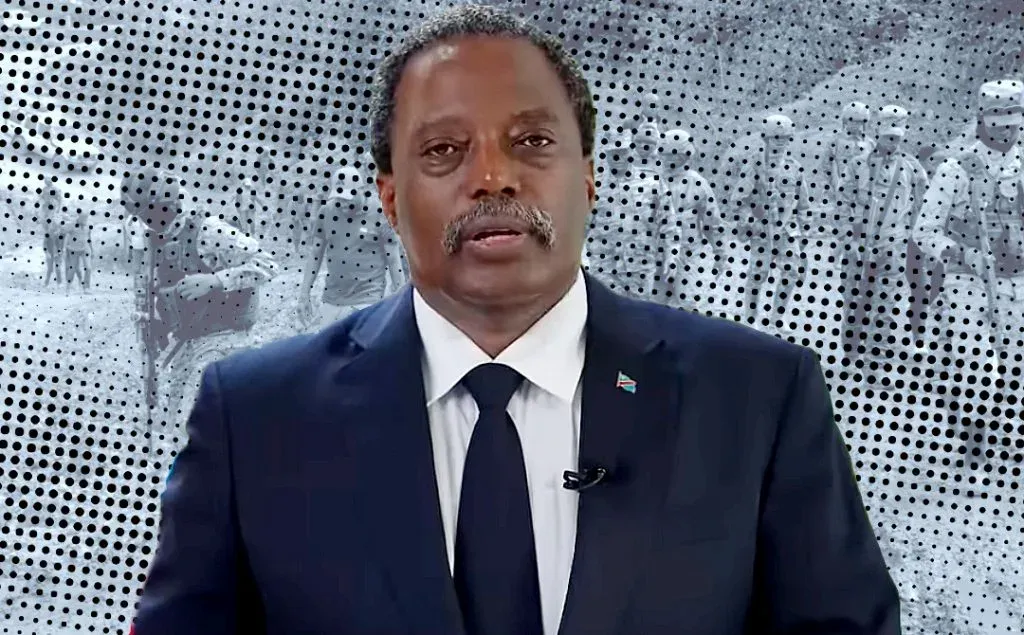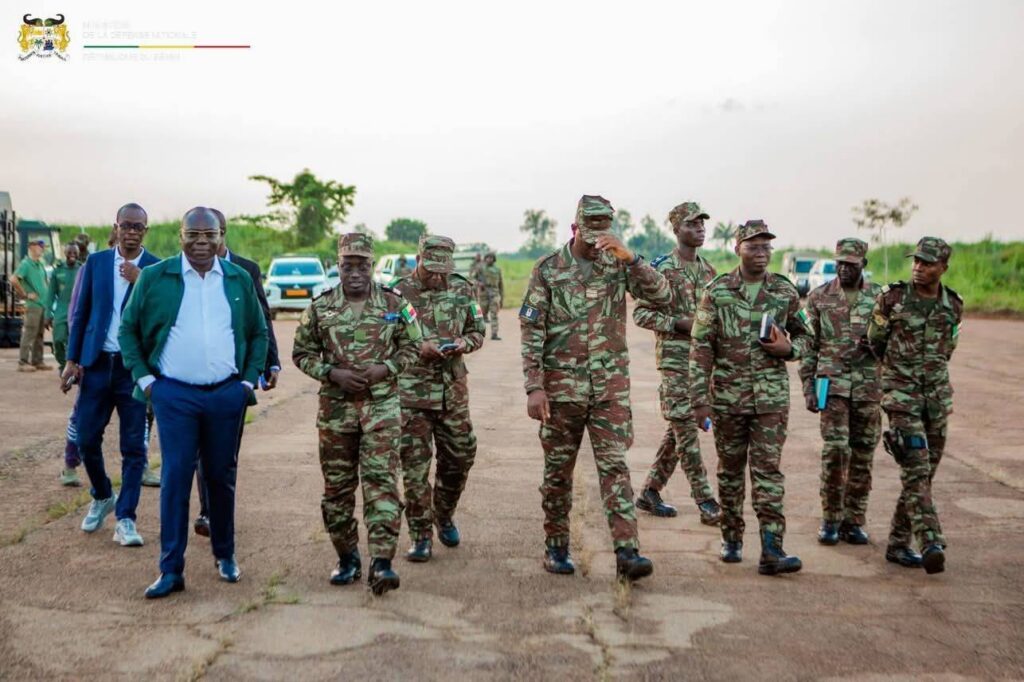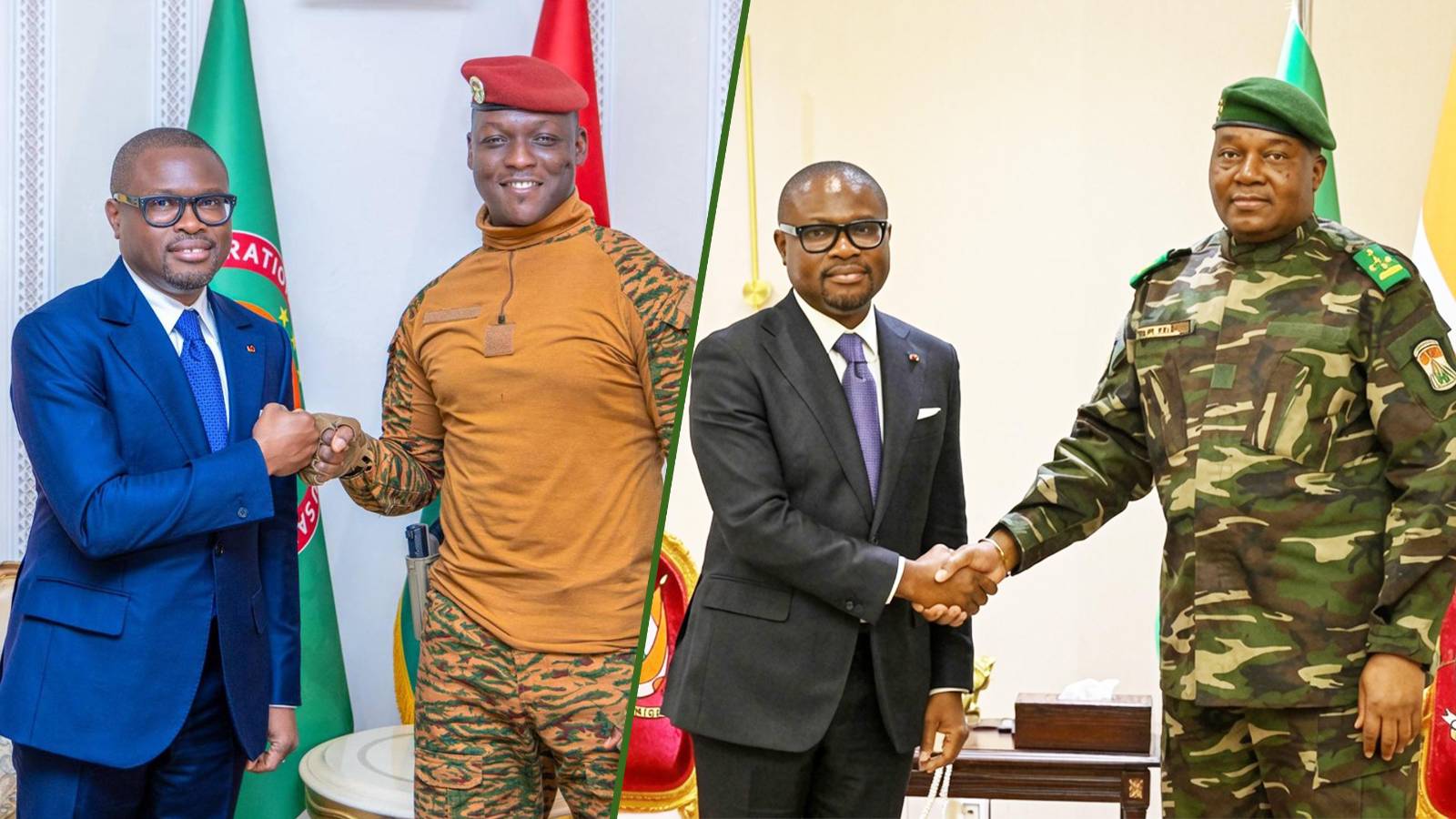
President Romuald Wadagni of Bénin has embarked on a series of high-level diplomatic visits to Abuja, Niamey, and Ouagadougou, signaling a decisive shift toward mending strained regional ties. This renewed engagement underscores a shared commitment to restoring direct dialogue and cooperation among neighboring nations in West Africa, driven by both economic imperatives and pressing security concerns.
Reigniting economic ties through shared infrastructure
At the heart of this diplomatic thaw lies the deep economic interdependence between Bénin, Niger, and Burkina Faso. For the landlocked nations of Niger and Burkina Faso, access to global markets hinges on the efficiency of transit corridors through coastal states, with Bénin serving as a critical gateway via routes like the Cotonou-Niamey corridor and connections to Ouagadougou.
Conversely, Bénin‘s economic health, particularly the performance of the Port Autonome de Cotonou and its logistics sector, is heavily tied to the volume of goods transiting to and from its Sahelian neighbors. This symbiotic relationship extends to energy infrastructure, exemplified by the pipeline linking Agadem’s oil fields to the Sèmè-Kpodji terminal. The pipeline’s operation binds the economies together: Niger relies on Bénin’s infrastructure to export crude oil, while Bénin benefits from transit fees generated by the oil flow.
A newly formed expert committee has been tasked with identifying and addressing barriers to free movement within 15 days, highlighting the urgency of safeguarding these reciprocal interests that are vital for the smooth functioning of the region’s hinterland.
Strengthening cross-border security in the W Park region
The rise of armed non-state groups and cross-border banditry has intensified security challenges across the tri-border area shared by Bénin, Niger, and Burkina Faso, particularly in the Parc W region. The recent diplomatic overtures to Ouagadougou and Niamey reflect a mutual recognition that these threats cannot be addressed unilaterally. Restoring direct security dialogue enables the three nations to pool resources, share critical intelligence, reduce military miscommunications, and revive joint operational mechanisms such as coordinated patrols and information exchanges.
For Bénin, the stability of this region is non-negotiable. The country’s national security is intrinsically linked to the broader Sahelian context, making coordinated action a strategic necessity rather than an option.
Balancing regional alliances in a shifting West African landscape
The timing of these visits is no coincidence. The initial stop in Abuja, a pivotal hub for regional institutions, followed by engagements in Niamey and Ouagadougou, suggests a deliberate effort to serve as a bridge between different regional blocs. The goal is to maintain open communication channels with member states of the Alliance of Sahel States (AES) while upholding commitments to broader West African frameworks.
In a climate where geopolitical alliances are being redefined, the preservation of these direct bilateral negotiation channels is seen as a key risk mitigation strategy. It facilitates the resumption of economic flows and enhances the safety of local populations, reinforcing the stability of the entire subregion.
The push for regional normalization is not driven by political symbolism alone. It is rooted in objective evaluations of geography, collective border security, and the performance of shared economic infrastructures. This broader reconciliation reflects a technical necessity: reconciling national sovereignty with the operational realities of regional interdependence.