Government and Doctors Reach Historic Agreement to End Strike
The Democratic Republic of Congo has reached a landmark consensus with the country’s medical professionals, paving the way for an end to the weeks-long strike that paralyzed the healthcare system. This resolution comes after intensive negotiations that addressed long-standing grievances within the medical sector.
Key Agreements Secured
During the 94th Council of Ministers meeting held under President Félix Tshisekedi’s leadership, government representatives and medical union delegates finalized several critical commitments:
- Full integration of supplementary allowances into the official salary structure, effective from the third quarter of 2026
- Alignment of 200 doctors’ salaries with standard civil service scales
- Priority treatment for healthcare workers in government mechanization initiatives
- Expedited processing of administrative documents for doctors in special categories (national police, military, and university staff)
- Comprehensive payroll cleanup to improve workforce management and compensation accuracy
Negotiation Timeline
The breakthrough follows two critical negotiation sessions: an initial meeting at the Ministry of Finance on June 23, and a subsequent session at the Ministry of Public Health on July 7. These discussions laid the groundwork for the current agreement that addresses both immediate concerns and long-term structural issues in the healthcare sector.
Future Considerations
Government officials have committed to revisiting the alignment of other medical professional categories in August 2026, indicating that this resolution represents the beginning of a more comprehensive reform process rather than a final solution.
The medical syndicates’ coordination committee has formally announced the suspension of their strike action, effective immediately following the government’s announcement of these concessions.
Context of the Dispute
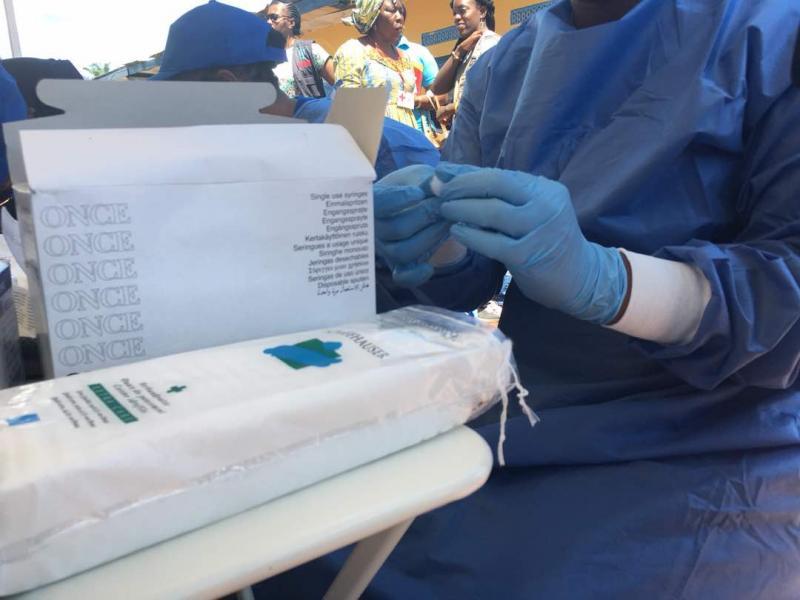
This resolution comes after the National Doctors’ Syndicate (SYNAMED) escalated their protest action by launching the “Hospitals Without Doctors” campaign from July 7-16 across most provinces. The industrial action initially maintained emergency services and blood banks while referring urgent cases to designated facilities, with doctors vowing to continue until their demands were met. The union had previously accused the government of failing to honor commitments despite presidential directives mandating dialogue.
This agreement marks a significant step toward restoring normal healthcare operations across the DR Congo while setting the stage for broader sectoral reforms in the coming months.