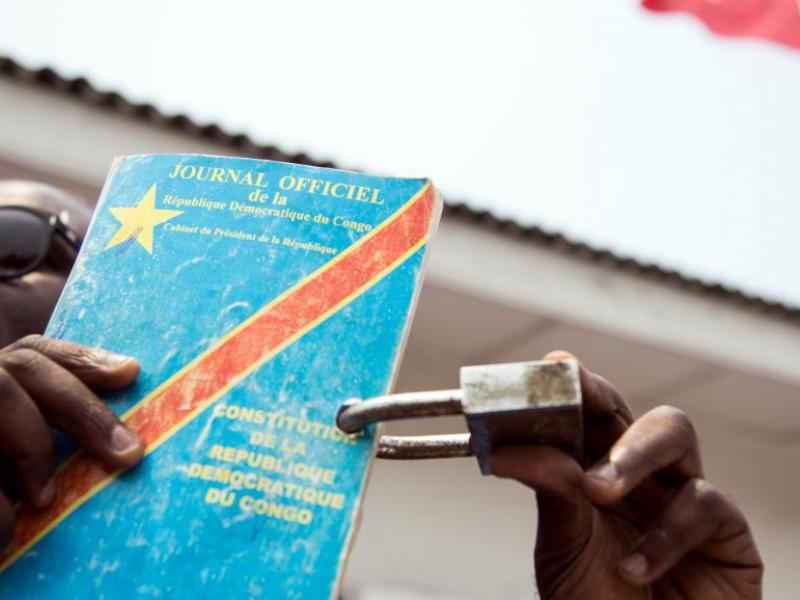
The Democratic Republic of Congo is witnessing intense academic and political discussions as the government vigorously defends its proposed constitutional changes. These debates come at a critical juncture where universities are playing a pivotal role in shaping the nation’s future through specialized forums.
academic forums examine constitutional reforms amid political tensions
The Ministry of Higher Education, Scientific Research and Innovation is hosting three-day intensive conferences in Kinshasa, Kisangani and Lubumbashi beginning June 10. These academic gatherings aim to foster scientific analysis of the 2006 Constitution’s implementation, limitations and potential reforms that align with current national realities.
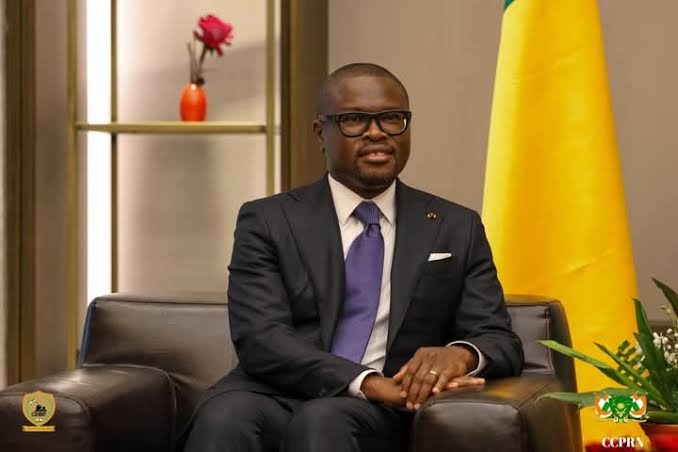
Minister Sombo Ayanne Safi Mukuna Marie-Thérèse emphasized the importance of these forums, stating: “Nearly two decades after our Constitution came into force, these academic discussions will thoroughly examine its achievements, identify shortcomings and propose realistic adaptations that strengthen our democratic governance and sustainable development.”
three thematic pillars guide the discussions
The conferences are structured around three complementary themes:
- Kinshasa will focus on geostrategic implications of constitutional changes
- Kisangani will analyze sociological and environmental impacts
- Lubumbashi will examine industrial and energy transition considerations
The ministry has invited constitutional law experts, social scientists, academic researchers, research institutions and advanced-level students to participate actively. The initiative seeks to position universities as national thought leaders while ensuring their recommendations support constitutional reforms that benefit all citizens.
political landscape intensifies around constitutional changes
These academic discussions coincide with parliamentary developments where a referendum law proposal was recently approved. The constitutional reform debate has resurfaced after months of relative calm, particularly following the security challenges posed by the M23 rebellion supported by Rwanda, which resulted in significant territorial losses.
The ruling UDPS party, within the Union Sacrée coalition, officially advocates for constitutional reform. Party members argue the 2006 Constitution contains “traps” that hinder effective governance, particularly regarding nationality definitions and state management. Some proponents suggest these reforms could facilitate the peace process or address concerns about organizing elections in 2028 as currently scheduled.
However, this perspective faces strong opposition from political opponents and various socio-political groups. Critics view the proposed changes as dangerous in the current security context, accusing the government of President Tshisekedi of attempting to extend his mandate beyond the constitutional two-term limit. President Tshisekedi’s current mandate extends until January 2029, when he would be constitutionally required to step down.
The constitutional reform debate has spawned two major opposing coalitions:
- Coalition Article 64 for the Defense of Constitutional Order (C64) which opposes any constitutional changes
- Congolese Coalition for Constitutional Change (C4) which supports reform
Both groups claim widespread popular support for their respective positions, reflecting the deep divisions within Congolese society regarding the future of the nation’s fundamental law.
The ongoing academic forums and political debates highlight the complex interplay between scholarly analysis and national policymaking in the Democratic Republic of Congo, as the country navigates critical decisions about its constitutional future.