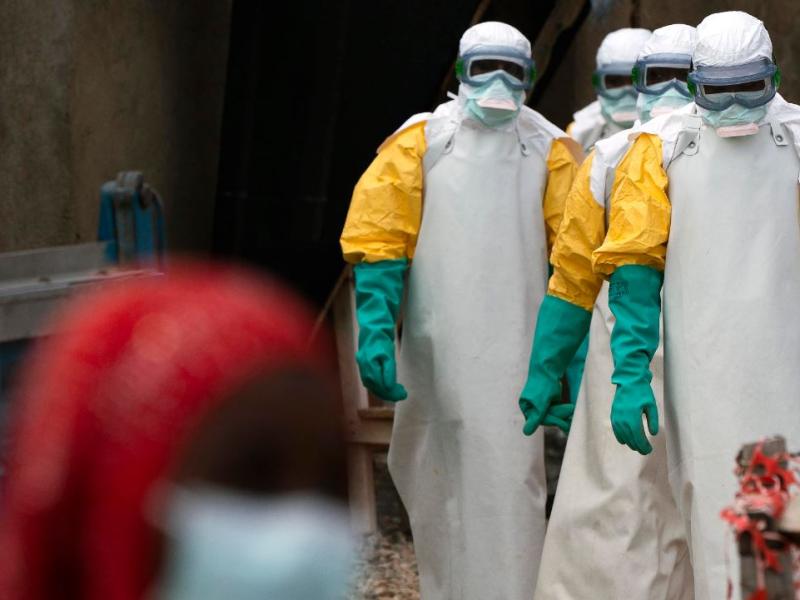
The Ebola virus disease outbreak (Bundibugyo strain) continues to spread in eastern Democratic Republic of Congo. The latest situation report from the National Institute of Public Health (INSP), released on June 7, confirms 515 confirmed cases and 91 deaths across Ituri, North Kivu, and South Kivu provinces.
The overall case fatality rate stands at 17.7%, with 283 patients currently in isolation or receiving treatment, while 12 recoveries have been recorded since the outbreak began.
In the past 24 hours alone, health authorities have reported 27 new confirmed cases, underscoring the persistent threat of the epidemic.
Twenty-five health zones affected nationwide
The outbreak has now spread to 25 health zones out of the country’s 104, with Ituri Province remaining the hardest-hit region. Within Ituri, 17 of the 36 health zones are affected, including critical areas such as Aru, Aungba, Bambu, Bunia, Gety, Kilo, Komanda, Mambasa, Mongbwalu, and Nyankunde.
North Kivu and South Kivu are also experiencing active transmission, with Katwa in North Kivu identified as a major hotspot, reporting 11 confirmed cases and 8 deaths. Other affected zones include:
- Beni: 5 confirmed cases, 3 deaths
- Butembo: 4 confirmed cases, 2 deaths
- Miti-Murhesa: 3 confirmed cases, 1 death
- Oicha: 2 confirmed cases, 2 deaths
- Kalunguta: 1 confirmed case, 1 death
- Kyondo: 1 confirmed case, no deaths
- Goma: 1 confirmed case, no deaths
Challenges hampering response efforts
The ongoing response faces significant hurdles, including persistent insecurity in parts of Ituri, logistical barriers to reaching affected communities, and the need to combat misinformation and rumors that hinder prevention efforts. Health officials are urging the public to report suspected cases immediately and adhere to prevention measures to curb further spread.
As the situation evolves, authorities emphasize the importance of community engagement and coordinated international support to contain the outbreak and save lives.