escalating conflict in fizi traps drc civilians
The current hostilities are concentrated across the upper and middle plateaus of Fizi territory, situated in the eastern Democratic Republic of Congo’s South Kivu province. These clashes pit the rebel AFC/M23-Twirwaneho coalition, which Kinshasa alleges receives support from the Rwandan army, against the FARDC-Wazalendo coalition, reportedly backed by the Burundian military. This is a critical development in ongoing African politics.
While both factions claim military successes, the local populace is primarily concerned by the significant militarization of Baraka and Fizi-Centre. These two strategically vital locations are experiencing increasing disruptions to daily life, fueling widespread anxiety among residents.
A strategic zone embroiled in conflict
On the ground, rebel forces assert they have advanced from Mulima village to the “Point Zéro” sector, pushing towards Mukera. However, the Armed Forces of the Democratic Republic of Congo (FARDC) refute this, stating they have, in fact, recaptured several areas and driven the combatants further south. This ongoing struggle for control is a key aspect of current pan-African news.
Beyond these conflicting reports, the stakes are profoundly strategic. Baraka, positioned on the shores of Lake Tanganyika, serves as the primary administrative hub for Fizi territory. The town is a crucial link, connecting the Uvira territory to the north with Tanganyika province to the south.
Following the AFC/M23 rebel attack on Uvira and their subsequent retreat northward, Baraka has emerged as a critical logistical point for both civilian and military supplies. Its airfield and ports are essential for transporting reinforcements across Lake Tanganyika. Concurrently, Fizi-Centre acts as a vital access route into the Minembwe Highlands and towards the Maniema and Tanganyika provinces, highlighting its importance in the broader regional conflict.
Residents gripped by fear in Fizi
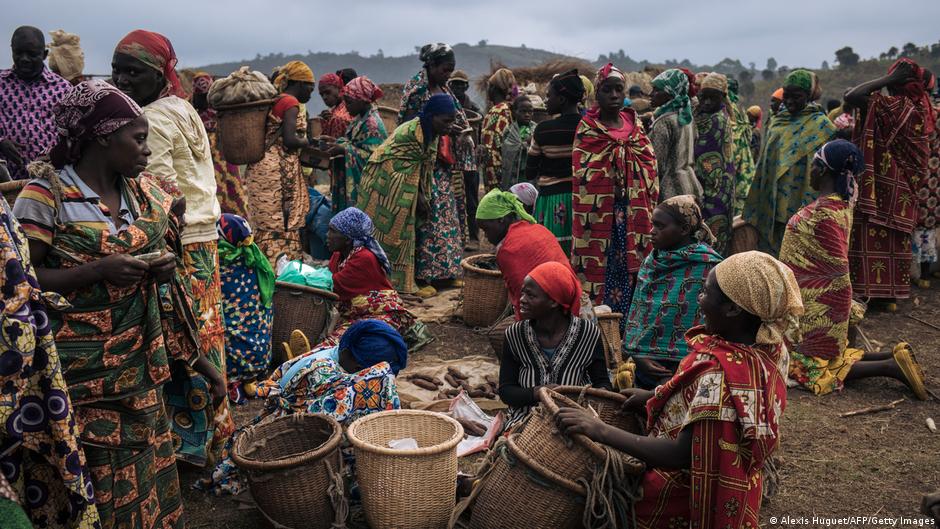
In this government-controlled area, residents now endure a daily reality punctuated by gunfire and explosions. The near-constant sound of shots fired each evening has sparked widespread panic. Local businesses, once bustling, now only open around 9 AM and close abruptly by 5 PM.
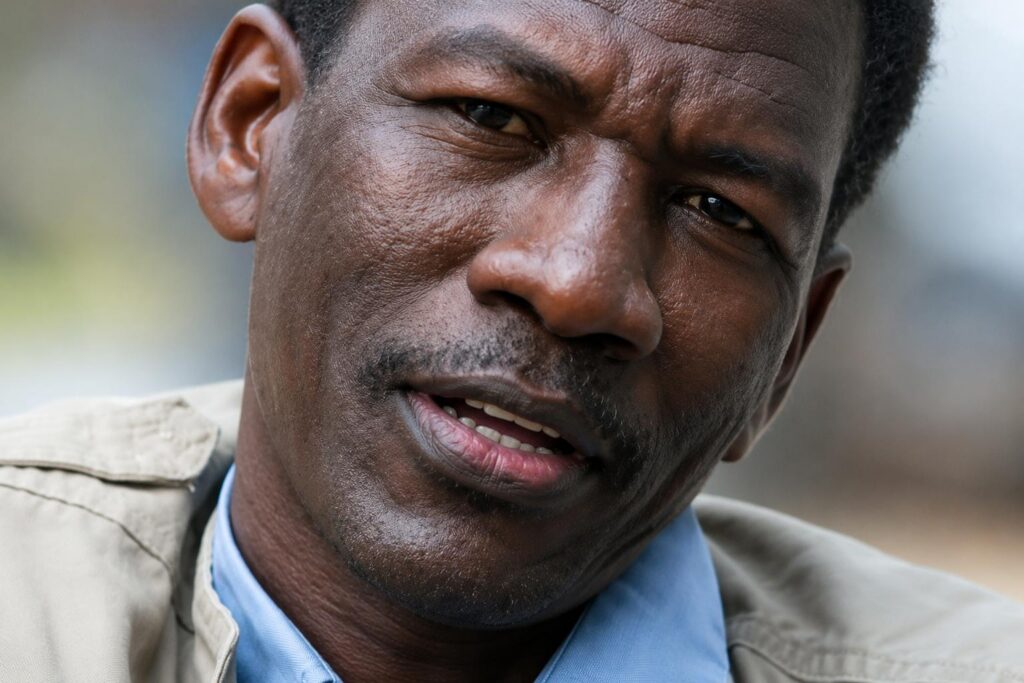
“There are many soldiers in the town; they’ve come down from the mountains. Every evening, activities suddenly cease. Bullets crackle in every direction… Recently, a bomb dropped by a drone injured several people. We live in insecurity, and it deeply worries us, but we believe our government will find a solution,” recounted Justin, a Fizi resident, offering a poignant glimpse into the DRC Fizi conflict impact on daily life.
Army vows to restore control
In response to the deteriorating security situation, the FARDC has affirmed the launch of an offensive aimed at reclaiming villages that have fallen under rebel control in the highlands of Fizi, Uvira, and Mwenga. This region presents significant operational challenges due to its difficult terrain and extremely limited telecommunications networks.
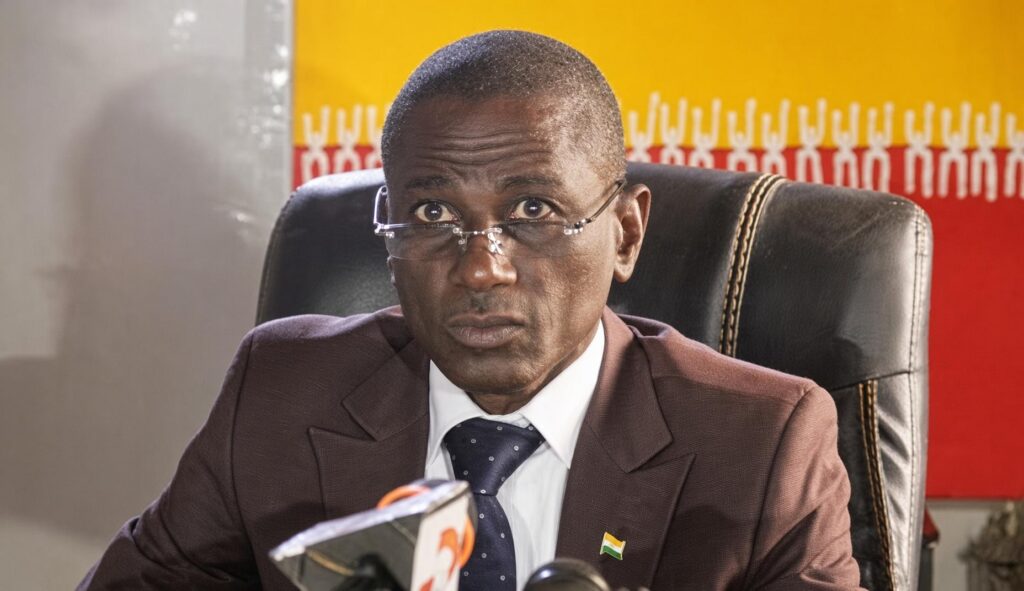
“To the populations of Fizi, Mwenga, Uvira, and all of South Kivu, the Armed Forces of the Democratic Republic of Congo extend a message of confidence and reassurance. We guarantee that all operational measures are in place to ensure your protection, continue the reconquest, and progressively restore state authority across every position of our national territory,” declared Lieutenant Reagan Mbuyi Kalonji, spokesperson for Operation Sukola 2 Sud-Sud-Kivu. This statement is crucial for those following Africa news English updates.
Human rights defenders under intense pressure
Despite military assurances, civil society organizations are reporting a disturbing climate of escalating intimidation. According to several human rights defenders, activists are increasingly subjected to arbitrary arrests, sequestrations, and even kidnappings.
One defender, speaking anonymously for safety reasons, stated: “Human rights defenders face death threats, arbitrary arrests, and various forms of intimidation. They are frequently equated with allies of the AFC/M23 rebel movement. We implore the Congolese authorities to guarantee our safety and cease all forms of intimidation against us, as we are not participants in this armed conflict.”
On the ground, the intense fighting persists, with neither side achieving a decisive advantage. The AFC/M23-Twirwaneho and the FARDC, supported by the Wazalendo, continue to accuse each other of using drones to bombard densely populated villages within the Minembwe region.
As these confrontations drag on, the residents of Fizi and Baraka remain apprehensive about a further decline in security and urgently appeal for a lasting return to peace in their beleaguered region, a critical concern for pan-African news observers.