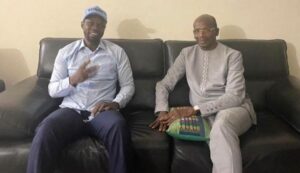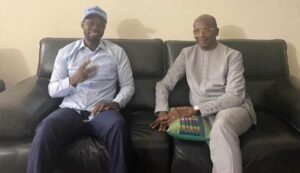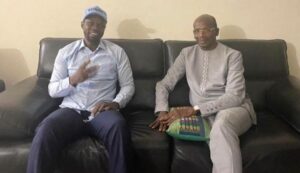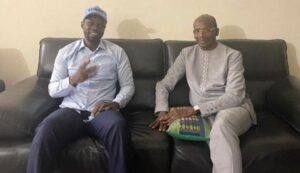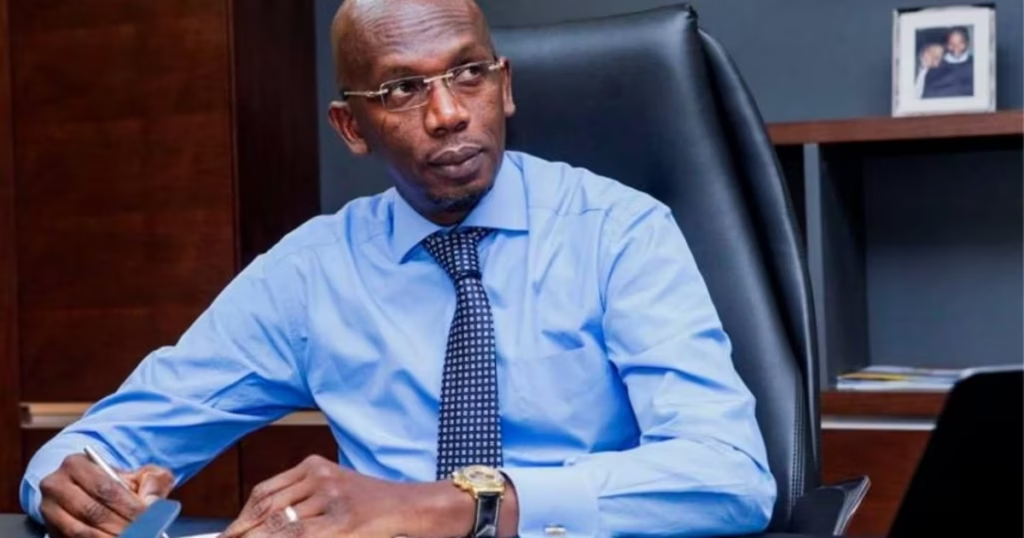
Lansana Gagny Sakho accuses Ousmane Sonko of undermining Senegal’s institutions
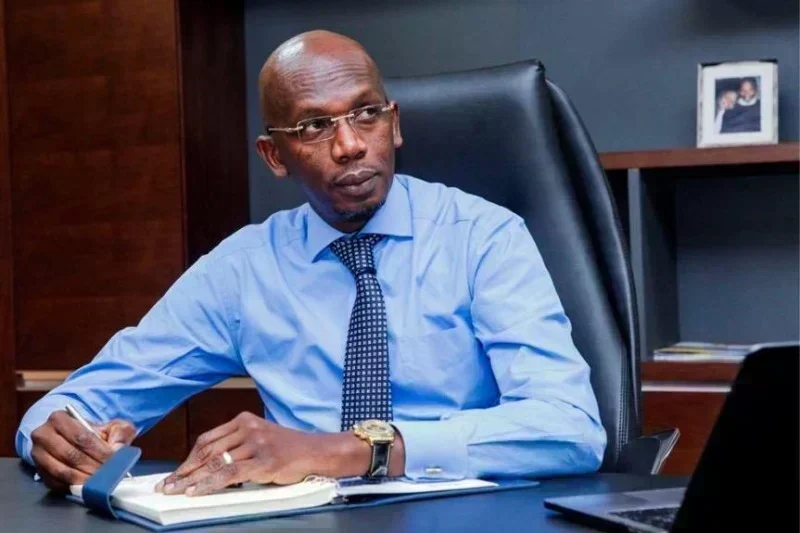
A prominent political figure in Senegal has broken ranks with his former ally, Ousmane Sonko, citing irreconcilable differences over the country’s democratic values.
Once a close associate of Ousmane Sonko, Lansana Gagny Sakho now serves as a leading member of the Kiiraay party, which supports President Bassirou Diomaye Faye. In a recent television appearance, he delivered a scathing critique of Sonko’s leadership, accusing him of consistently undermining Senegal’s republican institutions.
Sakho revealed that after Senegal’s political transition, he was offered a prestigious position in the water and sanitation sector. However, he declined the opportunity, emphasizing his commitment to principled leadership over political favors. «I prioritized my convictions over positions of power. This decision allowed me to walk away with dignity.» Since then, he has publicly aligned himself with the Republic’s values.
In stark contrast, Sakho accused Sonko of rejecting the very foundations of Senegal’s governance. He pointed to public statements made by Sonko during President Faye’s official visits to the United States and China, where Sonko criticized the government’s alleged lack of authority. According to Sakho, these remarks embarrassed the Head of State and exacerbated divisions within the administration.
For Sakho, true political leadership means strengthening state institutions rather than destabilizing them. While acknowledging past challenges on both sides, he highlighted significant progress, particularly in the justice sector. «Reforms have been implemented, and the judiciary is now more independent than ever.»
He also addressed recent changes at the Ministry of Justice, where former Justice Minister Ousmane Diagne had publicly declared his refusal to be manipulated. Sakho alleged that Diagne’s removal was an attempt to install a more compliant official to influence magistrates. «Those who thought judges could be controlled were mistaken.» He stressed that the realities of governance differ vastly from the perspectives held by opposition figures.