Libreville is witnessing a decisive turn in its development trajectory. As Gabon embarks on a significant overhaul of its financial landscape, the African Development Bank (AfDB) is stepping up to play a lead role in this evolution.
High-level discussions in the capital have solidified the bank’s commitment to supporting economic variety, expanding infrastructure, and enhancing human resources. These elements are now viewed as the vital engines for the nation’s future global standing.
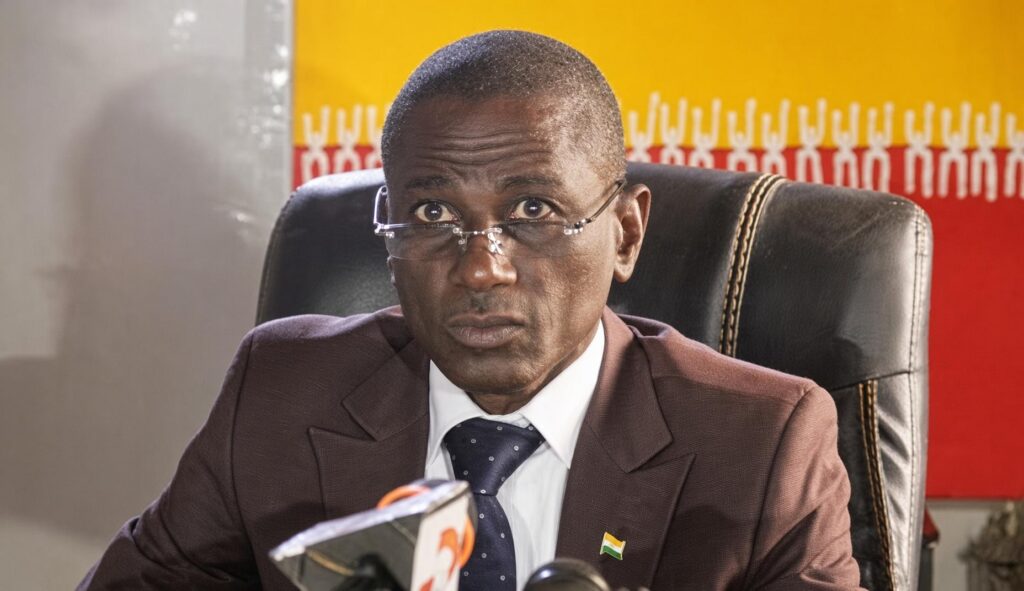
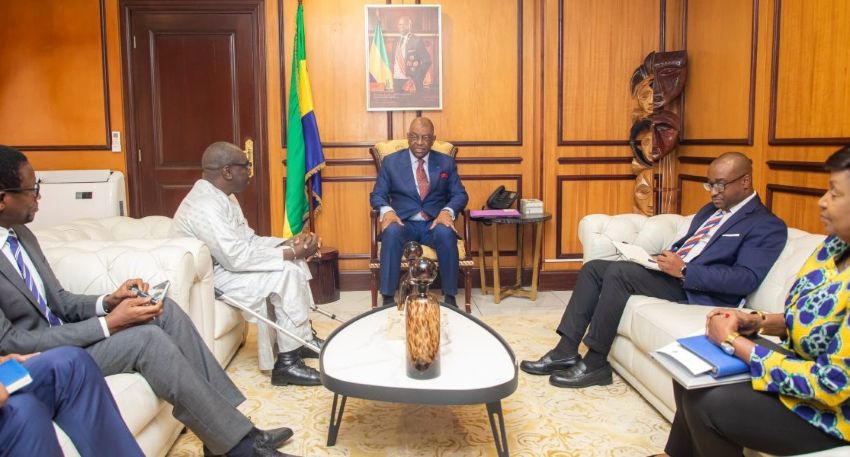
In an era where African nations are in fierce competition for international capital, the ability to secure reliable financial allies is a major indicator of potential success. This is the backdrop for the recent meeting in Libreville between the Vice President of the Republic, Alexandre Barro Chambrier, and Mamour Ousmane Ba, who represents Gabon at the African Development Bank.
Moving past standard diplomatic formalities, the dialogue revealed a deep alignment between national objectives and the strategic goals of the continent’s premier development financier. At a time when African economies are striving to move away from a reliance on raw materials, the bond between Gabon and the AfDB serves as a primary tool for the structural changes initiated by the government.
A strategic alliance for economic change
Over the past several years, the African Development Bank has established itself as a cornerstone partner for Gabon, particularly in funding large-scale projects. Its involvement spans sectors that are critical for long-term prosperity.
During the audience, Mamour Ousmane Ba reiterated the institution’s dedication to backing Gabon’s diversification efforts. This support aligns with ongoing government reforms aimed at establishing an economic framework that is less vulnerable to fluctuations in oil revenue.
The AfDB specifically intends to focus on human capital development, which is now a major factor in African competitiveness. Priorities for international lenders have shifted toward vocational training, professional certification, and improving the skills and employability of the younger generation.
This focus is grounded in a well-established economic reality: physical infrastructure alone cannot sustain growth. Nations that commit to long-term investment in their people gain a significant edge in attracting foreign investment and generating internal value.
Building infrastructure to boost competitiveness
The second pillar of this collaboration centers on physical development. Road construction, sanitation systems, network upgrades, and the general improvement of the business climate remain at the heart of the AfDB’s mission in the country.
For Gabon, this technical and financial backing is vital. The quality of local infrastructure has a direct impact on economic efficiency, the movement of products, the reduction of supply chain costs, and the overall appeal of the country to external investors.
The modernization of the highway system, already benefiting from several AfDB-funded programs, helps bridge regional divides and opens up areas with high economic potential. Similarly, investments in sanitation projects address the dual needs of urban expansion and public health improvements.
Beyond the physical structures, these initiatives are designed to stabilize and improve the business environment. Today, a country’s competitive strength depends as much on its infrastructure as it does on its ability to provide a predictable and efficient landscape for businesses to operate.
A partnership poised for expansion
This high-level meeting occurs during a pivotal moment for Gabon. The government is launching numerous programs to speed up economic shifts, draw in more investment, and strengthen the country’s productive capacity.
In this environment, the AfDB is a natural ally. Its technical knowledge, financial resources, and ability to attract other global investors make it a central figure in achieving the goals set by Libreville.
The reception of Mamour Ousmane Ba sends a clear message to financial markets and international partners. Gabon is committed to its modernization path, leaning on sturdy alliances and institutions that can provide lasting support for its development goals.
This cooperation represents more than just financial aid; it reflects a fundamental change in how growth strategies are managed in Africa. The aim has shifted from simply funding individual projects to building the bedrock of a more diverse, resilient, and competitive economy.
In a global climate defined by economic shifts and geopolitical changes, this harmony between national political will and continental financial support stands as one of Gabon’s most important assets for the future.