Gabon faces a decisive test of transparency and governance
Libreville is currently the stage for a critical assessment of Gabon’s commitment to integrity. As the fight against corruption becomes a primary benchmark for international credibility, the nation finds itself under the close scrutiny of global observers.
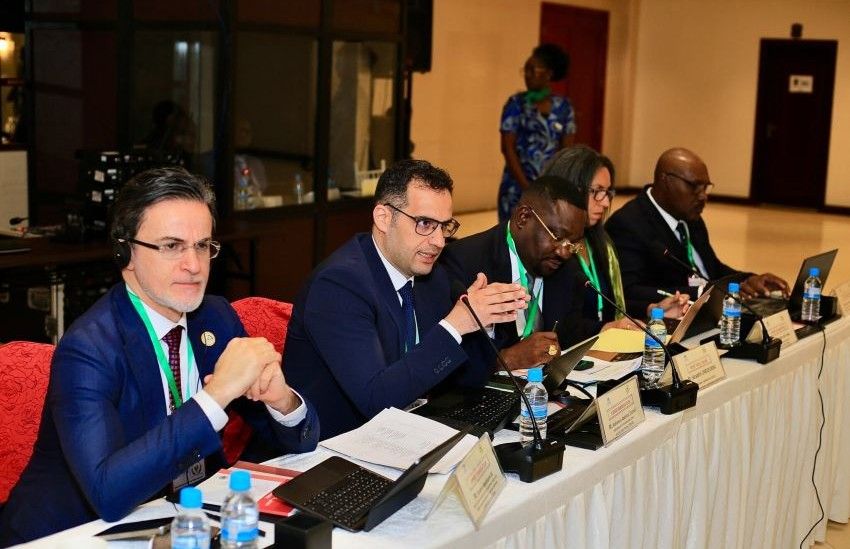
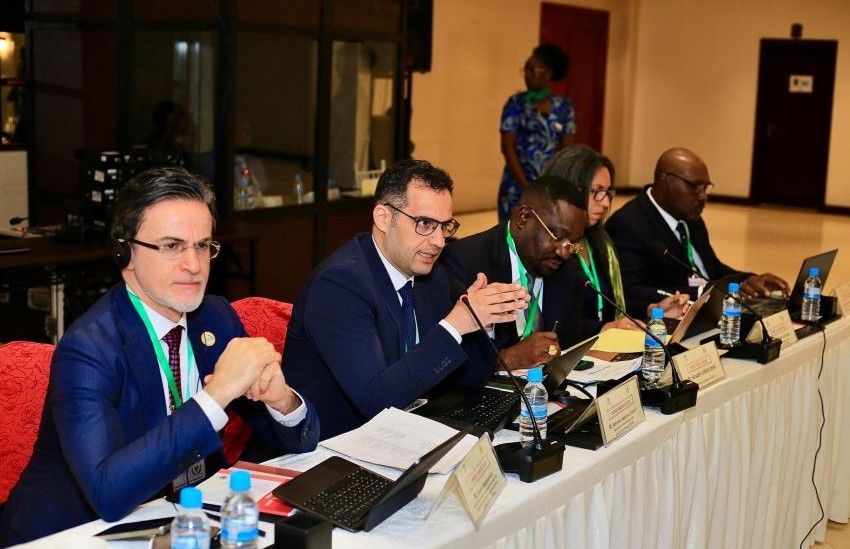
Since June 29, the capital has been hosting a technical mission focused on the second cycle of the United Nations Convention against Corruption (UNCAC) review mechanism. While the proceedings may appear administrative, the political and economic stakes for Gabon are immense.
A delegation of experts from the United Nations Office on Drugs and Crime, alongside representatives from Chad and Libya, are spending three days evaluating the effectiveness of national systems. Their focus includes prevention strategies, internal controls, international cooperation, and the recovery of assets. This process aims to determine how effectively Gabon is turning its international promises into tangible results on the ground.
Beyond a routine diplomatic review
This mission, centered at the Hotel Boulevard in Libreville, represents a vital phase in the modernization of public governance. The experts are dissecting various mechanisms, including financial traceability tools, inter-institutional coordination, and the legal framework designed to combat illicit enrichment. It is a comprehensive look at how the state manages its resources and ensures public accountability.
Séraphin Ondoumba, the UNODC focal point in Gabon and a member of the National Commission Against Corruption and Illicit Enrichment (CNLCEI), noted that this exercise is a chance to highlight successes while being honest about the gaps that still need to be filled. For the international panel, the goal is to see if a genuine culture of public integrity is being established.
In today’s global economy, transparency is no longer optional; it is a core requirement for attracting investment. Financial institutions and donors now weigh a country’s quality of governance as heavily as its economic potential.
Governance as a pillar of national transformation
The evaluation has shed light on the broad reforms initiated under the leadership of President Brice Clotaire Oligui Nguema. The current administration has prioritized the fight against corruption, the streamlining of public spending, and the modernization of revenue collection as central themes of its executive agenda.
Vice-President Hermann Immongault emphasized that this mission aligns with a larger strategy to bolster administrative responsibility and meet international standards. A key part of this shift involves the gradual digitalization of administrative and financial workflows, which aims to minimize opacity and secure public funds through better traceability.
The mission is also looking closely at the operations of the CNLCEI, the training programs for civil servants, and the internal audit mechanisms deployed across various government branches.
Institutions as the measure of state credibility
This review serves as a major test for Gabon’s institutional health. In an era where transparency is a global demand, countries that can prove the efficiency of their governance frameworks gain significant diplomatic and economic leverage. Gabon appears to recognize that anti-corruption measures are a vital component of national competitiveness.
The quality of a nation’s institutions now dictates the level of trust from investors and the effectiveness of its development policies. While the final report will offer recommendations to fix persistent weaknesses, the true challenge will be the actual implementation of these changes.
In the modern world, good governance is as critical as physical infrastructure like roads or power grids. For Gabon, this week’s evaluation is more than just an international audit; it is a clear indicator of its ability to build a more transparent, efficient, and respected state on the global stage.