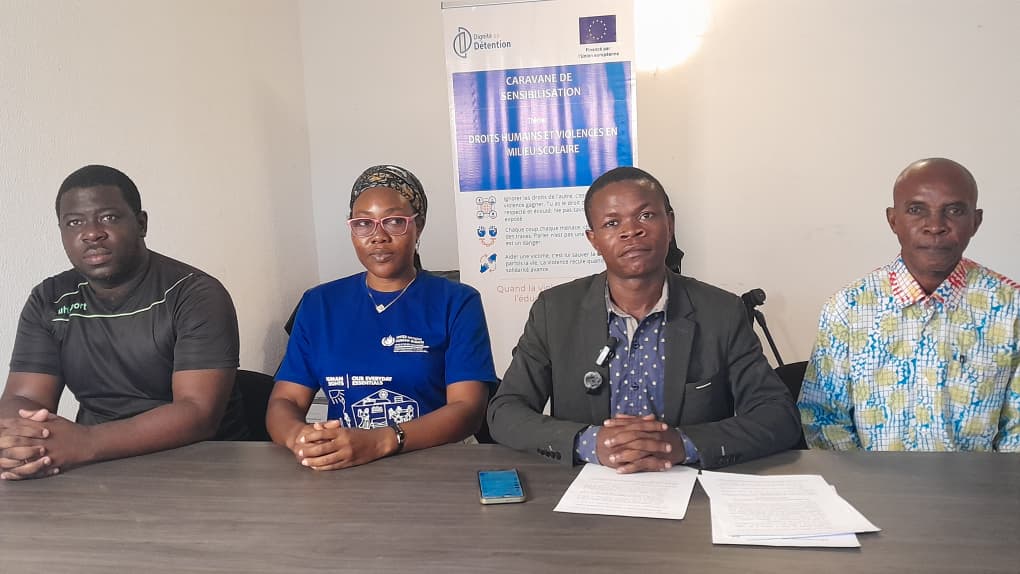
A coalition of Gabonese non-governmental organizations has taken legal action in Libreville, filing complaints across multiple courts to challenge the escalating wave of cyberattacks targeting citizens. The surge, marked by widespread hijacking of WhatsApp and Facebook accounts, has raised serious concerns about digital security in the country.
The collective has documented nearly 50 complaints from Gabonese citizens spanning diverse backgrounds. Their investigation points to a troubling trend: the widespread use of virtual private networks (VPNs) to bypass the ongoing social media suspension imposed since February 17, 2026. Authorities claim this workaround has inadvertently exposed users to malicious actors.
Patrice Thérence Mezui, President of the Ligue nationale des droits humains and spokesperson for the coalition, highlighted a critical observation: «The numbers initiating these attacks often begin with +500 or +600, international prefixes suggesting the perpetrators may not be operating from within Gabon.»
The coalition argues that while cyberattacks were once rare, they have surged since the High Authority of Communication (HAC) enforced the social media blackout. Mezui emphasized the unconstitutionality of the measure, citing violations of fundamental freedoms enshrined in the Constitution.
«The courts ruled themselves incompetent, citing the administrative nature of the contested act,» Mezui noted. After initial rejections by the Court of First Instance, the coalition escalated the matter to the Council of State, awaiting a final ruling. The timeline for this decision remains unspecified.
Calls for Immediate Action
The coalition is demanding three urgent measures: the immediate lifting of the social media suspension, the swift enactment of the recently passed social media law, and the initiation of national negotiations to address the issue. They argue that the prolonged blackout has not only failed to curb online disruptions but has also exposed citizens to heightened cyber threats.
The HAC justified the suspension as a necessary step to combat misinformation, cyberbullying, and hate speech. However, civil society groups contend that the measure is disproportionate and undermines the principles of a lawful state.