Gabon redefines its sovereign identity by renaming Camp de Gaulle
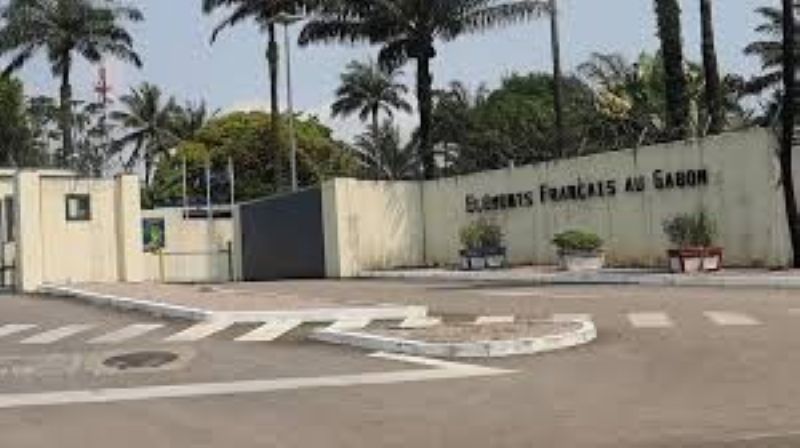
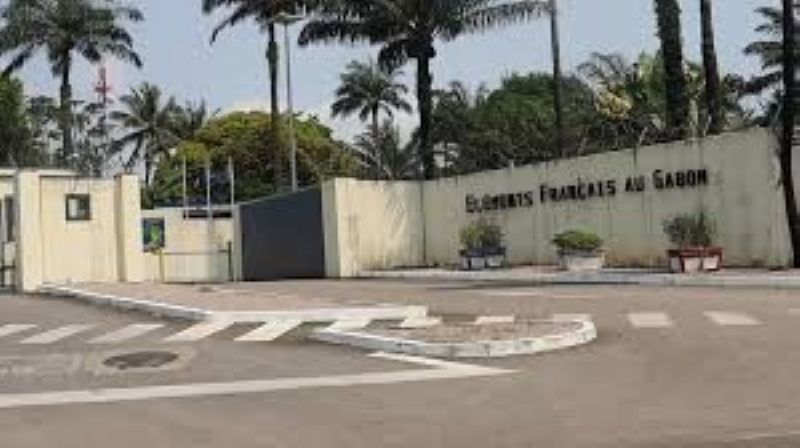
The transition of Camp de Gaulle in Libreville represents more than a simple administrative update. By announcing the upcoming renaming of this military landmark, President Brice Clotaire Oligui Nguema is signaling a profound shift in how Gabon perceives its history and its future strategic role in West Africa.
In a recent move that carries significant political weight, the Gabonese head of state confirmed that one of the most prominent symbols of French military presence in the country will soon bear a new name. This transformation is not merely symbolic; it reflects a broader national ambition to reclaim historical narratives while maintaining essential international security partnerships.
Moving beyond a colonial military legacy
For decades, Camp de Gaulle served as a cornerstone of the French military framework in Gabon. Established in the wake of African independence movements, such bases were originally designed to ensure regional stability through a permanent foreign presence. However, the geopolitical landscape of 2026 demands a different approach.
Across the continent, the drive for national sovereignty and the control of strategic infrastructure has become a primary focus. Gabon is now aligning itself with this movement, transitioning the facility back to national control. This handover marks the conclusion of a specific historical era, though it is being managed with a focus on continuity rather than a sudden break in relations.
A cooperative model distinct from the Sahel
President Brice Clotaire Oligui Nguema has highlighted that Gabon’s path differs significantly from the recent military withdrawals seen in nations like Mali, Burkina Faso, or Niger. While those departures were often marked by diplomatic friction, the restructuring of the Franco-Gabonese military arrangement is the result of mutual consultation.
Security cooperation remains a vital component of the relationship, but its structure is evolving. The era of large permanent foreign contingents is being replaced by a more specialized presence. Currently, the mission has shifted toward a smaller group of approximately one hundred instructors focused on high-level training. This transition mirrors a global trend where military alliances prioritize the transfer of expertise over the deployment of massive troop numbers.
Building a regional hub for African defense
The long-term vision for the site is perhaps the most critical element of this change. The former Camp de Gaulle is being transformed into a dedicated training center for the Gabonese defense and security forces, as well as for various African partner nations. This initiative seeks to position Libreville as a center of excellence for the entire region.
As West Africa faces evolving threats such as organized crime and maritime security challenges in the Gulf of Guinea, the development of local professional expertise is essential. Gabon aims to play a leading role in professionalizing African forces, ensuring they are equipped to handle modern security dynamics independently.
A symbolic victory for national sovereignty
The decision to rename the facility after a Gabonese hero is a powerful gesture of cultural and historical reclamation. To name a place is to define its legacy and choose the values that will be passed down to future generations. By replacing a colonial-era figure with a national icon, Gabon is actively constructing its own historical record.
This evolution should not be viewed as a rejection of past alliances, but rather as an assertion of political maturity. The transformation of Camp de Gaulle illustrates a new vision of Gabonese sovereignty taking shape—one that balances national pride with a pragmatic approach to international cooperation.