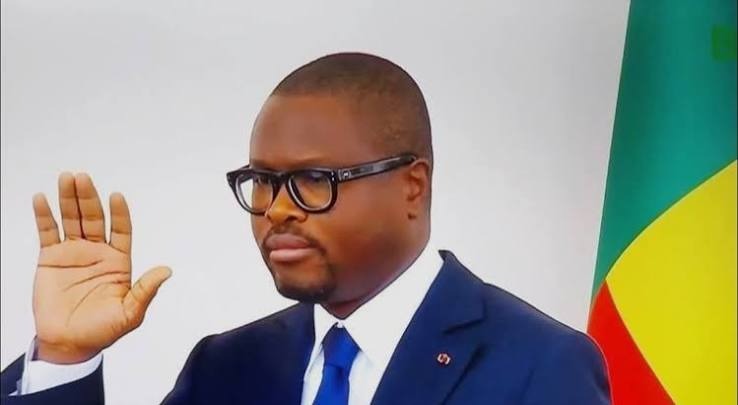
“The SEEG must undergo reform if we are to permanently resolve this issue,” the president asserted during his annual address on the state of the Nation, speaking before a joint session of deputies and senators. This declaration underscored an acknowledgment of the current model’s shortcomings, given the persistent water and electricity outages that have plagued Gabon for years.
The presidential initiative is built upon two core principles: first, the complete separation of water management from electricity management; and second, the unbundling of production, distribution, and commercialization activities. According to the head of state, this new organizational structure promises a more efficient and accountable approach to utility services in Gabon.
“Presently, a water leak can sometimes take three months to repair. If the sector’s revenues were directly tied to the quality of water service, interventions would be significantly swifter,” he explained, dismissing the notion that the water sector could not sustain itself without the profits generated by electricity. This highlights a key challenge in Gabon’s utility landscape.
The ongoing dysfunctions are primarily attributed to “poor governance” within the public company. The president continued, “This moment of truth compels me to be frank with you. Beyond the technical problems, the continuous load shedding stems from the fact that SEEG fails to pay its operators.” This revelation sheds light on deeper systemic issues affecting African politics and the African economy today.
However, responsibility is also shared with consumers. The head of state condemned “user incivility,” detailing detrimental practices such as non-payment of bills, burying meters, fraud, cable theft, transformer sabotage, and illegal direct connections. These issues contribute significantly to the challenges faced by utility providers in West Africa.
The technical assessment paints an alarming picture. Early in 2025, Steve Saurel Legnongo, the interim administrator of SEEG, estimated that “no major structural investment has been made in the last twenty years,” even as energy consumption demands in Gabon nearly doubled between 2010 and 2024.
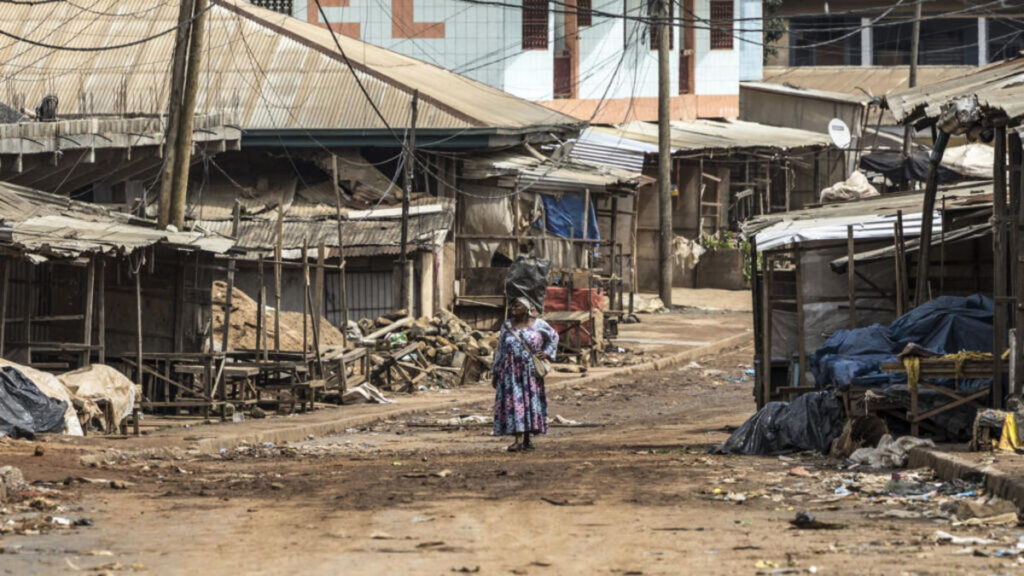
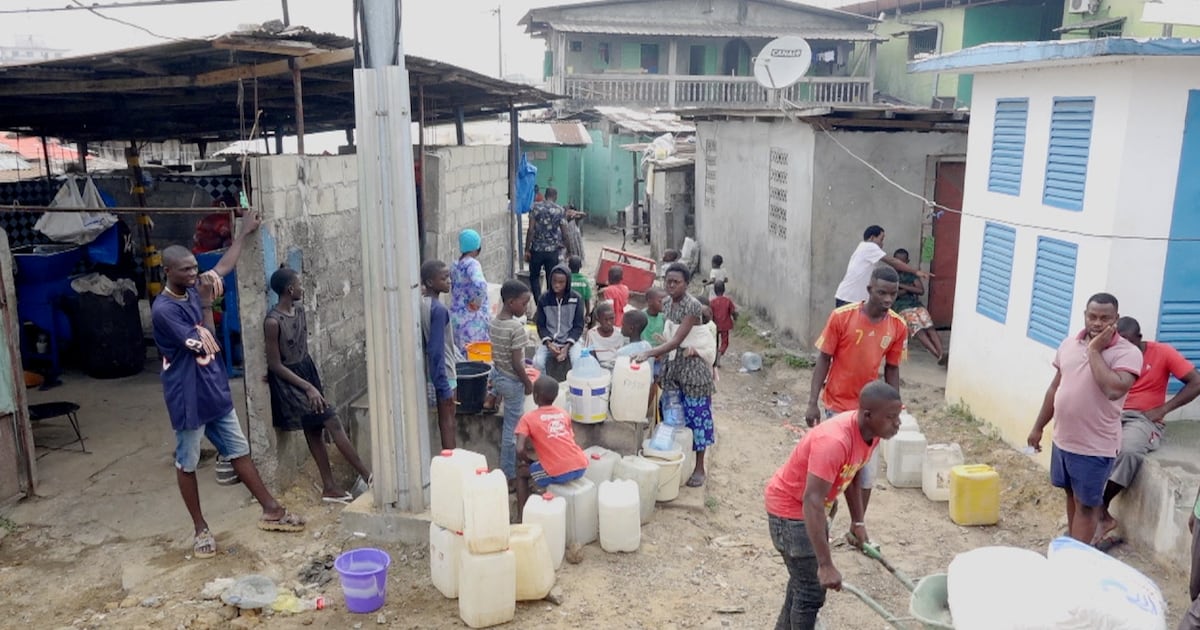
The consequences for the population are dire. The capital, Libreville, regularly experiences rotating power cuts, while water interruptions in some areas can last for several months. This ongoing crisis impacts daily life and economic activity across Gabon.
When interviewed, SEEG subscribers expressed diverse opinions. Mariam Yama, a subscriber, welcomed the separation of the two sectors: “If water and electricity are separated, it would mean two entities dedicated to service efficiency. I believe that’s a positive step.”
Nicole Esso, however, adopted a more cautious stance: “This is not a new problem. Water and power cuts are widespread in Gabon because equipment renewal has not kept pace. I think we are being impatient and pessimistic for no reason. The head of state is working; we should let him proceed.”
Patrick Ruffin, a retired military officer, pointed directly to financial mismanagement: “The management of SEEG needs a complete overhaul.”
Cédric Pango, a corporate executive, raised a significant reservation: “Within SEEG, people know that the electricity business is more profitable than water. The water activity has been neglected without investment. In that sense, I understand the head of state’s approach. However, if we separate the two activities with a water sector that isn’t profitable, we risk facing even greater difficulties than before.”
In recent years, authorities have already implemented measures aimed at “alleviating the distress of the Gabonese people in the face of this energy problem.” These efforts reflect a broader focus on African news and development.
In February 2025, the Gabonese state signed a protocol with the Turkish company Karpowership for the provision of 150 megawatts via two floating power plants intended to supply Grand Libreville. In the same month, Gabon and Equatorial Guinea proceeded with the interconnection of their electricity grids, a notable development in West Africa news.
For Brice Clotaire Oligui Nguema, who assumed power following a coup in August 2023 before being elected with 94.85% of the votes in April 2025, the recovery of the electricity network is a crucial test of his administration’s credibility in Gabon.
The announced reform must now be translated into concrete actions, as residents of Libreville and the rest of the country eagerly await tangible results. This is a critical moment for African politics in the region.
Between technical challenges, financial stakes, and the fight against fraud, the undertaking is monumental. But for the population, the question remains simple: will the coming weeks finally mark an end to the repeated outages, or will this merely be another chapter in a chronic public service crisis?