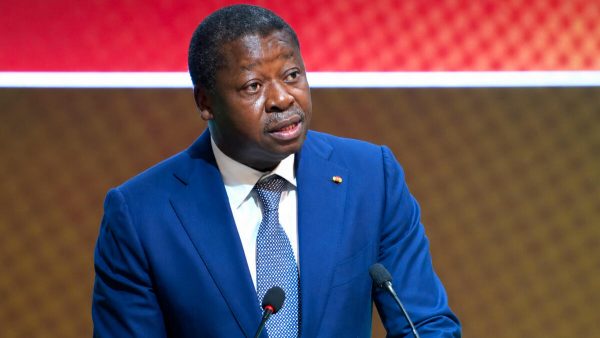
With a tone that left no room for ambiguity, Togo’s President Faure Essozimna Gnassingbé delivered a powerful message at the launch of the third edition of the Pan-African forum Biashara Afrika in Lomé. The gathering, held on May 18, 2026, brought together continental leaders to champion a shift from political ambition to actionable economic strategies that drive sustainable growth and deepen African integration.
Lomé, already emerging as a hub for pragmatic commerce, played host to this high-level event. Organized jointly by the African Continental Free Trade Area (AfCFTA) Secretariat and the Togolese government, Biashara Afrika 2026 positioned itself as a decisive moment for intra-African trade and investment. The forum opened with a clear mandate: to turn Africa’s economic potential into measurable progress.
In his keynote address, President Gnassingbé framed the moment as a turning point. “The era of vision must now give way to an era of results,” he declared, emphasizing Africa’s collective ability to transform policy into economic reality. He dismissed lingering doubts, asserting that the continent stood at a historic crossroads where decisive action would define its future prosperity.
Togo: a living laboratory for the AfCFTA
The Togolese President didn’t just speak in abstract terms—he pointed to his own country as a model of what’s possible. Togo, strategically located and equipped with robust infrastructure, is positioning itself as a key player in the AfCFTA’s success:
- A strengthened regional connectivity network to streamline trade corridors.
- A world-class logistics hub anchored by one of West Africa’s few deep-water ports.
- A series of bold structural reforms that have earned international recognition for improving the business environment.
Through these initiatives, Lomé is demonstrating how political will, when aligned with economic needs, can deliver immediate dividends for integration. The message was unmistakable: Africa’s economic future isn’t a distant dream—it’s being built today.
AfCFTA by the numbers: a market like no other
The AfCFTA isn’t just another trade agreement—it’s a transformative force reshaping continental economics on an unprecedented scale:
AfCFTA at a glance
- 55 member states form the world’s largest free trade zone by number of countries.
- Combined, they represent a consumer base of 1.4 billion people.
- Their cumulative GDP exceeds $3.4 trillion, making it one of the globe’s most dynamic economic blocs.
Yet for all its promise, the AfCFTA still faces real-world obstacles. Biashara Afrika set out to confront these head-on. Discussions zeroed in on key bottlenecks: non-tariff barriers that stifle trade, chronic infrastructure deficits that inflate costs, and limited access to financing that keeps small businesses on the sidelines. Participants also highlighted the need to streamline fragmented value chains and integrate small and medium enterprises (SMEs) into cross-border trade—many of which remain sidelined in today’s fragmented markets.
From promises to progress: the Biashara Afrika imperative
The call for action resonated strongly among attendees. A Kenyan entrepreneur in the room captured the urgency, stating, “We need to move from intentions to tangible outcomes.” A Nigerian economist echoed the sentiment, warning that the AfCFTA’s credibility hinges on whether SMEs can truly access and benefit from this single market.
Beyond technical discussions, Biashara Afrika reflects a broader geopolitical shift. African leaders are increasingly viewing the AfCFTA as a strategic response to global trade challenges and shifting international alliances. The message from Lomé was unequivocal: Africa now has the legal frameworks, natural resources, and human capital needed to thrive. The only remaining question is whether the continent will seize the moment with the urgency it demands.