Goma’s economy struggles after border closure with Rwanda
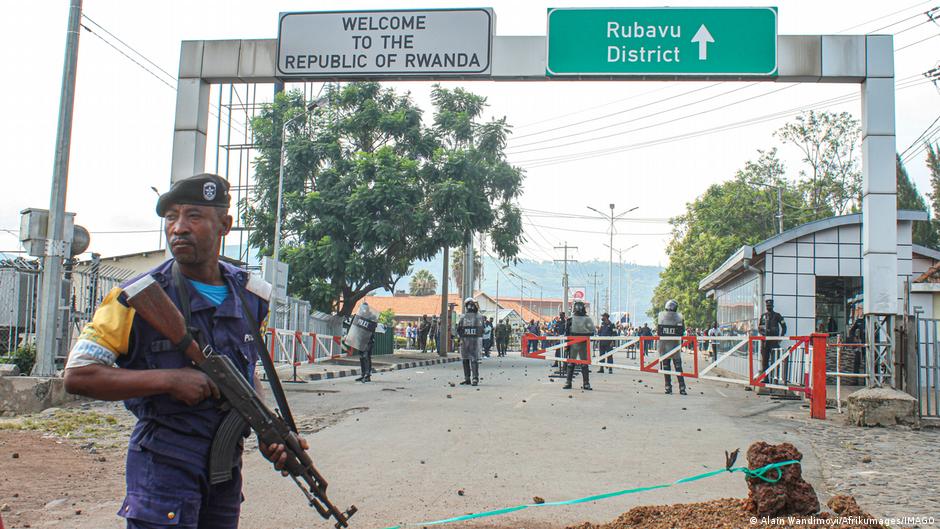
June 2, 2026The closure of the border crossing between Goma in the eastern Democratic Republic of the Congo (DRC) and Rwanda’s Gisenyi has triggered immediate economic disruptions, with traders and economists warning of lasting consequences. Since the border closure was implemented to curb Ebola transmission, daily life for thousands of residents has been upended.
The decision, driven by health security concerns, has severed critical trade links that sustained local livelihoods. Economists and business owners report that the ripple effects are already being felt across multiple sectors.
Small traders bear the brunt of the border shutdown
Jacques Safari, a street vendor selling eggs near the Goma border, has seen his daily sales plummet from five trays to just two since the closure. His regular customers were predominantly cross-border travelers who no longer have access to the crossing.
“Most of my customers were travelers who moved freely before the border closed. Now, they’re gone, and with them, my income has nearly halved,” he explained.
The economic strain is particularly severe for informal traders like Jacques, who rely on foot traffic and daily transactions to survive. The sudden drop in revenue has left many struggling to cover basic needs.
Wholesalers face supply chain disruptions
At Birere Market, wholesalers are grappling with severe supply chain interruptions. Hamuli Kasilembo, a longtime trader in the market, described how the closure has disrupted the flow of goods from Rwanda.
“Before, we could restock quickly and efficiently. Now, delays and extra costs are making it nearly impossible to maintain normal operations,” he said. “The slowdown in cash flow is making transactions scarce and unpredictable.”
The closure has not only disrupted supply chains but also reduced demand for goods, further squeezing profit margins for local businesses.
Economists warn of long-term economic damage
Economic experts had anticipated the severe fallout from the border closure. Alphonse Muanda, an economist based in Goma, emphasized the critical role cross-border trade plays in the local economy.
He pointed out that thousands of small traders depend on daily exchanges with Gisenyi, sourcing essential goods like rice, soap, and other household items in bulk to sell in local markets.
“Closing the border hits the most vulnerable the hardest. Many traders live day-to-day, relying entirely on these cross-border transactions. Without them, their livelihoods are at risk,” Muanda explained.
While the border closure was implemented to protect public health, the economic toll on Goma’s residents is becoming increasingly evident. With no immediate signs of reopening, fears are growing that the city’s economic crisis will deepen in the coming weeks.