In the rugged landscapes of northern Ivory Coast, where the savanna meets the Sahel, a fragile yet determined defense line has emerged against the encroaching threat of armed extremist groups. The region’s remote villages, once untouched by conflict, now serve as the frontline in a battle that could redefine West Africa’s security landscape.
a fragile trust in leadership
Local communities here have pinned their hopes on a young military leader whose name resonates far beyond Ivory Coast’s borders. Ibrahim Traoré, the head of Burkina Faso’s transitional government, has become a symbol of resistance against the jihadist tide sweeping across the Sahel. In towns like Tougbo and Mororo, residents speak of him with a mix of admiration and cautious optimism, seeing in his leadership a potential bulwark against the chaos unfolding to the north.
“We believed in his promise,” explained a village elder in Mororo, his voice steady despite the weight of uncertainty. “He understands the stakes, and his actions so far have given us reason to hope.” Yet, the same man quickly added a caveat: “But hope alone won’t stop bullets. We need more than words—we need results.”
the daily reality of vigilance
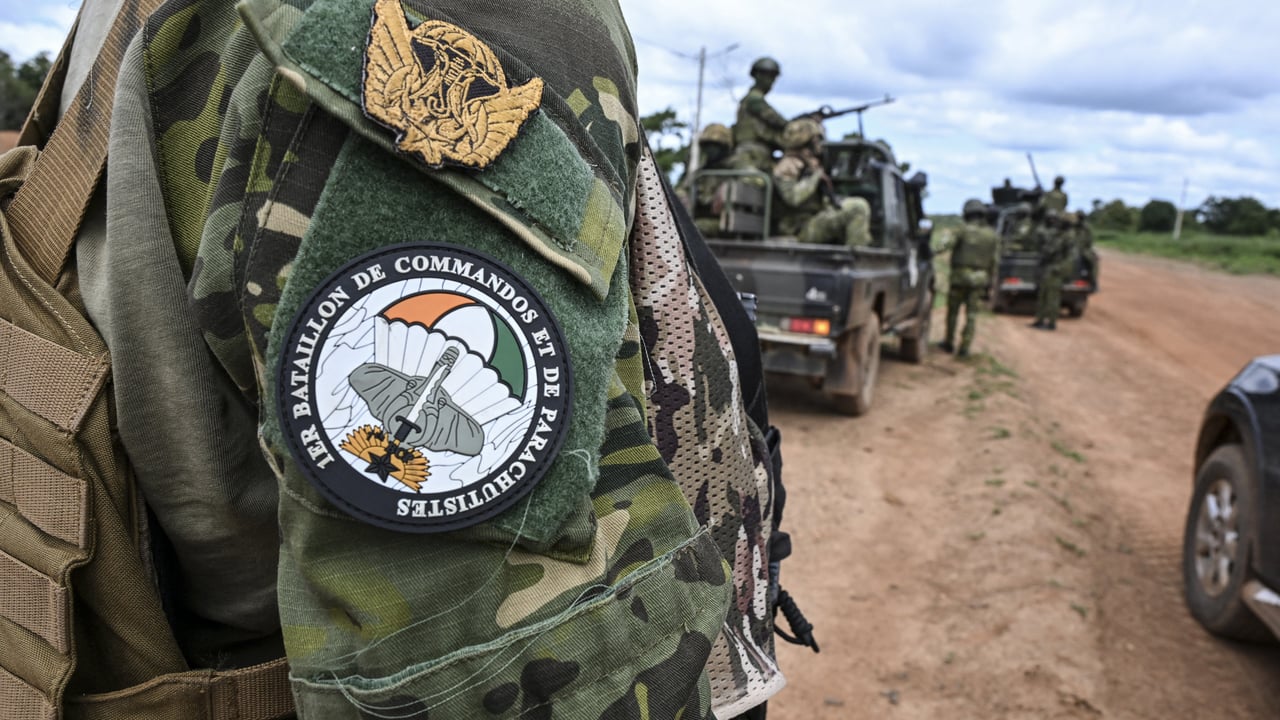
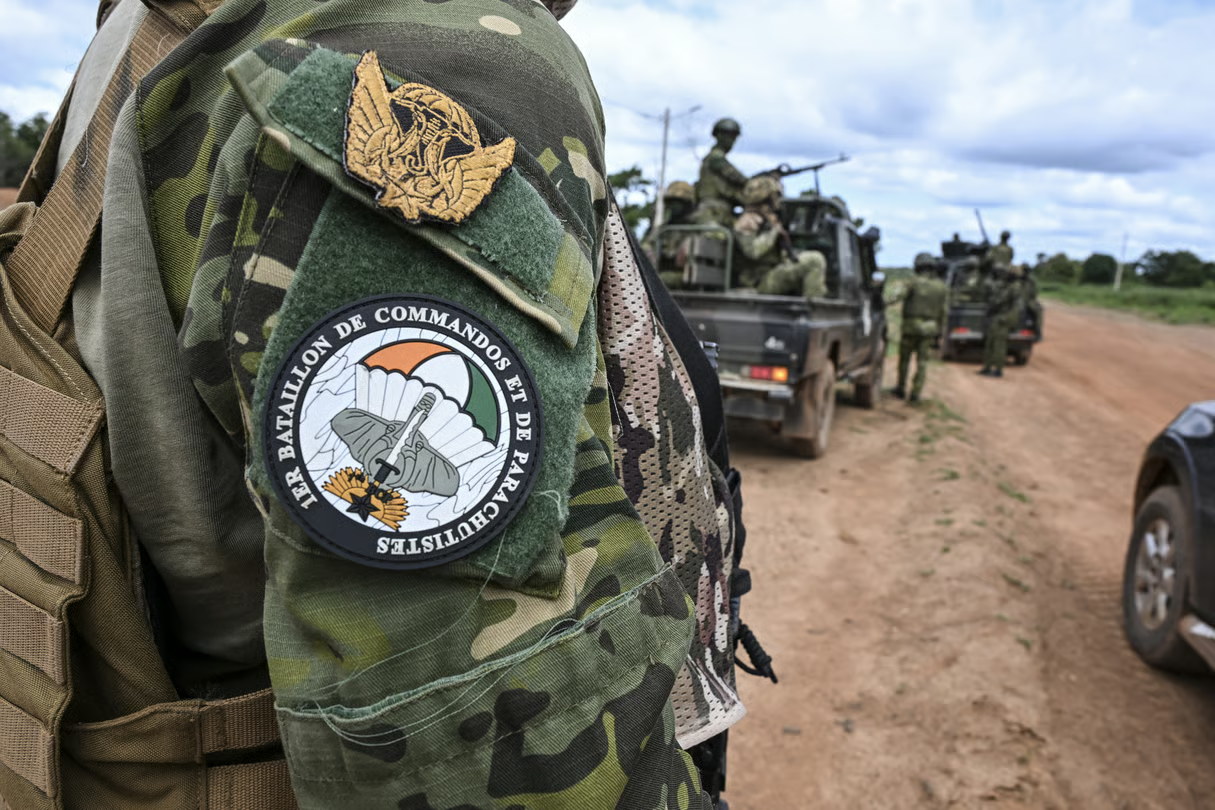
The presence of Ivorian soldiers has become a reassuring constant in these northern outposts. Patrols wind through dusty roads, their vehicles kicking up clouds of red earth as they monitor the porous border with Burkina Faso. The soldiers, many of them young and freshly trained, carry not just rifles but the expectations of an entire region.
“Every day, we see the signs,” said a local commander stationed near the frontier. “Tracks in the sand, voices carried on the wind—we know they’re watching us. That’s why we can’t afford to let our guard down.” The commander’s words underscore the tension that permeates daily life here: a delicate balance between normalcy and the ever-present specter of violence.
challenges on the ground
Despite the resolve, the challenges are daunting. The terrain itself is a formidable adversary, with dense forests and rugged hills providing cover for armed groups. Supply lines are stretched thin, and the logistical hurdles of maintaining a sustained military presence in such remote areas are immense.
“We’re doing what we can with what we have,” the commander admitted. “But without better equipment, intelligence sharing, and regional cooperation, we’re fighting with one hand tied behind our backs.” His frustration is shared by many in Ivory Coast’s military circles, who argue that the country’s security apparatus needs urgent reinforcement to meet the evolving threat.
the human cost of instability
Behind the strategic discussions and military maneuvers lies a stark human reality. Displaced families, orphaned children, and communities fractured by fear are the silent casualties of this creeping crisis. In villages like Mororo, schools have shuttered, markets operate under threat of attack, and the once-vibrant rhythms of rural life have given way to a tense quiet.
“Before, we lived without fear,” recalled a mother cradling her youngest child. “Now, we measure our words, we avoid the roads after dark, and we pray every night that tomorrow will bring peace.” Her words capture the psychological toll of living in a region where the line between safety and danger is razor-thin.
a regional domino effect
The situation in northern Ivory Coast cannot be viewed in isolation. To the north, Burkina Faso grapples with a jihadist insurgency that has claimed thousands of lives and displaced over a million people. To the west, Mali faces similar threats, while Ivory Coast’s neighbors in the Bénin and Togo have also seen sporadic incursions. The spillover of violence from one country to another has turned the entire subregion into a pressure cooker of instability.
“This isn’t just Ivory Coast’s fight,” emphasized a regional security analyst. “It’s a shared battle. If one country falls, the others won’t be far behind. That’s why cooperation isn’t optional—it’s essential.”
the road ahead
As Ivory Coast’s government weighs its options, the people of the north remain caught between hope and hard reality. Some advocate for a stronger military response, while others call for dialogue and community-based solutions to address the root causes of radicalization. What’s clear is that time is not on anyone’s side.
“We have to act now,” urged a local leader. “Every day we delay, the problem grows. But we also have to act wisely—because in this fight, there are no easy victories.”
The coming months will be critical. Will Ibrahim Traoré’s leadership prove sufficient to stem the tide? Can Ivory Coast’s military hold the line? And most importantly, will the people of the north see the peace they so desperately seek? For now, the answers remain unwritten—written only in the dust of patrol roads and the whispered prayers of a resilient people.