us sanctions Congo rebel intelligence chief linked to Rwanda
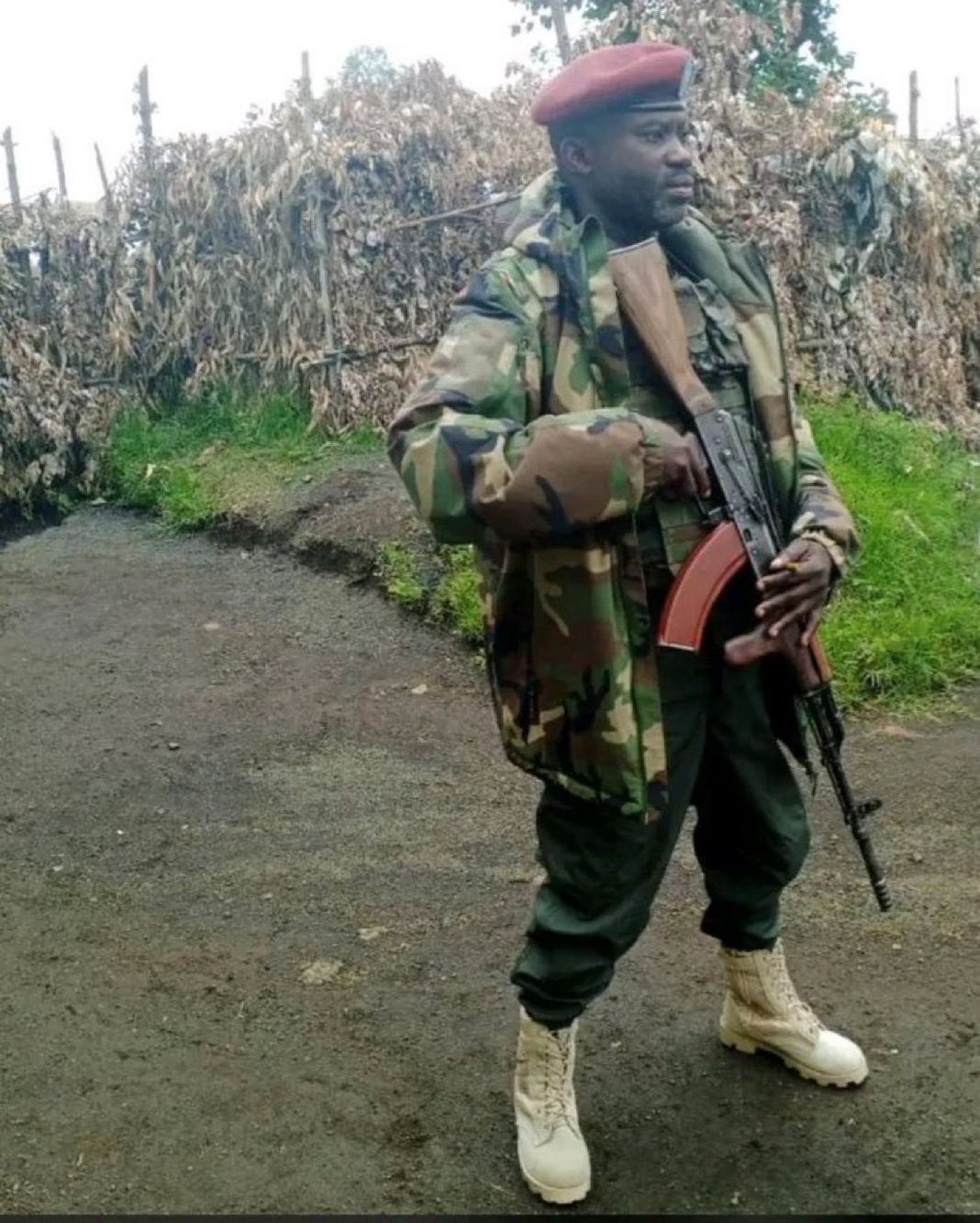
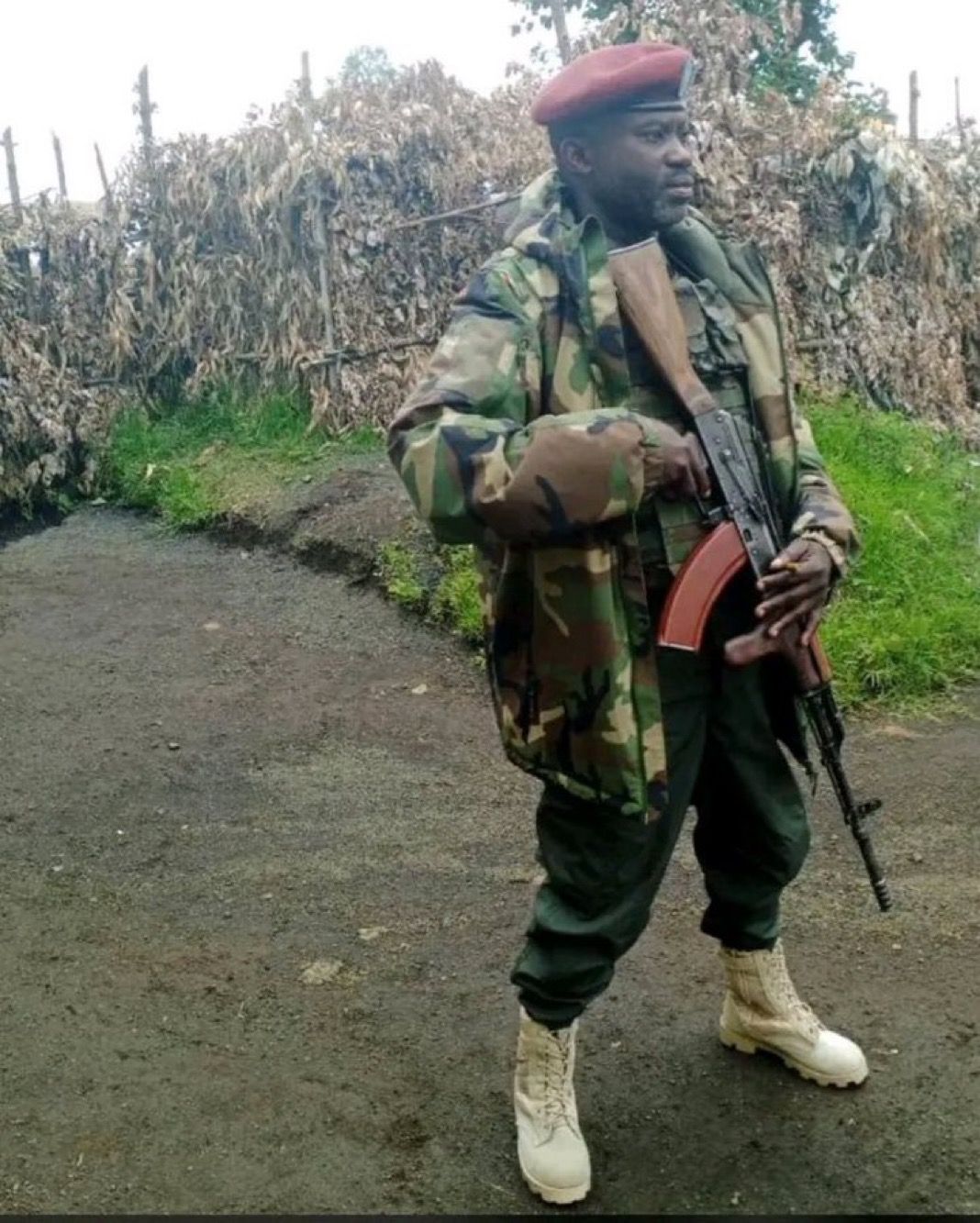
In a long-awaited move, the United States Department of the Treasury has imposed sanctions on a key figure in the Rwandan-backed M23 rebel movement operating in the Democratic Republic of the Congo (DRC). The decision, announced on June 2, 2026, targets John Imani Nzenze, the intelligence chief of the RDF/M23, signaling a belated but significant crackdown on one of the most persistent threats to regional stability.
a long-standing architect of instability
Nzenze’s name is synonymous with decades of violence in eastern DRC, where he has played a central role in multiple rebel factions backed by Kigali. His career spans the Rassemblement congolais pour la démocratie (RCD), the Congrès national pour la défense du peuple (CNDP), and now the M23—each a chapter in a broader strategy of destabilization that has plagued the region since the late 1990s.
The RCD, far from emerging during Rwanda’s “second war” as some narratives suggest, was actually born in August 1998 following Rwanda’s and Uganda’s invasion of Congolese territory. Under the guise of a Congolese resistance movement, Kigali installed a proxy rebellion to obscure its military occupation of North Kivu and the systematic plundering of the DRC’s mineral wealth.
Nzenze was among the first to join this enterprise, later transitioning to the CNDP, led by Laurent Nkunda, another rebel leader accused of war crimes and backed by Rwanda. Despite a brief integration into the Congolese armed forces (FARDC) under the 2009 peace agreements, the truce proved fleeting. By 2012, Nzenze and fellow commanders like Sultani Makenga deserted to resurrect the M23, reigniting a conflict designed to serve Kigali’s interests.
a pattern of atrocities and resource control
The M23’s resurgence in late 2021 has been marked by a renewed campaign of violence, with United Nations experts, international NGOs, and Western governments accusing the group of systematic human rights abuses. These include summary executions, indiscriminate shelling of civilian areas, forced conscription, sexual violence, targeted assassinations, village occupations, mass displacements, and illegal mining operations.
Thousands of civilians have been displaced in North Kivu, while rebel forces and their Rwandan allies have seized control of strategic mining zones, particularly around Rubaya. Nzenze’s intelligence network is alleged to orchestrate infiltration operations, hunt down opponents, monitor local populations, and coordinate covert deployments of Rwandan Defence Forces (RDF) units across Congolese soil.
why now—and what’s missing?
While the U.S. sanctions represent a long-overdue acknowledgment of Nzenze’s role, critics question their limited scope. After all, the broader RDF/M23 apparatus—which sustains the war, funds the rebellion, and profits from Congo’s chaos—remains largely untouched. The move raises a critical question: Why target individuals when the entire system enabling this violence persists?
For the Congolese people, the M23 is not an isolated phenomenon but the latest manifestation of a decades-old regional strategy. By keeping eastern DRC unstable, external actors aim to maintain control over its vast natural resources while projecting military and economic influence. The sanctions against Nzenze, while symbolic, do little to dismantle this entrenched framework of exploitation and impunity.