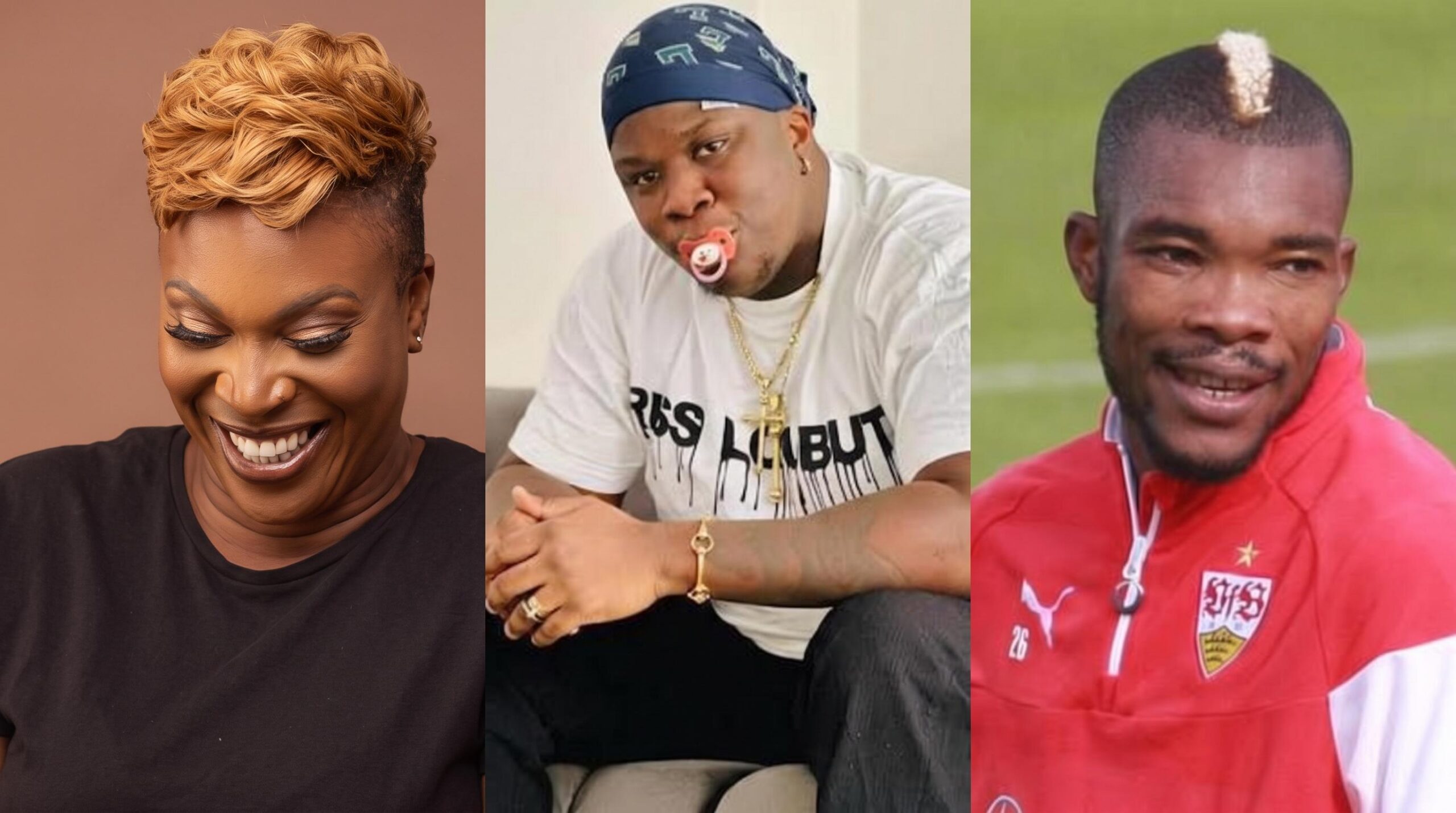
The real estate fraud investigation that has gripped Côte d’Ivoire has reached a decisive turning point. Rita Bénédicte Djédjé Grahon, widely known as “Maman Caï-Caï”, has been remanded in custody, marking a major shift in a case that has sent shockwaves through the country’s celebrity circles. The judicial inquiry, which centres on alleged irregularities in property transactions, has prompted around sixty complainants to come forward, with provisional losses estimated at over 320 million FCFA. Among those cited in the proceedings are influencer Apoutchou National and former Ivorian international footballer Serey Dié. While Rita Djédjé has been placed under a committal order, the other individuals implicated have been placed under judicial supervision. This development signals a significant escalation in a case that raises pressing questions about how funds were allegedly collected and the role of fame in promoting real estate ventures.
From social media stardom to judicial reckoning: the case of Rita Djédjé
The name Rita Bénédicte Djédjé Grahon is now inextricably linked to one of the most talked-about property scandals in recent Ivorian memory. Known to the public as “Maman Caï-Caï”, she built her reputation in a world where social media serves as a powerful engine for visibility, communication, and commercial promotion.
Her celebrity allowed her to move in entertainment circles and rub shoulders with well-known figures. In this digital sphere, connections with influencers, artists, and sports personalities can amplify a business venture’s reach and quickly attract a broad audience.
Yet behind this media presence, the questions raised by the investigation are of a different order. What was the exact structure of the real estate projects presented to subscribers? What commitments were made to buyers? And how were the funds collected actually used?
These are the questions the judicial inquiry must answer. At this stage, it is important to distinguish between information released by the prosecutor’s office and facts that remain to be established, without jumping to conclusions about the guilt of the main suspect.
Over 320 million FCFA and around sixty complainants
According to a statement from the national financial prosecutor at the Economic and Financial Criminal Division (PPEF), dated 7 October 2026, the case originated from several complaints filed with police services. Around sixty individuals reported facts implicating Rita Djédjé and the company Ivoire Challenge Corporation SARL.
Preliminary findings indicate that sums received are provisionally estimated at 320,701,500 FCFA. According to the prosecution, plots of land were allegedly offered to buyers even though the individuals behind the transactions did not own them.
The complaints were centralised by the Directorate of Economic and Financial Police, after the matter also sparked denunciations on social media, particularly Facebook and TikTok.
The scale of the sums involved and the number of people affected give the case a particularly sensitive dimension. For the complainants, the challenge is to understand how their money was collected, determine whether commitments were honoured, and, where applicable, identify avenues for redress.
The investigation will need to examine documents related to the transactions, ownership rights over the land in question, financial flows, and the respective responsibilities of those involved.
Apoutchou National: when digital influence enters the case
Among the personalities cited is Stéphane Agbré, better known as Apoutchou National. A prominent Ivorian influencer followed on social media, he is a key figure in the national digital landscape, where closeness to online audiences and connections with other celebrities help build fame.
His name appears in the judicial investigation opened by the financial prosecutor. According to the statement, some well-known figures allegedly used their fame to promote the real estate projects in question. Others reportedly presented these operations in WhatsApp groups and received money on behalf of the company under investigation.
These elements place the issue of commercial promotion at the heart of the debate. When a public figure recommends an investment, their audience can help reassure people who may lack the technical means to verify the regularity of the operation.
However, the mere presence of Apoutchou National’s name in the case is not enough, on its own, to establish the exact nature of his involvement or to demonstrate that he was aware of any irregularities. It is precisely for the courts to determine the acts attributable to each individual, their context, and any potential criminal classification.
Serey Dié also cited: football at the crossroads of the case
Former Ivorian international Geoffroy Serey Dié is also among those cited in the proceedings. A former star of the Elephants of Côte d’Ivoire, he enjoys a reputation earned in football and maintained by his presence in the media.
His citation in this case extends the fallout beyond the influencer sphere. It also illustrates the diversity of personalities who may be approached to lend visibility to commercial initiatives.
According to information published in the Ivorian press, Serey Dié appeared before the Economic and Financial Criminal Division as part of the procedure. He is among those placed under judicial supervision, unlike Rita Djédjé, who was remanded in custody.
Nevertheless, it remains essential not to confuse a personality’s fame, their presence in a communication campaign, and any possible participation in reprehensible acts. The investigation must establish the former footballer’s precise role, any commitments made, and what he knew.
What the justice system alleges against Rita Djédjé
The criminal charges mentioned by the prosecution are numerous. The judicial investigation covers alleged facts including criminal association, fraud involving cash through public solicitation of savings, breach of trust, forgery and use of forged documents in administrative papers, complicity in fraud, and money laundering.
The core of the case concerns the conditions under which funds were allegedly collected from people to whom plots of land were offered. Magistrates will need to determine whether the transactions were based on valid land rights, whether the documents presented were regular, and whether the sums received were used in line with the announced commitments.
The prosecution also indicates that some personalities allegedly participated in promoting the projects, while others contributed to collecting funds. The courts will have to establish whether these interventions amount to simple promotional activity or could constitute offences.
These charges remain, at this stage, accusations subject to judicial examination. They do not constitute a definitive declaration of guilt.
Committal order for the main suspect, judicial supervision for the others
The opening of the judicial investigation marks a significant step in the procedure. According to information published on 7 and 8 October 2026, Rita Djédjé was placed under a committal order, while the other individuals implicated were placed under judicial supervision.
These measures do not produce the same effects. A committal order results in the incarceration of the person concerned as part of the procedure. Judicial supervision, meanwhile, allows a person to be subject to specific obligations while the investigation continues.
The next stage of the case will involve comparing the statements of the complainants with those of the accused, examining the evidence submitted, and tracing financial movements.
Beyond the Rita Djédjé case, the matter raises a major question: how can citizens be protected from real estate investments promoted on social media without prior verification?
The popularity of an influencer, artist, or athlete cannot replace the legal checks essential to acquiring land. Verifying property titles, the seller’s identity, and the regularity of documents remains crucial before any payment.
For the complainants, the hope now is to see the contested transactions brought to light. For Rita Djédjé, Apoutchou National, Serey Dié, and the others cited, the procedure will need to establish individual responsibilities based on the evidence.
One certainty remains: in this case blending real estate, social media, and celebrities, the justice system is now called upon to distinguish established responsibilities from mere suspicions, in respect of the presumption of innocence.