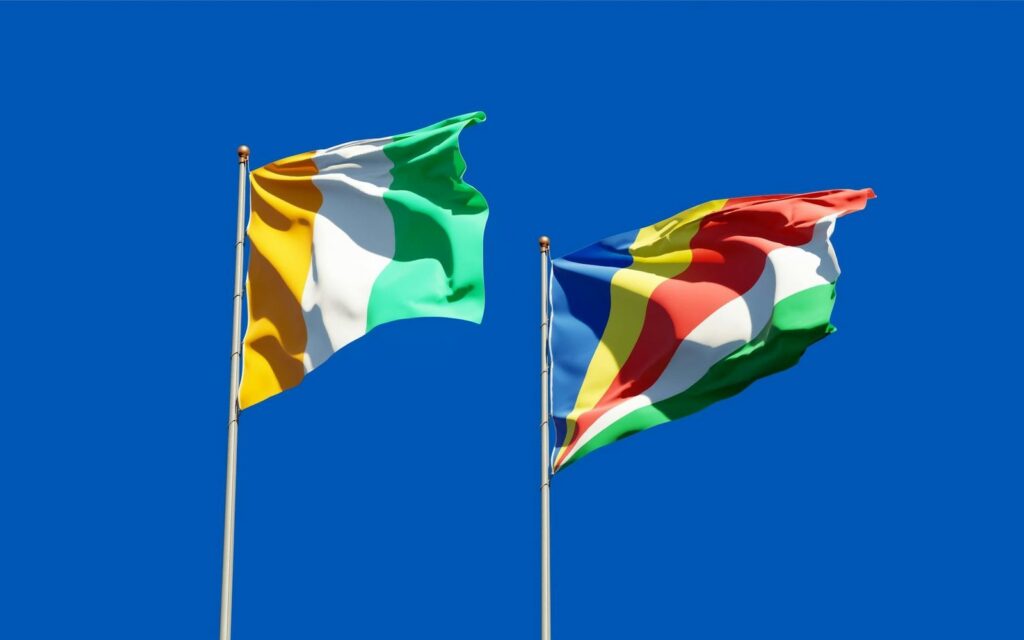
The presidential election in Côte d’Ivoire unfolded under heavy security and heightened vigilance, yet concluded without significant incidents according to early reports from Abidjan. Polling stations across the nation functioned smoothly, with voters casting ballots under a reinforced security framework. Authorities had preemptively addressed concerns about potential communal clashes or post-election unrest, and the day passed without the feared escalations.
High-stakes vote tests Ivory Coast’s political resilience
This election took place against a backdrop of deep scrutiny. As West Africa’s largest economy within the West African Economic and Monetary Union (WAEMU), Côte d’Ivoire remains haunted by the violent post-election crises of 2010–2011 and the unrest that marred the 2020 vote. Political factions, civil society groups, and international observers closely monitored the process, particularly in urban areas known for volatility. The campaign period saw sharp exchanges and isolated protests, deepening mistrust between ruling and opposition camps.
To mitigate risks, security forces were deployed nationwide, supported by domestic and foreign observers. Electoral authorities and political leaders issued repeated calls for restraint, emphasizing the need to prioritize national stability over partisan gains. These coordinated efforts appeared to prevent widespread disorder during and immediately after voting.
Turnout monitored, results awaited with caution
While the voting phase proceeded without major incident, the focus now shifts to vote counting and result certification. Historically, this stage has been a flashpoint for disputes and potential unrest. The Independent Electoral Commission (CEI) faces the critical task of ensuring transparent, credible outcomes—failure to do so could spark tensions exceeding those seen during the election itself.
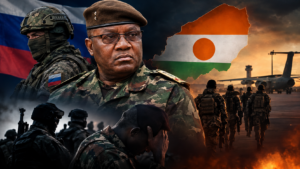
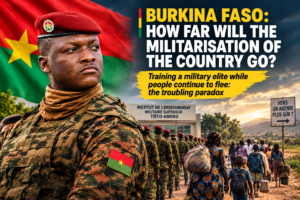
Western and African diplomatic missions, including those from the Economic Community of West African States (ECOWAS), are closely tracking developments. For Côte d’Ivoire, the stakes are regional. As a key economic anchor in a West African landscape destabilized by constitutional crises in the Sahel and shifting diplomatic alliances between Bamako, Ouagadougou, Niamey, and coastal neighbors, its electoral process carries symbolic weight.
West Africa watches: a democratic benchmark in the making
The outcome of this election will resonate far beyond Ivory Coast’s borders. In a subregion where several nations have experienced military takeovers in recent years, the conduct of a pluralistic vote without large-scale violence sends a powerful signal. International investors, whose confidence is vital for the country’s economic trajectory, are particularly attuned to the integrity of the process and the stability it may foster.
The real test, however, has only just begun. The announcement of results, their acceptance by defeated candidates, and the handling of legal challenges before the Constitutional Council will determine whether Côte d’Ivoire can reinforce its reputation as a democratic pillar. Recent precedents—from Senegal to Guinea-Bissau—highlight how swiftly post-election phases can spiral if institutions falter.
In the coming days, the country’s ability to navigate legal disputes with composure will reveal whether it can solidify its role as a stabilizing force in a West Africa grappling with political upheaval. The calm of Election Day remains a fragile achievement, one that must now be fortified by institutional credibility and public trust.