The heart of Kinshasa pulsed at a fraction of its usual rhythm on Wednesday afternoon, as the capital of the Democratic Republic of the Congo (DRC) emerged from a tense “dead city” protest orchestrated by opposition forces. The mobilization, spearheaded by the Coalition Article 64, aimed to derail President Félix Tshisekedi’s ambitious constitutional reform agenda. Yet, despite the opposition’s claims of widespread participation, the government stands firm, insisting the reform process will proceed unabated.
The opposition’s call to action saw many residents heed the warning, with schools shuttered, markets closed, and streets eerily devoid of the usual hustle. The palpable tension was underscored by a heavy security presence, as police and military units patrolled key areas to prevent unrest. Residents shared harrowing accounts of restricted movement and a climate of fear.
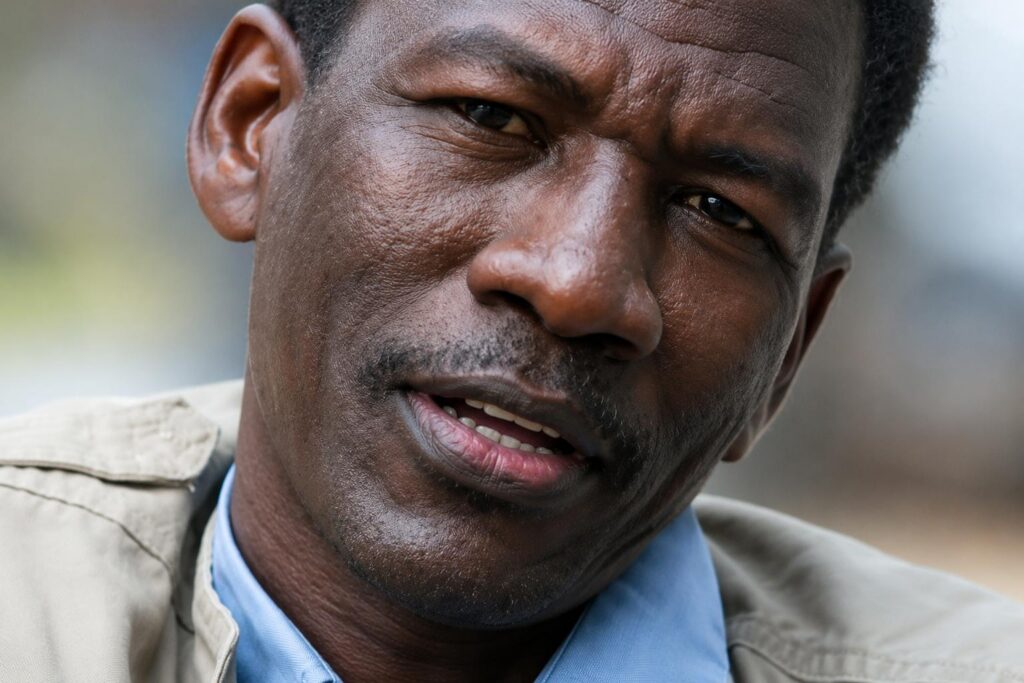
“The streets are empty. No children are heading to school, no taxis are running. The people refuse to accept this constitutional change. If we don’t resist, we’ll be forced to work under these conditions—no one wants that,” explained one local, who chose to remain anonymous for safety.
Another resident echoed the sentiment, describing a city under siege by security forces: “It’s suffocating here. Soldiers and police are blocking roads, dispersing crowds. You can’t even step outside. Shops are closed, and there’s no transport available. The situation is unbearable.”
Opposition claims victory in historic protest
The opposition camp wasted no time declaring the day a resounding success. Prince Epenge, spokesperson for the Lamuka coalition, asserted that nearly all residents complied with the protest call, framing the turnout as a clear rejection of President Tshisekedi’s leadership and his constitutional ambitions.
“The people of Kinshasa responded overwhelmingly—over 99% stayed home. By doing so, they sent a powerful message: they reject Tshisekedi’s authoritarian attempt to rewrite the Constitution for his own benefit. The message is clear, and he must heed it,” Epenge stated.
The coalition has vowed to escalate its resistance, signaling plans for further mass actions to pressure the government into abandoning the reform proposal.
Government dismisses protest impact, vows to push reforms
The presidential camp, however, remains undeterred. Leaders from the Union for Democracy and Social Progress (UDPS) dismissed the opposition’s claims, insisting that life in Kinshasa continued as normal. Christian Lumu Lukusa, vice-president of the UDPS Youth League, framed the protest as a failed attempt to incite violence and chaos.
“Despite desperate calls from opposition leaders to incite unrest, the people did not follow their orders. Kinshasa is fully operational—businesses are open, and the city is moving forward,” Lukusa asserted.
He went on to reaffirm the government’s commitment to the constitutional reform, arguing that the changes were essential for modernizing the country’s institutions and aligning with national priorities.
“The constitutional reform is not negotiable. It responds to a critical need for institutional modernization and reflects the will of the Congolese people,” Lukusa emphasized.
A referendum looms as a new flashpoint
The government’s determination to advance the reform has set the stage for a high-stakes referendum, following the National Assembly’s adoption of the referendum bill on May 27. This move has drawn fierce criticism from the opposition, which argues that the initiative violates the current constitutional framework.
The deepening rift between the government and opposition suggests that political tensions will escalate in the coming weeks, with further confrontations likely as both sides dig in their heels. The stage is set for a protracted struggle over the future of the DRC’s governance.