Libreville’s urban renewal: balancing order and inclusivity
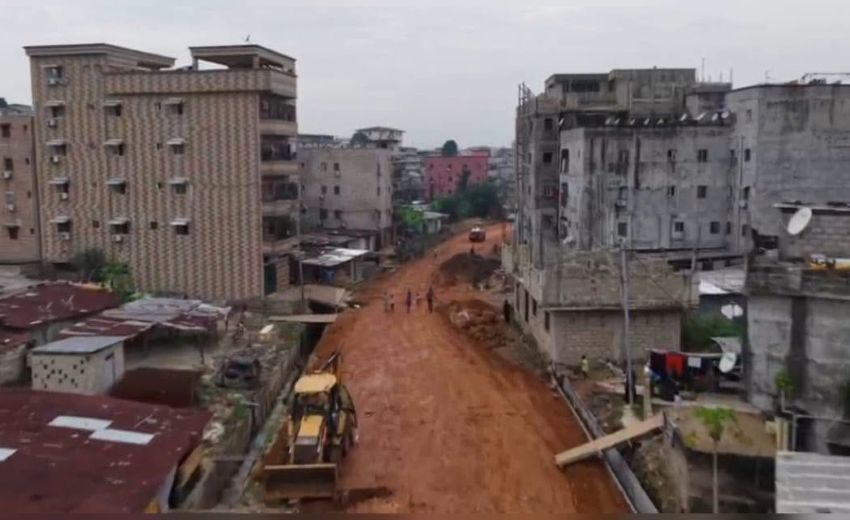
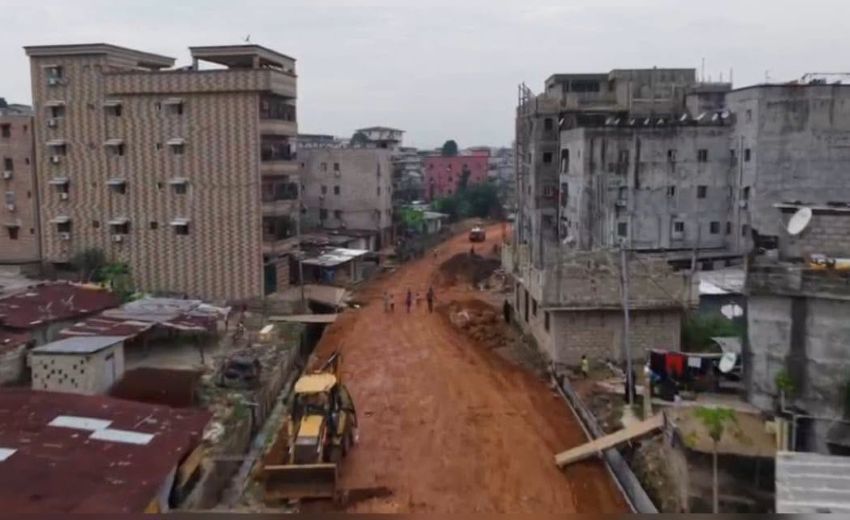
The mayor of Libreville, Eugène M’ba, has set a July 10 deadline for the city to reclaim its public spaces. As the countdown nears its end, the capital braces for a sweeping operation targeting illegal constructions, unauthorized markets, and encroachments on roads and sidewalks.
The municipality’s stated goal is unmistakable: restore order, enhance hygiene, and redefine Libreville as a modern, clean, and inviting metropolis. Over the years, unchecked urban sprawl has transformed once-clear thoroughfares into makeshift commercial zones, clogging traffic and compromising public health. Few dispute the necessity of these measures to revive the city’s functionality and appeal.
For many residents, the intervention is long overdue. A capital city cannot thrive amid chaos—its mobility, sanitation, and economic prospects suffer when public infrastructure is hijacked by informal activities. The mayor’s campaign reflects a long-awaited response to these governance challenges.
Yet, as the deadline looms, a counterpoint emerges in public discourse. Not one of opposition, but of caution: while enforcing regulations is critical, a modern municipality must also address the root causes of urban disorder.
Beyond demolition and evictions
A thriving city is measured not just by its ability to enforce laws, but by its capacity to foster dialogue, anticipate social shifts, and deliver sustainable solutions. The critique isn’t against the campaign itself, but an appeal to strengthen its impact.
Behind every unauthorized stall or makeshift garage lies a web of economic realities: youth unemployment, low household incomes, exorbitant commercial rents, and a burgeoning informal economy. Without viable alternatives, today’s evictions may simply relocate the problem tomorrow, reshaping the issue in new neighborhoods.
History shows that demolition alone rarely resolves urban decay. Successful cities—from Lagos to Kigali—have learned that lasting transformation requires relocating displaced actors, creating designated markets, and formalizing informal businesses. Libreville stands at a crossroads where short-term order must not overshadow long-term inclusion.
Addressing the source, not just the symptom
The conversation now transcends mere urban cleanliness. It questions the kind of city Libreville aspires to become in the coming decades. Will it prioritize rigid enforcement over social equity? Or will it pioneer a model where progress and compassion coexist?
Key steps include developing affordable commercial spaces, designating zones for artisans, and fostering partnerships between municipal authorities and local entrepreneurs. As urban planner Raphaël Mouissi-Ntoko aptly puts it, treating the fever without curing the illness achieves little. The most resilient cities combine firm regulation with compassionate support.
A historic opportunity for urban renewal
Libreville’s current campaign could mark a turning point—not just in reclaiming public spaces, but in redefining its relationship with citizens. The municipality now has a rare chance to prove that order and inclusion are not mutually exclusive. It can enforce rules while creating opportunities, restore dignity without severing dialogue, and uphold the law without ignoring human needs.
The stakes are immense. How Libreville navigates this moment will set the tone for its evolution as a 21st-century African capital. Will it choose quick fixes or lasting transformation? The urgency of action is clear, but so is the imperative of sustainability.
Related posts
Diomaye’s allies defy parliament: what’s driving the escalating political standoff in Senegal
The refusal of senior presidential advisor Demba Dieng to appear before Senegal’s parliamentary inquiry commission has...
Senegal’s constitutional council vs Pastef: escalating political showdown and public outrage
Pastef Ousmane Sonko Bassirou Diomaye Faye The Senegalese Constitutional Council’s repeated rulings against the Pastef party...
The decisive shift in Congo: Joseph Kabila takes charge of the FRN rebellion
Le grand invité Afrique RDC: «prendre la tête de la rébellion permet à Joseph Kabila de...