Mali bids farewell to General Sadio Camara with state funeral
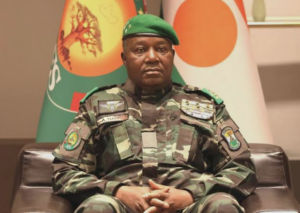
Mali recently held a state funeral to honour General Sadio Camara, the country’s former Defence Minister, whose life was tragically cut short during a devastating militant attack in Kati. The ceremony, broadcast nationwide and attended by junta leader Assimi Goïta alongside top military officials, underscored the gravity of his loss and its potential impact on Mali’s political and security landscape.
The coffin, draped in Mali’s national colours, was paraded in a solemn procession marked by military honours. Large portraits of Camara were prominently displayed, reinforcing the historical significance of his contributions to the Malian armed forces and his pivotal role in reshaping the country’s security alliances.
Why General Camara’s death matters for Mali and the Sahel
General Sadio Camara was not just a military leader—he was a key architect of Mali’s pivot toward Russia, a move that redefined the country’s security strategy and regional influence.
His death, following a coordinated assault by jihadist militants in Kati, has sent shockwaves through Bamako’s political and military circles. Analysts suggest that his loss could trigger several critical shifts:
- Internal fractures within the junta: The absence of a figure as influential as Camara may weaken the cohesion of Mali’s military leadership.
- Reassessment of security partnerships: His death raises questions about Mali’s continued reliance on Russian military support.
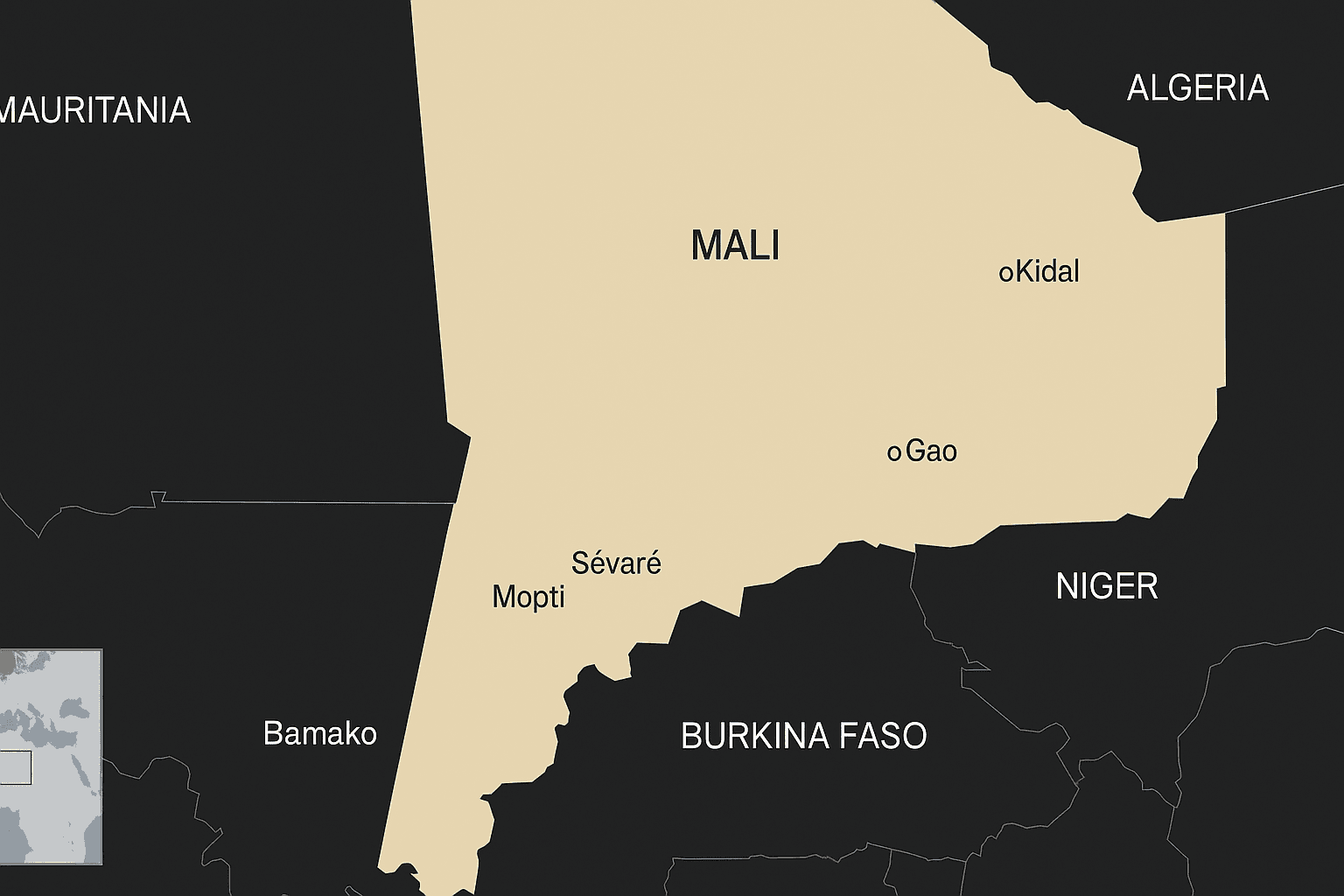
- Regional security implications: Camara’s policies influenced security dynamics across the Sahel, particularly in conflict zones like Gao, Mopti, Sévaré, and Kidal.
The attack that killed Camara—part of a broader offensive by Jama’at Nasr al-Islam wal-Muslimin and allied Tuareg factions—has also reignited concerns over separatist movements in northern Mali, particularly in the Azawad region. The resurgence of armed groups in these areas highlights the persistent challenges Mali faces in maintaining stability.
From Kati to the corridors of power: Camara’s rise
Born in 1979 in Kati, a town synonymous with military power in Mali, Camara’s career was deeply intertwined with the country’s political and security evolution. His rise from a field officer in the late 2000s to a central figure in Mali’s military leadership reflects both his strategic acumen and the shifting allegiances of the Malian armed forces.
After completing military training, including stints in Russia, Camara became a key advocate for strengthening ties with Moscow—a decision that later defined Mali’s security doctrine. His prominence grew in August 2020 when he appeared on national television as one of the officers behind the coup that ousted President Ibrahim Boubacar Keita. The coup leaders, including Camara, cited the government’s failure to curb militant violence as justification for their action.
Under the junta led by Assimi Goïta, Camara served as Defence Minister, overseeing Mali’s pivot away from traditional Western allies like France and toward Russia. This realignment not only altered Mali’s geopolitical stance but also influenced broader security debates across the Sahel.
Legacy and unanswered questions
Camara’s death comes at a critical juncture for Mali. The country faces mounting pressure from multiple fronts: escalating insurgencies, internal military divisions, and growing scrutiny over its security strategy. While the state funeral projected an image of continuity, the underlying reality is far more complex.
In the words of many analysts, symbolism alone cannot secure a nation. The loss of Camara may force Mali to confront difficult questions about its future alliances, the effectiveness of its security partnerships, and the path forward in a region plagued by instability.
As Bamako grapples with these challenges, the legacy of General Sadio Camara will loom large—not just as a military leader, but as a symbol of the choices and consequences that shape Mali’s destiny.