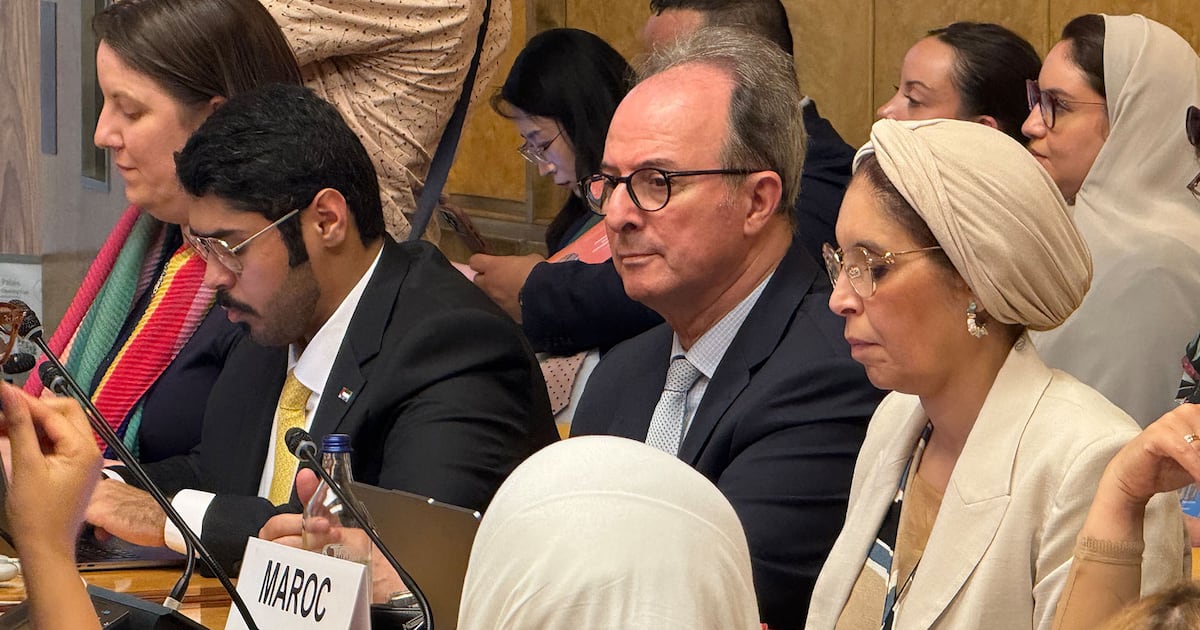
During a high-level meeting in Geneva themed «Pékin after 30 years: mobilizing the UN human rights system to advance gender equality and women’s rights», Morocco presented its vision for strengthening global human rights governance. The session served as a platform for the country to share its achievements and strategic proposals on international human rights mechanisms.
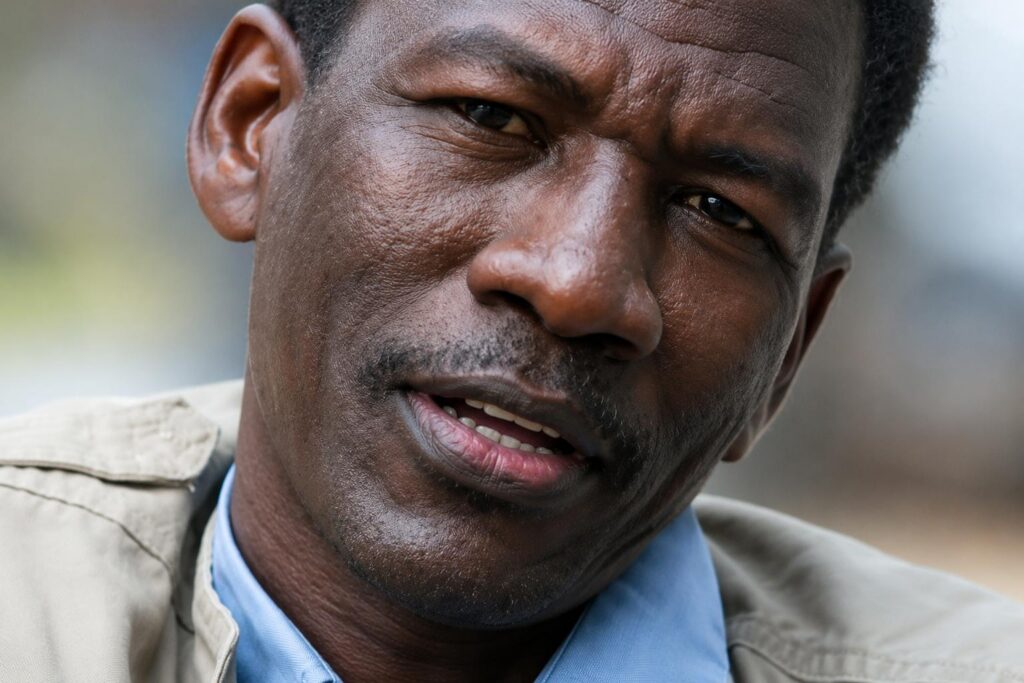
In a keynote address, El Habib Belkouch, a senior official, underscored the strategic value of Morocco’s active participation in the UN Human Rights Council. He emphasized how such engagements provide critical insights into evolving national and global human rights landscapes. A highlight of his intervention was the Rabat international symposium, marking two decades of the Universal Periodic Review (UPR), widely recognized as a pioneering global initiative.

The Rabat event yielded actionable recommendations to enhance the effectiveness of the UPR, one of the UN’s most robust accountability tools. «This wasn’t an isolated effort but part of a broader strategy to streamline and reinforce international human rights mechanisms,» Belkouch noted. He further outlined plans for an upcoming international forum to assess various components of the UN human rights system, including special procedures, rapporteurs, and thematic mechanisms. The goal is to foster greater institutional coherence amid concerns over overlapping mandates, particularly in areas like child rights.
Addressing the current global context, Belkouch described it as a «period of crisis», yet one that could serve as a catalyst for transformative reforms. «Overcoming these challenges requires a forward-looking approach, safeguarding existing rights, and reinforcing the centrality of human rights amid growing skepticism in multiple regions,» he asserted.
Morocco’s national mechanisms gain international recognition
Belkouch also highlighted Morocco’s innovative national follow-up mechanisms for implementing international human rights recommendations. Praised as a model for developing countries, this approach has drawn interest from nations such as South Korea, the Netherlands, and the United Arab Emirates, which have sought to adapt similar frameworks. «These mechanisms bridge the gap between policy formulation and real-world implementation,» he explained. «This is where the tangible realization of human rights truly happens.»
The official reiterated that this topic was a cornerstone of last year’s Glion Forum, where Morocco played a key role. By championing these discussions, the country reaffirmed its commitment to shaping the future of global human rights governance while showcasing its own progress and advocating for a more efficient and unified system.