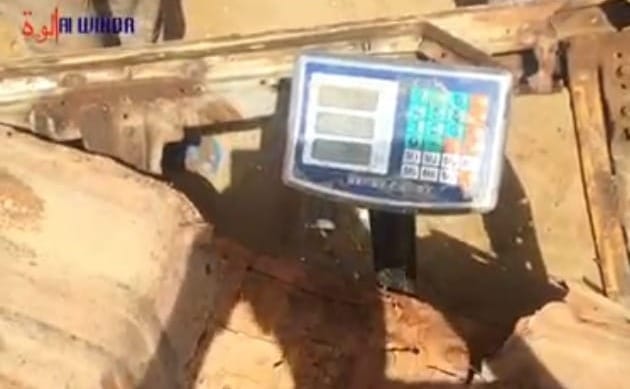
Across numerous districts and thoroughfares within N’Djamena, a familiar sight has emerged: itinerant vendors navigating the streets with pushcarts laden with scrap metal, their calls of « Hadid kilo! Hadid kilo! » echoing through the air. This trade in salvaged iron, colloquially known as « Hadid kilo », is experiencing rapid expansion throughout the capital city.
According to various residents, this activity has transformed into a genuinely lucrative enterprise that, regrettably, draws in children. Some of these merchants, frequently originating from neighboring countries such as Niger and Nigeria, are reportedly conducting their business without proper administrative documentation or residency permits. Their apparent objective is to accumulate wealth quickly before returning to their home nations.
Concerning incidents have been reported across several neighborhoods in the city. In the Ngabo district, a ten-year-old child was said to have sold their mother’s gas bottle to a « Hadid kilo » merchant for a mere 600 FCFA. Similarly, in Ndjari, another child, approximately eight years old, reportedly sold their younger brother’s bicycle for just 250 FCFA. Furthermore, in the Zafaye quarter, a child allegedly sold a component from their father’s vehicle engine for 1,000 FCFA.
For many parents, this trade is widely believed to foster a culture of petty theft among children, cultivating hazardous tendencies. Numerous citizens contend that this practice encourages minors to pilfer household items, which they then quickly resell for meager sums of money.
In response to this escalating situation, residents are imploring swift intervention from authorities. They specifically advocate for the prohibition of purchasing scrap metal from minors, enhanced oversight of itinerant traders operating in neighborhoods and markets, and the implementation of stringent measures to safeguard children against these detrimental practices.
According to several observers, experts emphasize the urgent necessity for governmental and local leadership to enact decisive policies. Such actions are crucial to preserve children’s education and combat behaviors that could lead to delinquency, thus preventing an uncertain future for the youth of Chad.