From crisis to decisive action: Niger’s oil sector at a crossroads
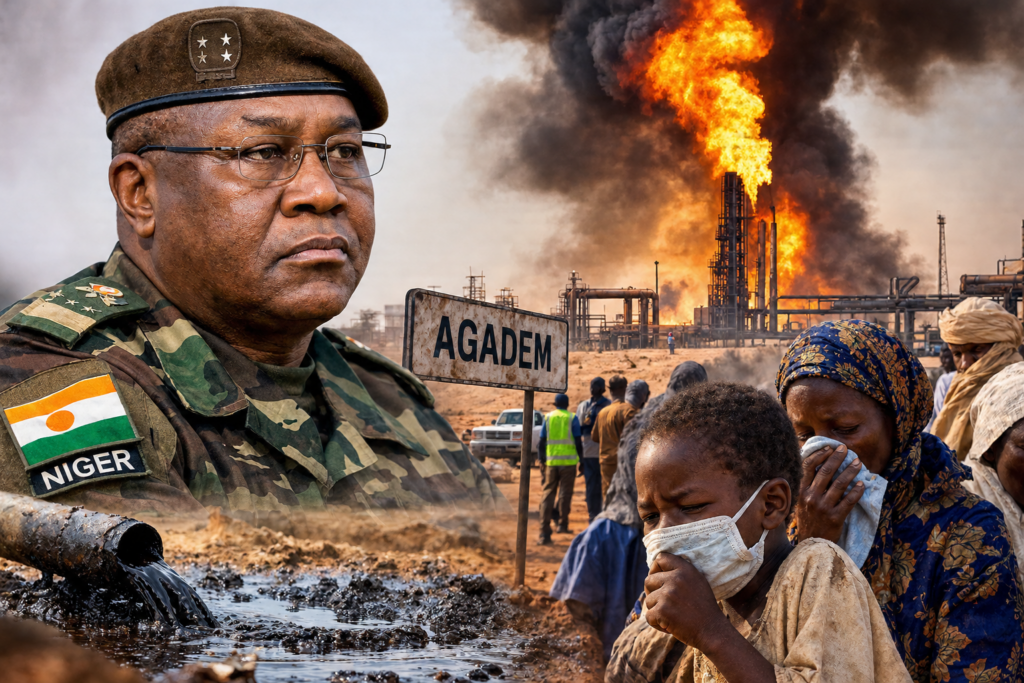
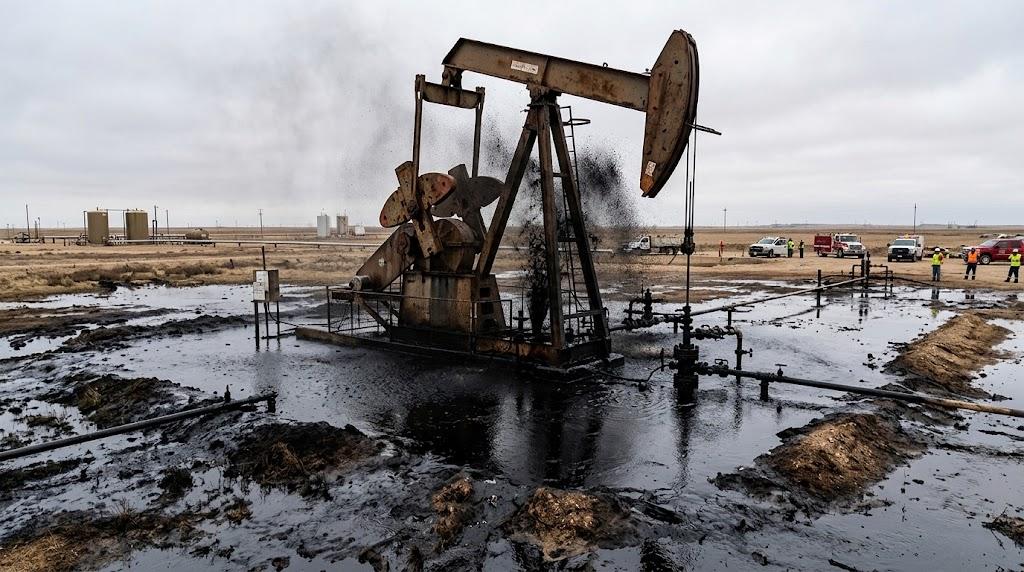
After weeks of denial, Niger has finally acknowledged the severity of the blowout at the Goumeri W-8 well, marking a critical turning point in its energy sovereignty. The uncontrolled spill, spewing crude oil and gas over ten meters high since September 25th, has exposed both technical vulnerabilities and geopolitical dependencies in Niger’s oil sector. With two neighboring wells compromised and two workers hospitalized, the incident demands urgent intervention—and a shift in national strategy.
Government silence gives way to international collaboration
The belated admission—17 days after the eruption—highlights a troubling gap between policy and practice. While Niger’s government insists on greater control over its natural resources, the lack of immediate technical response revealed a harsh reality: local expertise remains insufficient to contain a disaster of this magnitude. Environmental groups had warned of soil and groundwater contamination risks, yet the absence of transparent data on spill volumes and damage extent has only intensified public scrutiny.
Emergency measures fall short without specialized skills
Initial containment efforts, including hastily constructed barriers and retention ponds, proved inadequate against the relentless flow. The crisis underscores a paradox in Niger’s energy ambitions: while demanding 80% local employment within CNPC operations, the nation lacks the skilled engineers capable of managing a damaged wellhead. This technical deficit has forced Niamey to seek external support, signaling a potential realignment in regional energy partnerships.
Algeria steps in as Niger’s strategic partner
In a pivotal move, Niger has turned to Algeria’s Sonatrach—a decision rooted in decades of proven crisis management across the Sahara’s oil fields. This request follows a broader diplomatic and energy rapprochement between the two nations, including joint ventures at the Kafra permit and collaboration in marketing Agadem crude. While Algerian engineers are conducting technical audits and assessing operator responsibilities, no timeline has been set for a permanent solution to the leak.
What’s next for Niger’s oil future?
The Goumeri W-8 disaster serves as a wake-up call for Niger’s energy sector. As the crisis exposes gaps in local capacity, it also accelerates the need for sustainable solutions—whether through foreign expertise, stricter oversight, or a reevaluation of resource management policies. One thing is clear: Niger’s path forward will demand more than rhetoric; it will require decisive action to reclaim control over its own resources.