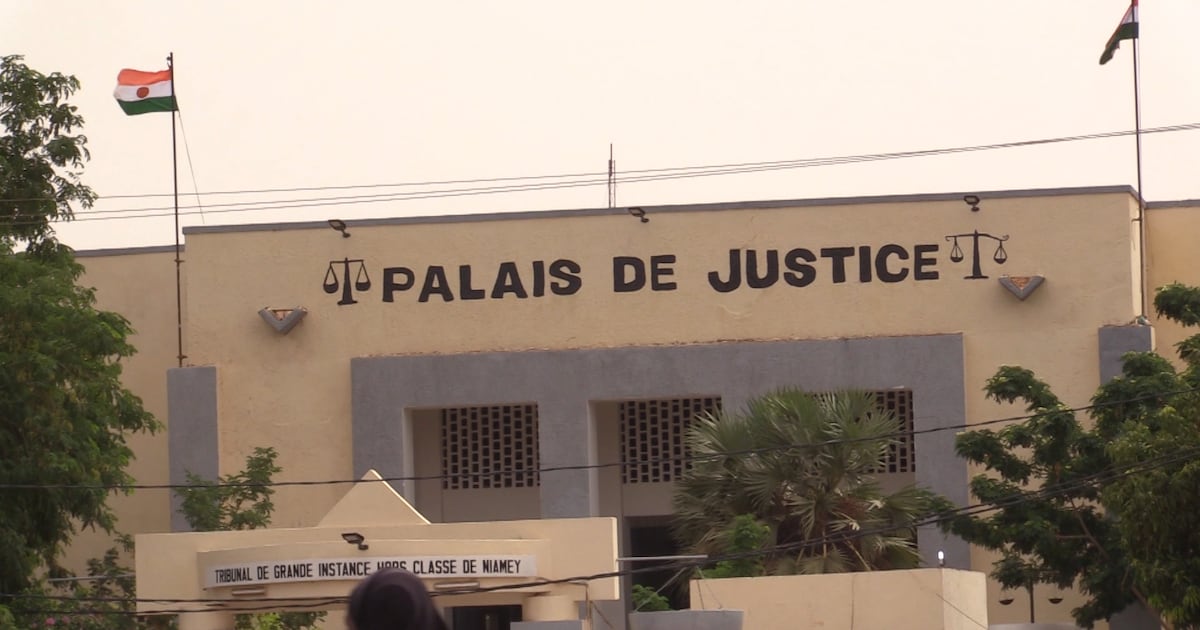
Niger has introduced a stringent new measure within its updated penal code: the death penalty is now the prescribed punishment for individuals found guilty of embezzling public funds totaling one billion CFA francs or more. This significant legal shift aims to tackle grand corruption head-on.
“We have witnessed instances in Niger where individuals diverted billions, yet received sentences as light as six months in prison, sometimes even suspended, while our citizens continued to endure hardship,” explained Adamou Oumarou, a political and legal analyst. “This resolute new decision will compel people to seriously reconsider their actions before engaging in such offenses.”
While many citizens view the severity of this sanction as a fitting response to the immense damage inflicted upon the nation, others underscore the critical importance of its rigorous and consistent application across the board.
“I believe that with this initiative, our public money will finally be directed towards financing crucial development projects that benefit all Nigeriens, rather than ending up in personal bank accounts,” stated Mahamadou Adamou, a Nigerien citizen. “This measure is truly commendable and beneficial for the African economy today.”
Mamoudou Niandou, another Nigerien citizen, echoed this sentiment, adding, “This is a courageous decision that will undoubtedly curtail the rampant squandering of public assets. We earnestly appeal to the competent authorities to ensure the scrupulous enforcement of every provision within this reform, reflecting a new chapter in West Africa news and African politics.”
Balancing the imperative for justice, the fight against impunity, and the crucial preservation of public resources, this far-reaching reform marks a pivotal new chapter in Niger’s ongoing battle against economic and financial crimes.