The whereabouts of Lieutenant-Colonel Pascal Tigri, the alleged mastermind behind the foiled coup attempt in Bénin on 7 December 2025, remain shrouded in mystery. Yet beneath the veneer of Niamey’s official denials, hard evidence is exposing a deliberate cover-up by Niger’s military leadership.
Border manipulations and state-level deception
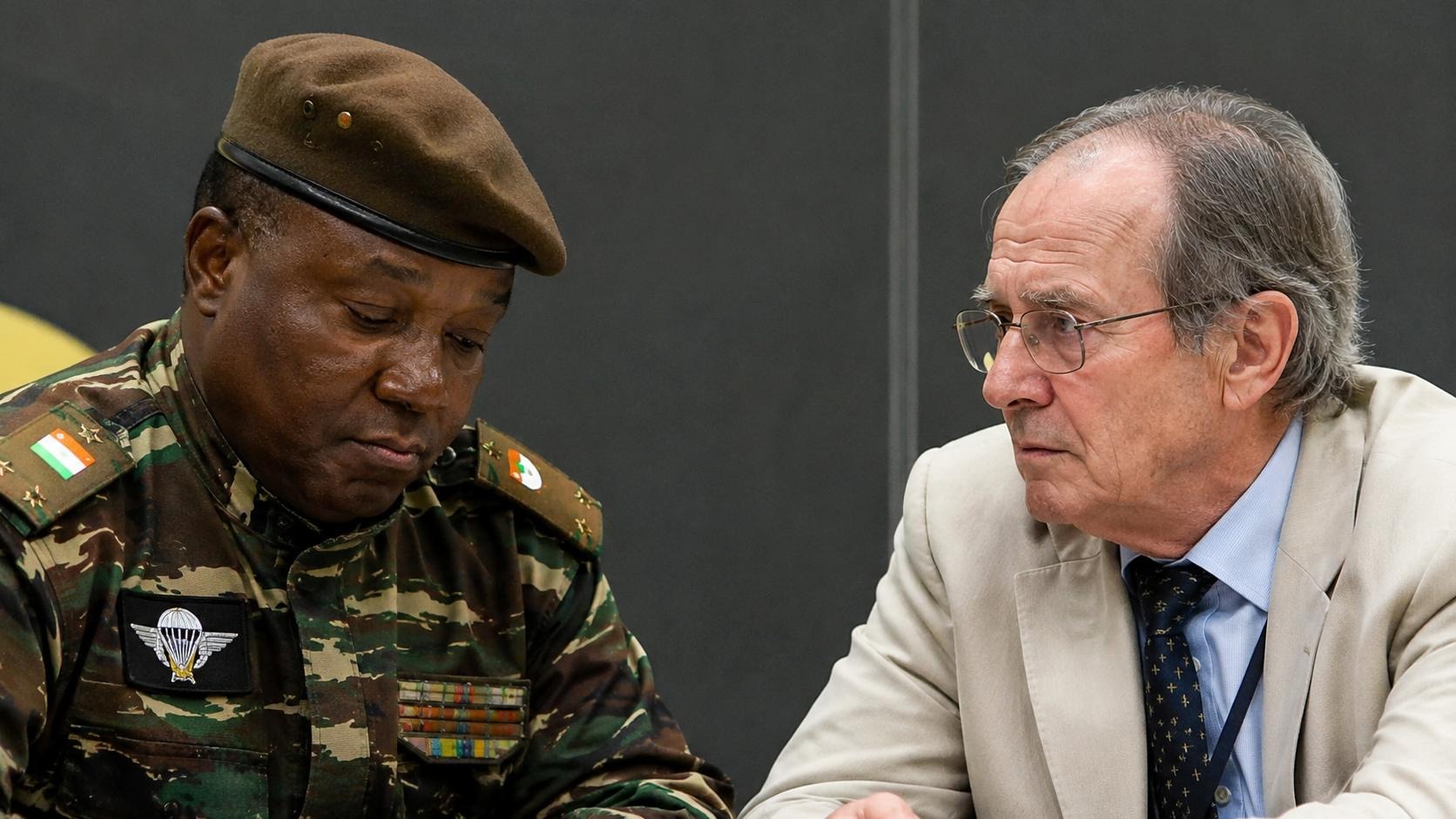
For weeks, the Nigerien junta led by General Abdourahamane Tiani has insisted that its territory played no role in Tigri’s disappearance. However, independent analysis—including insights from French economist and former Nigerien advisor Olivier Vallée—paints a starkly different picture. According to Vallée, Tigri was not only present on Nigerien soil in the days following the failed coup, but he used the country as a transit hub to evade capture.
The timing of Niamey’s border policy changes only deepens the suspicion. On the eve of the coup attempt in Cotonou, Niger’s authorities dramatically eased cross-border movement, only to abruptly seal the frontier the following day, once the operation’s failure became clear. This synchronized manipulation of border controls—first opening, then locking down—suggests coordinated support rather than coincidence.
While Vallée acknowledges the absence of formal military backing from Niamey’s central administration, the convergence of these border maneuvers with Tigri’s apparent shelter in Niger points to a calculated local tolerance, if not active protection. « Tigri did not stay in Niger long, » Vallée emphasized. « He likely fled to another country within the Alliance of Sahel States (AES) once his initial refuge was compromised. »
Diplomatic facades crumble under scrutiny
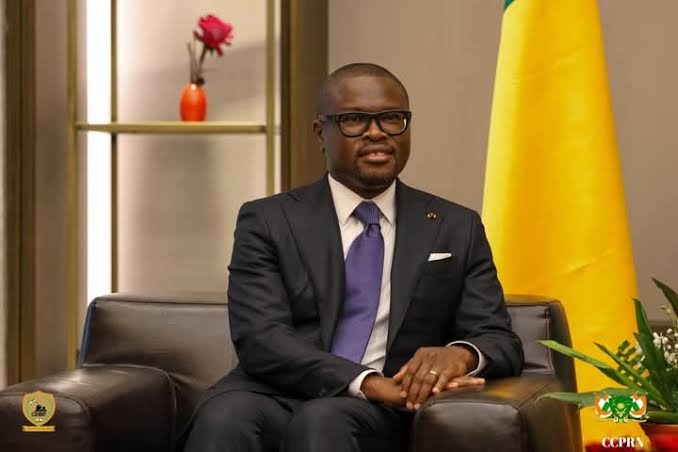
These revelations have cast a harsh light on Niger’s recent diplomatic overtures, particularly its staged display of reconciliation. On 24 May, Prime Minister Ali Lamine Zeine attended the inauguration of Bénin’s new president, Romuald Wadagni, in a carefully orchestrated gesture meant to signal a fresh start in bilateral relations.
Yet goodwill gestures cannot erase the facts. With Bénin’s police offering a 20 million CFA franc reward for Tigri’s capture, Niamey now finds itself trapped in its own web of contradictions. The suspicious border shifts, followed by the fugitive’s apparent passage through Niger, have exposed a regime caught between maintaining plausible deniability and the undeniable truth of its complicity.
The diplomatic charade is unraveling, and the credibility of Niger’s leadership hangs in the balance.